Alkalinity
- Total Alkalinity
- TA
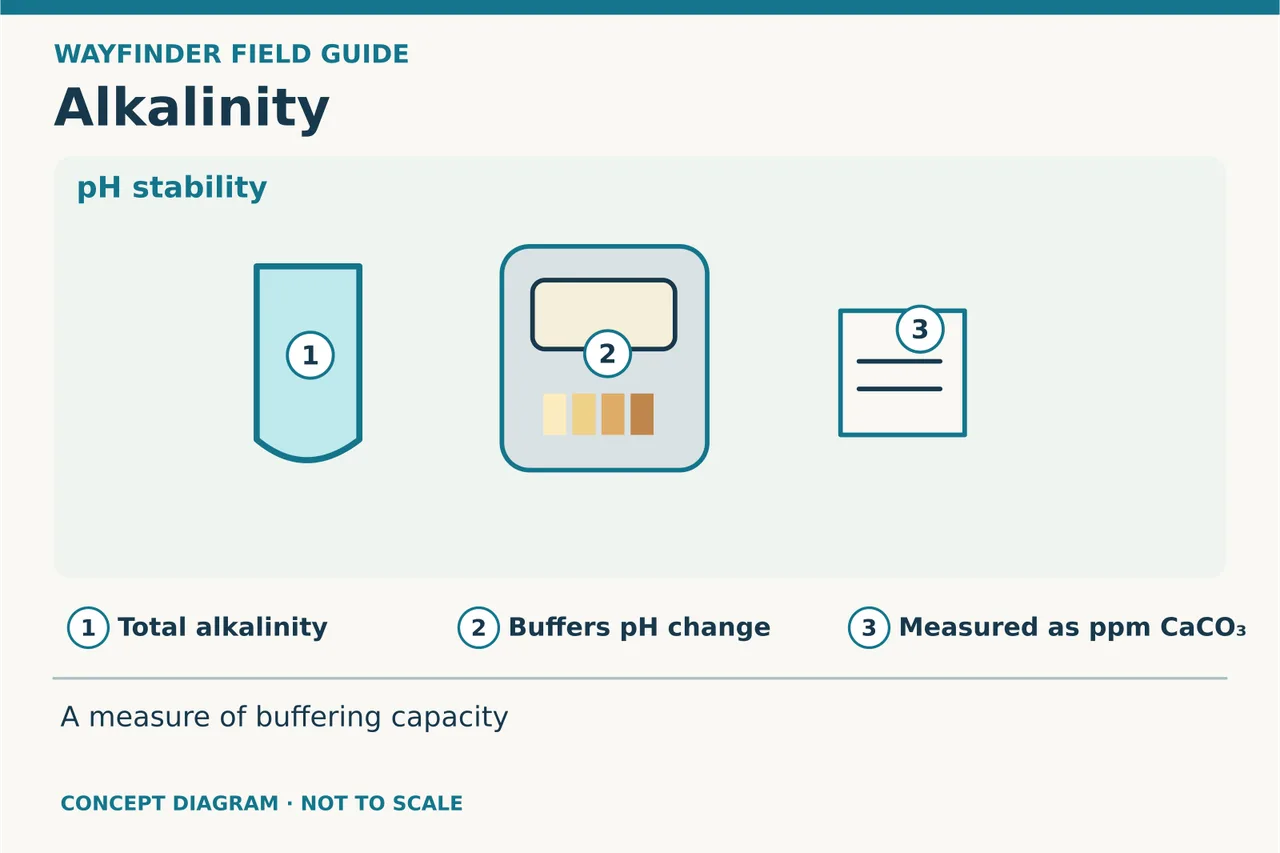
A measure of the water’s ability to resist changes in pH.
Why It Matters
Proper alkalinity helps keep pH more stable and supports comfortable water, equipment protection, and long-term finish care.
Your project journey
Exploring
Wayfinder™
Your journey to a better backyard.
Staff view: draft layout for review. Sections marked Soon show what each one will hold.
The Field Guide · Wayfinder
A simple guide to the words and features you’ll encounter during the pool planning process.
A measure of the water’s ability to resist changes in pH.
Why It Matters
Proper alkalinity helps keep pH more stable and supports comfortable water, equipment protection, and long-term finish care.
Costs & Contracts
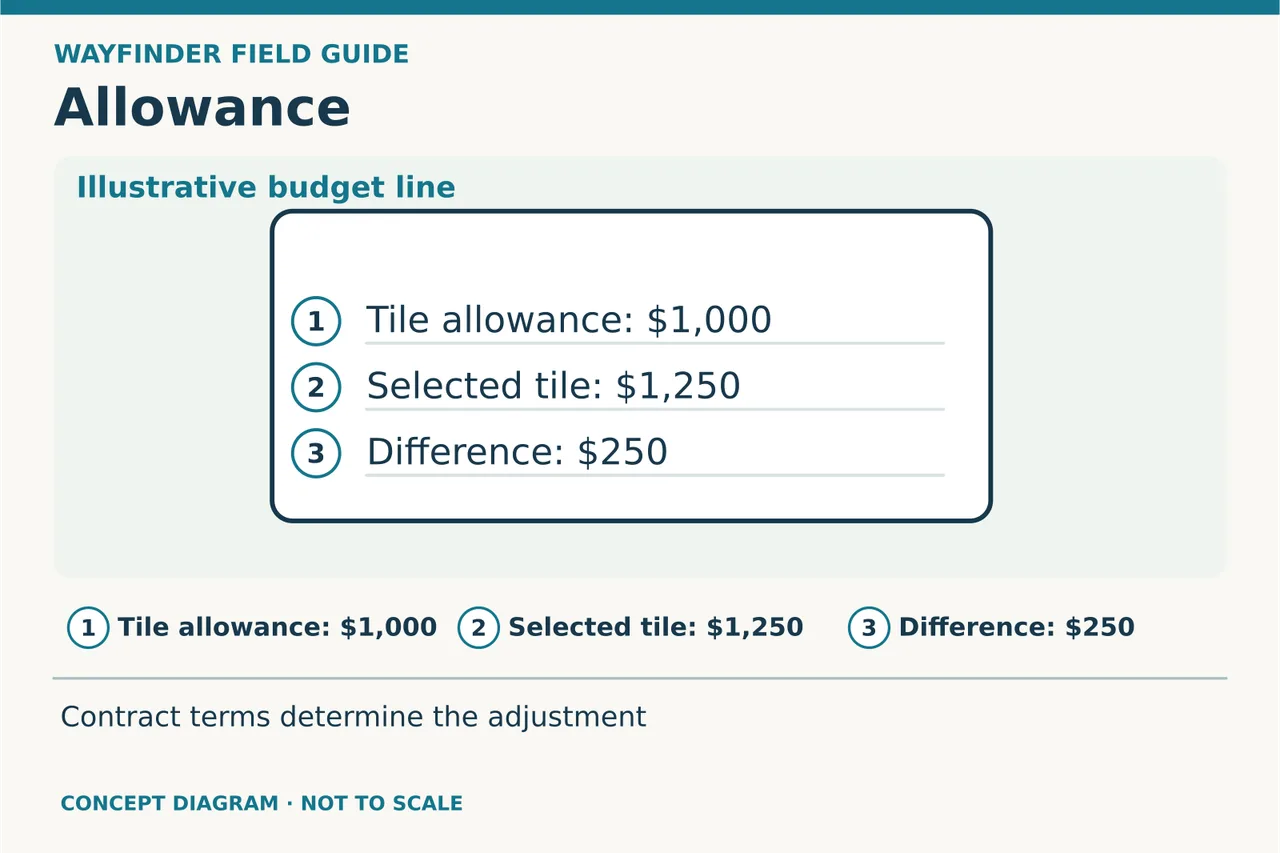
A budgeted amount included in a proposal for an item that has not been finally selected.
Why It Matters
If your final selection costs more than the allowance, the project price may increase.
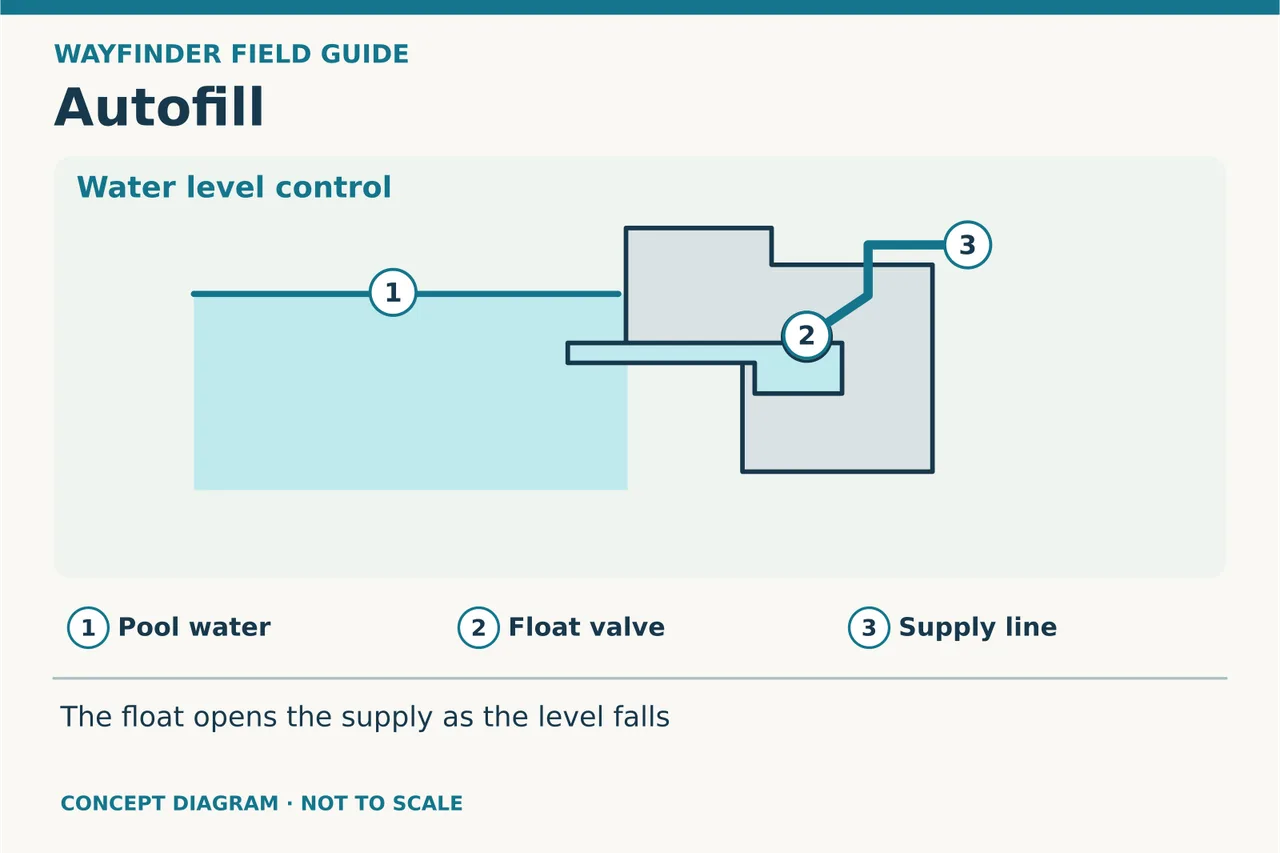
A device that automatically adds water when the pool level drops.
Why It Matters
It reduces the need to refill the pool manually during hot weather or heavy use.
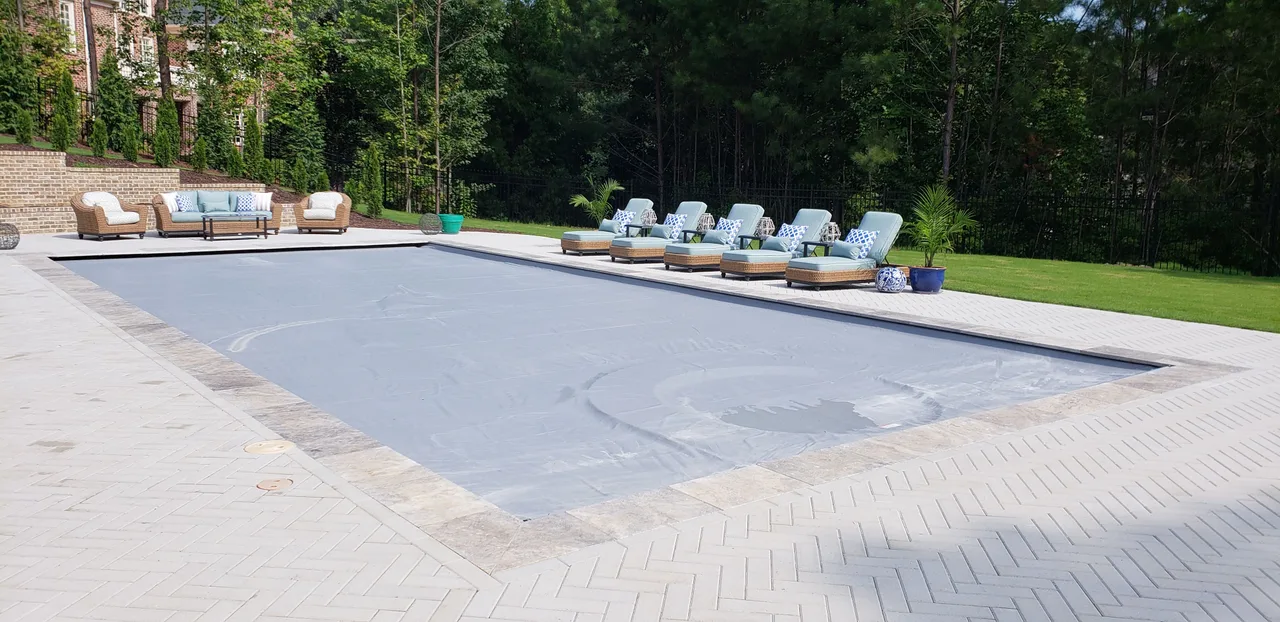
A motorized cover that opens and closes over the pool.
Why It Matters
It can improve safety and reduce evaporation, but it affects pool shape, coping, deck details, and cost.
Equipment & Systems
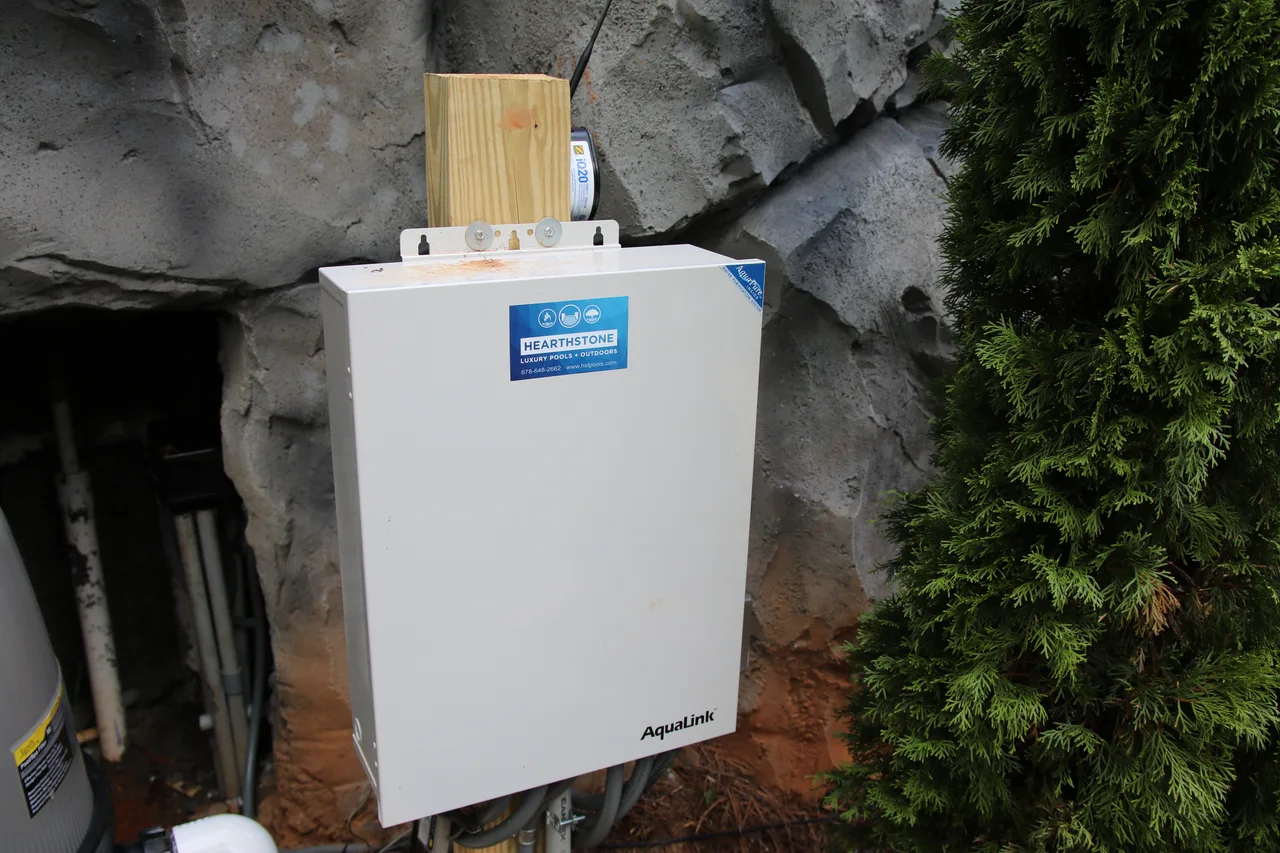
A control system for pumps, lights, heaters, water features, and other pool equipment.
Why It Matters
The level of automation affects convenience, app control, and equipment compatibility.
Care & Maintenance
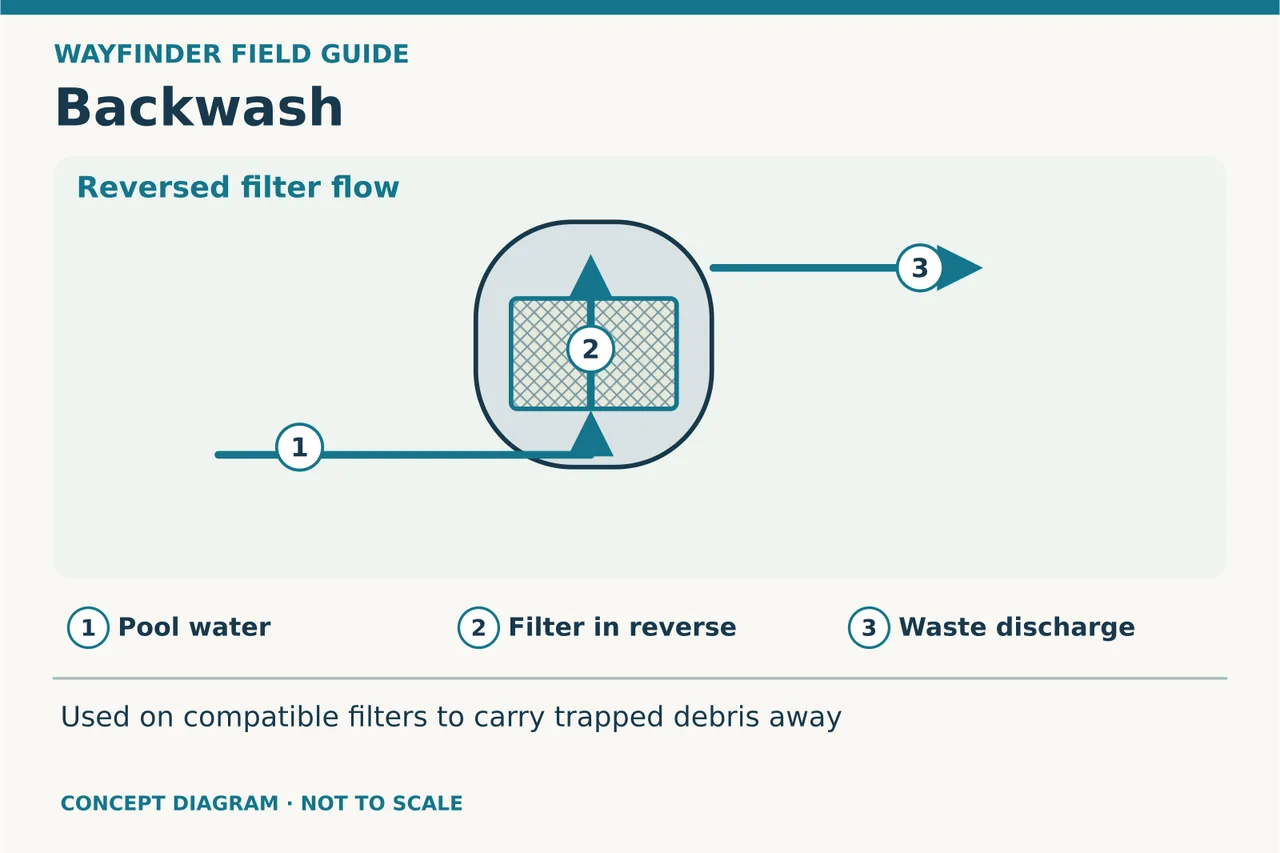
The process of reversing water flow through certain filters to flush out trapped debris.
Why It Matters
Sand and DE filters may be backwashed; cartridge filters are cleaned differently.
Design & Features
A gradually sloping entrance that transitions from the deck or waterline into the pool, similar to walking into a beach.
Why It Matters
It offers a different way to enter and lounge in shallow water, but uses more pool area than conventional steps. Surface texture, slope and accessibility must be considered; a beach entry is not automatically an accessible entry.
Design & Features
A built-in underwater sitting ledge along a pool wall or in a spa area.
Why It Matters
Bench location affects swimming space, depth transitions, and how the pool is used.
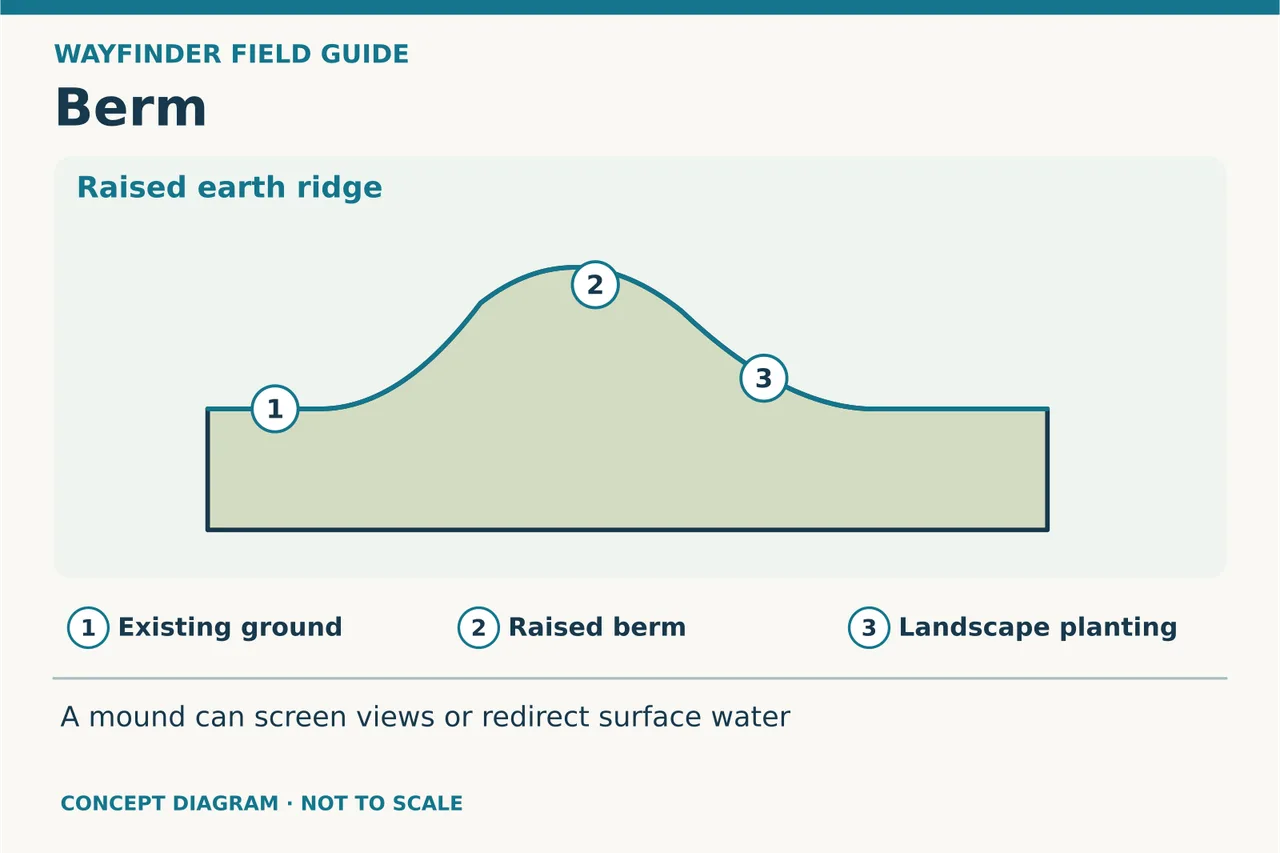
A raised mound or ridge of soil used to shape the landscape, screen views, or help redirect surface water.
Why It Matters
A berm can affect grading, drainage, landscaping, sight lines, and how the pool area connects to the rest of the yard.
Construction & Materials
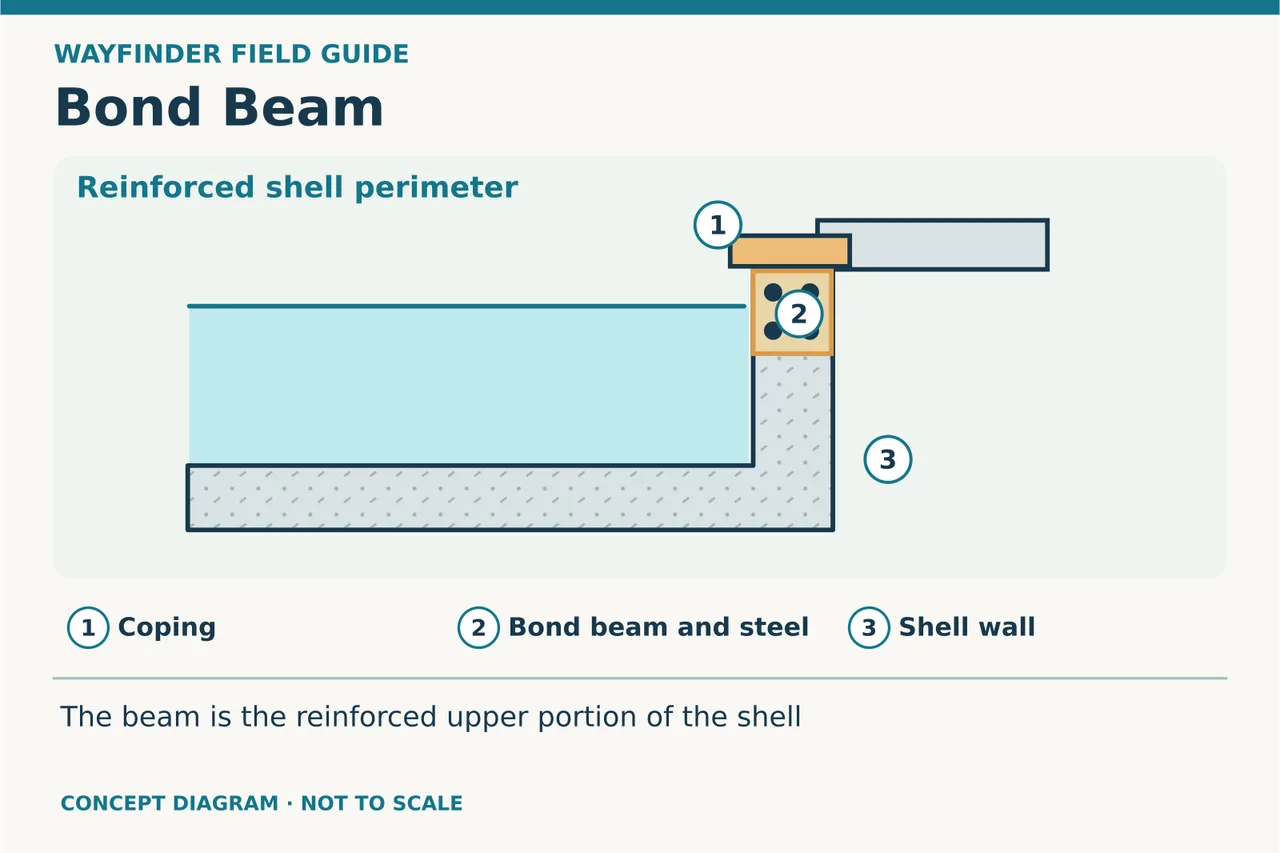
The reinforced upper portion of a concrete pool shell near the top of the walls.
Why It Matters
It is a major structural element and supports coping, raised walls, and some water features.
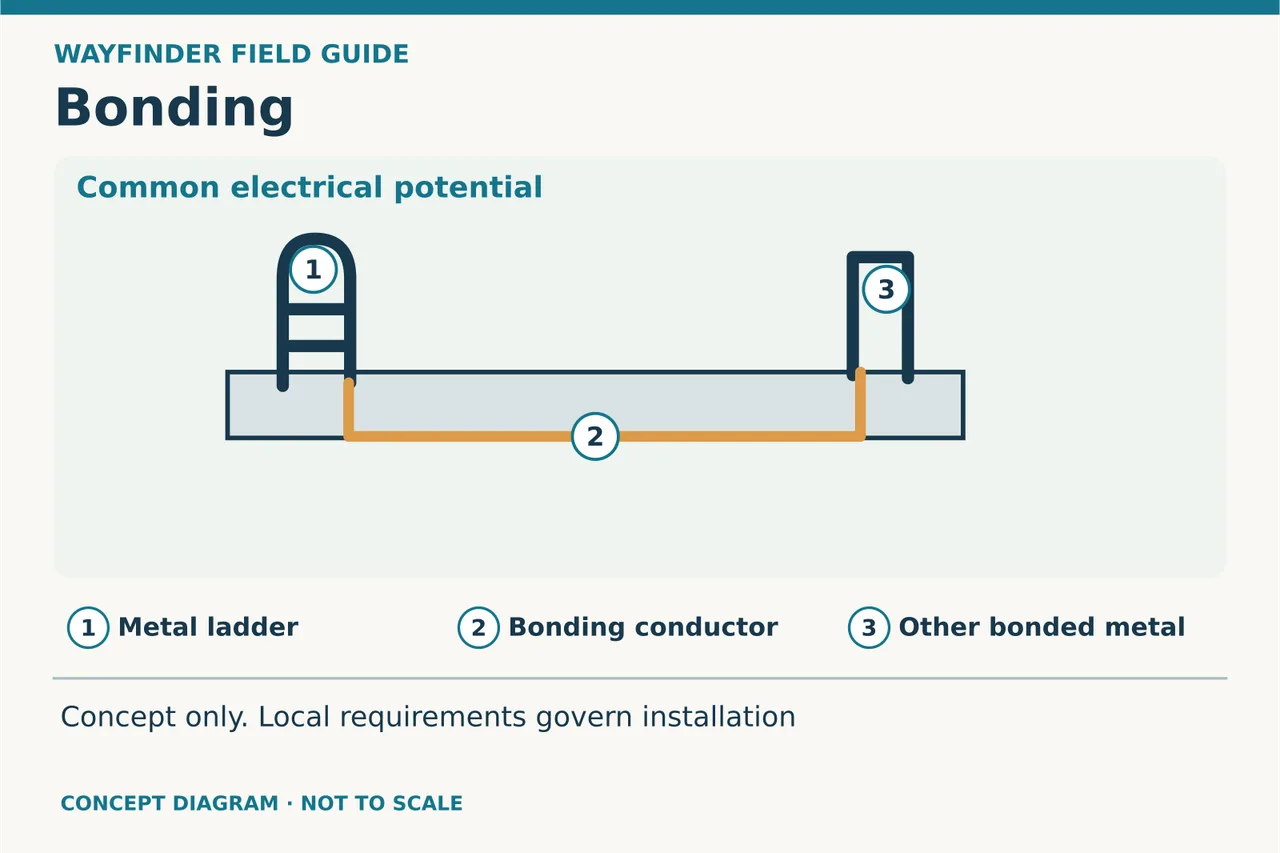
The electrical connection of metal components around a pool so they remain at the same electrical potential.
Why It Matters
Bonding is a critical safety requirement and is different from grounding. It is required by the National Electrical Code (Article 680) and is inspected before pool decking (patio) is installed.
Design & Features
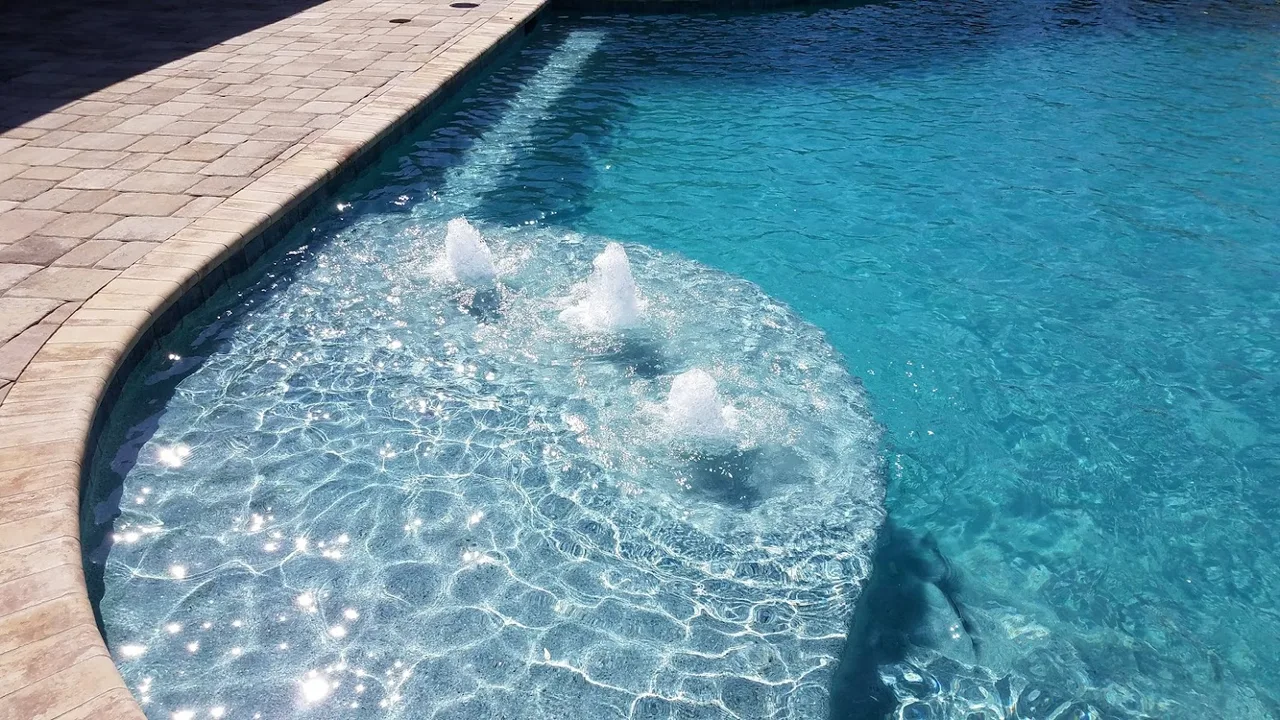
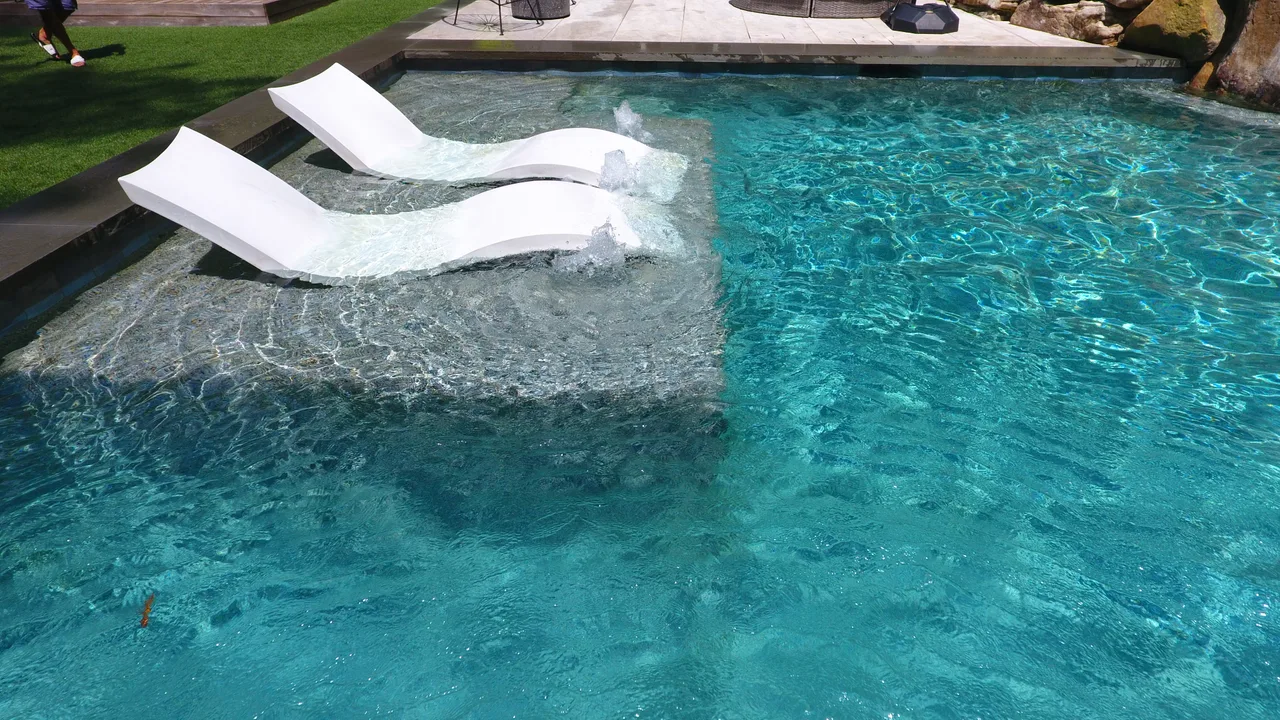
A low fountain that pushes water upward, often from a tanning ledge / sun shelf.
Why It Matters
Bubblers add motion and sound and may require dedicated plumbing and lighting.
Design & Features
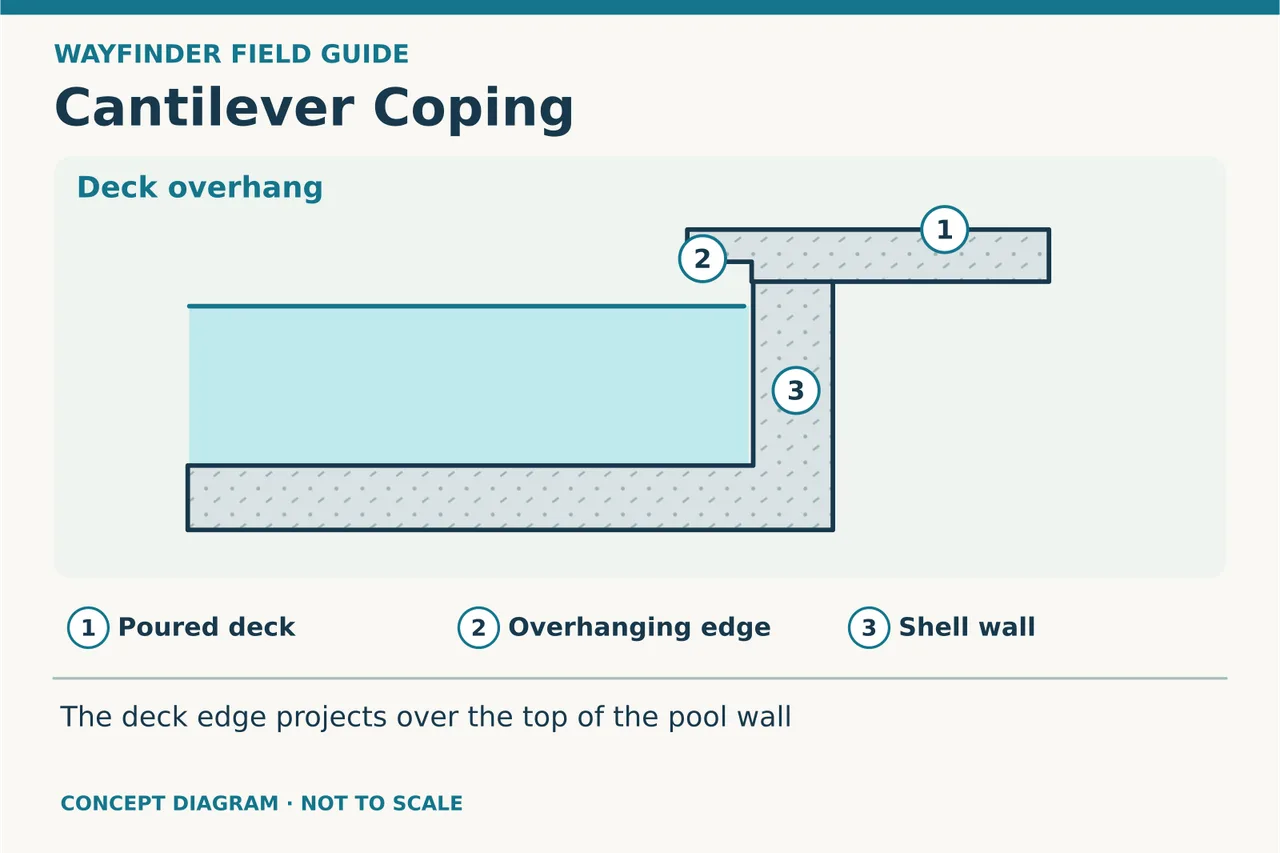
A coping detail where the deck material extends over the pool shell to form the edge.
Why It Matters
It creates an integrated look and differs from separate stone, brick, or precast coping, though it is less common in modern luxury pool installations.
Equipment & Systems
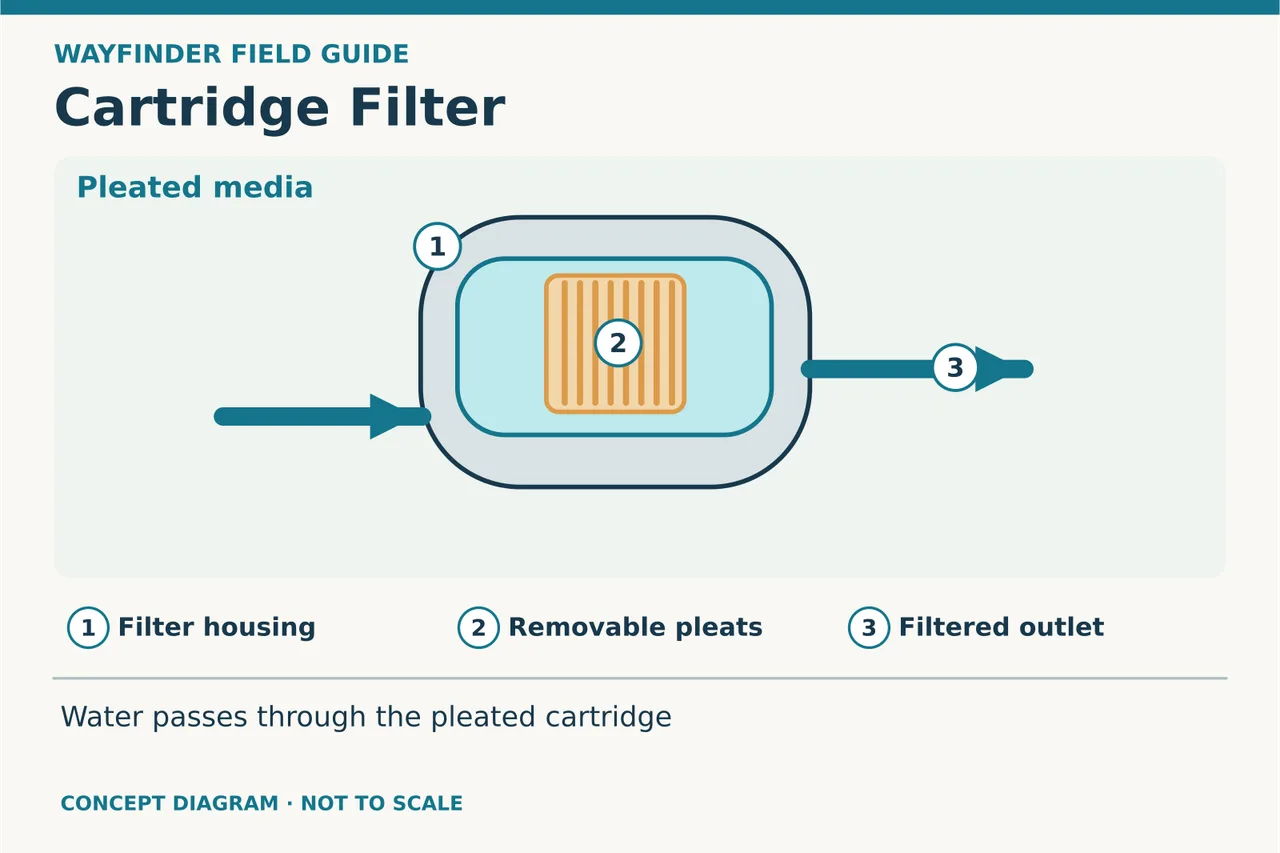
A filter that uses removable pleated cartridges to trap debris.
Why It Matters
It does not normally require backwashing, but the cartridges must be removed and cleaned, though usually less often than a sand filter.
Costs & Contracts
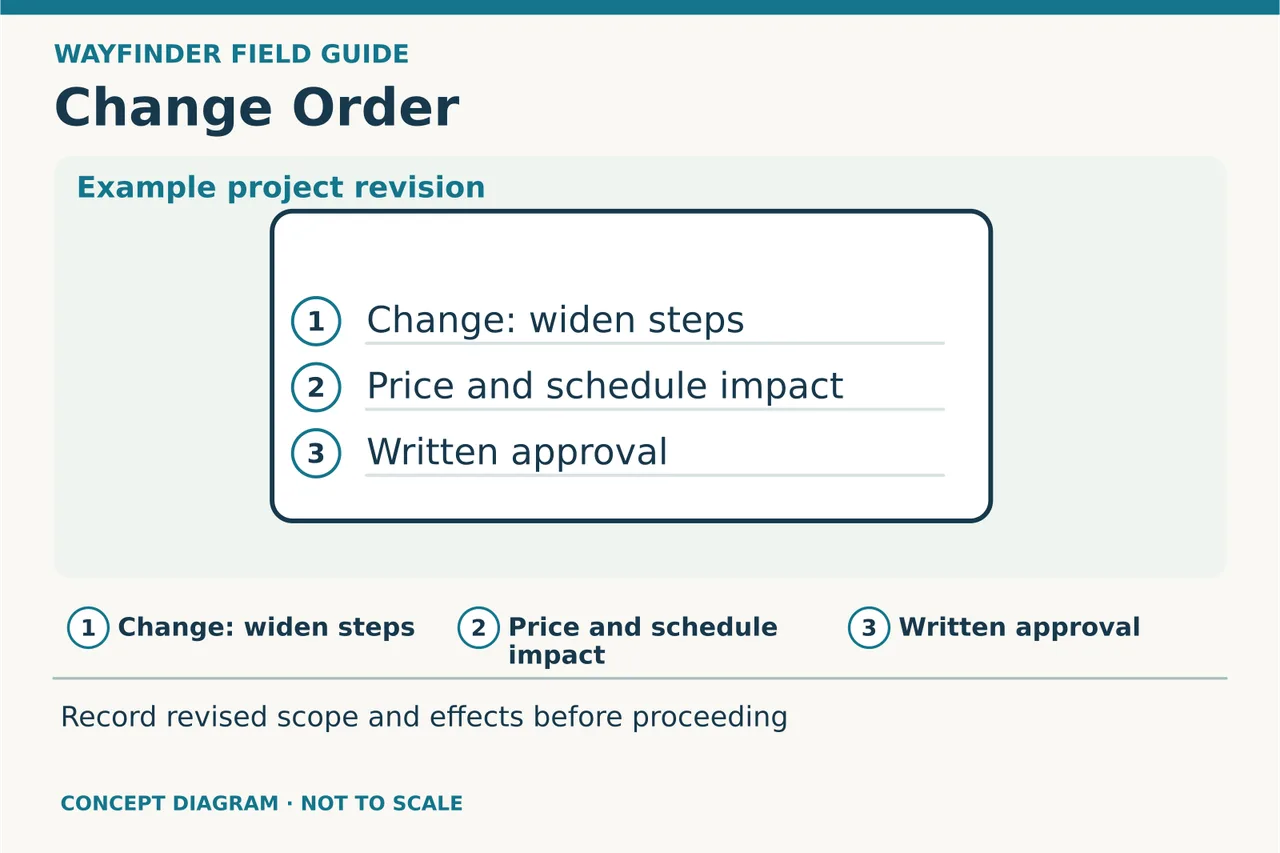
A written change to the agreed project scope, price, materials, or schedule after contract signing.
Why It Matters
It separates later changes and upgrades from the original agreement.
Equipment & Systems
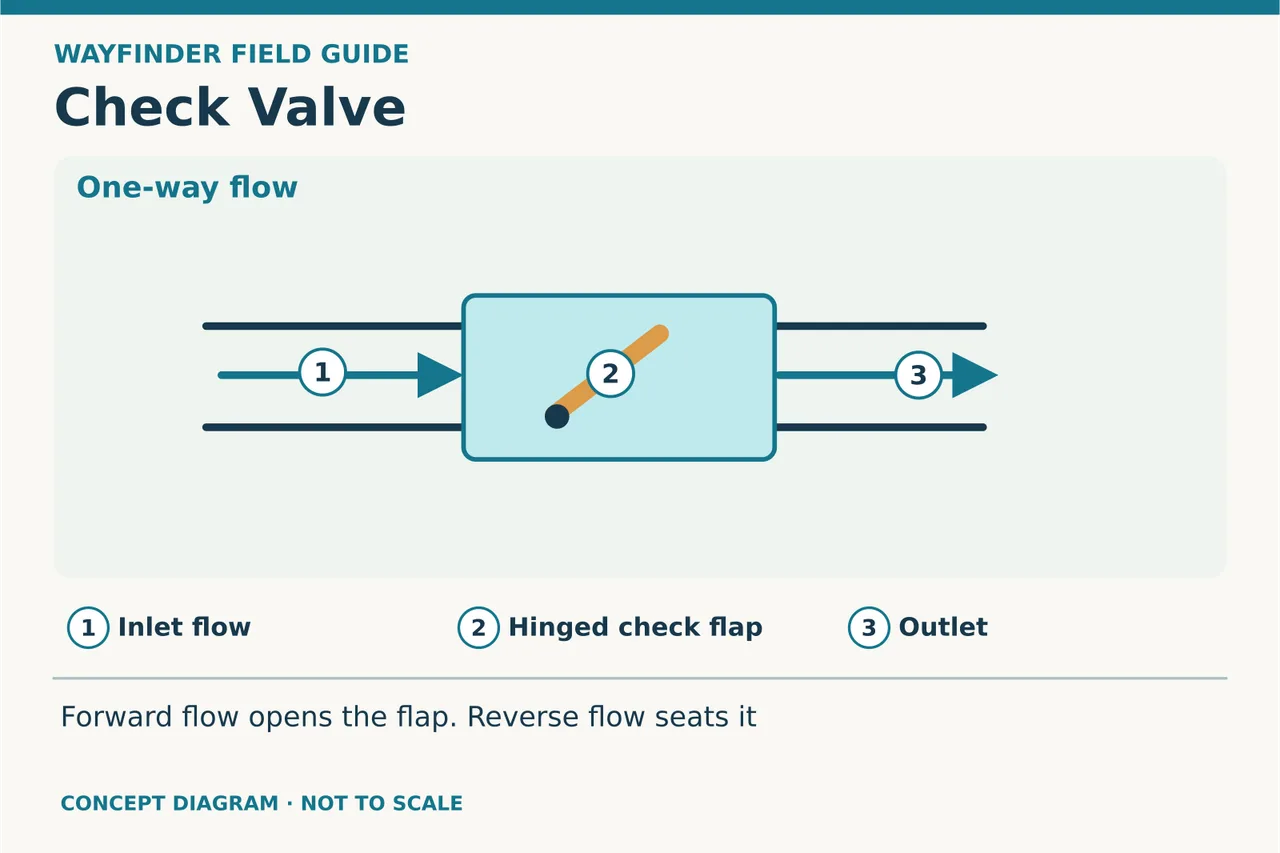
A one-way valve that allows water to move in only one direction.
Why It Matters
It helps prevent water from draining backward from spas, water features, or elevated plumbing.
Water Chemistry
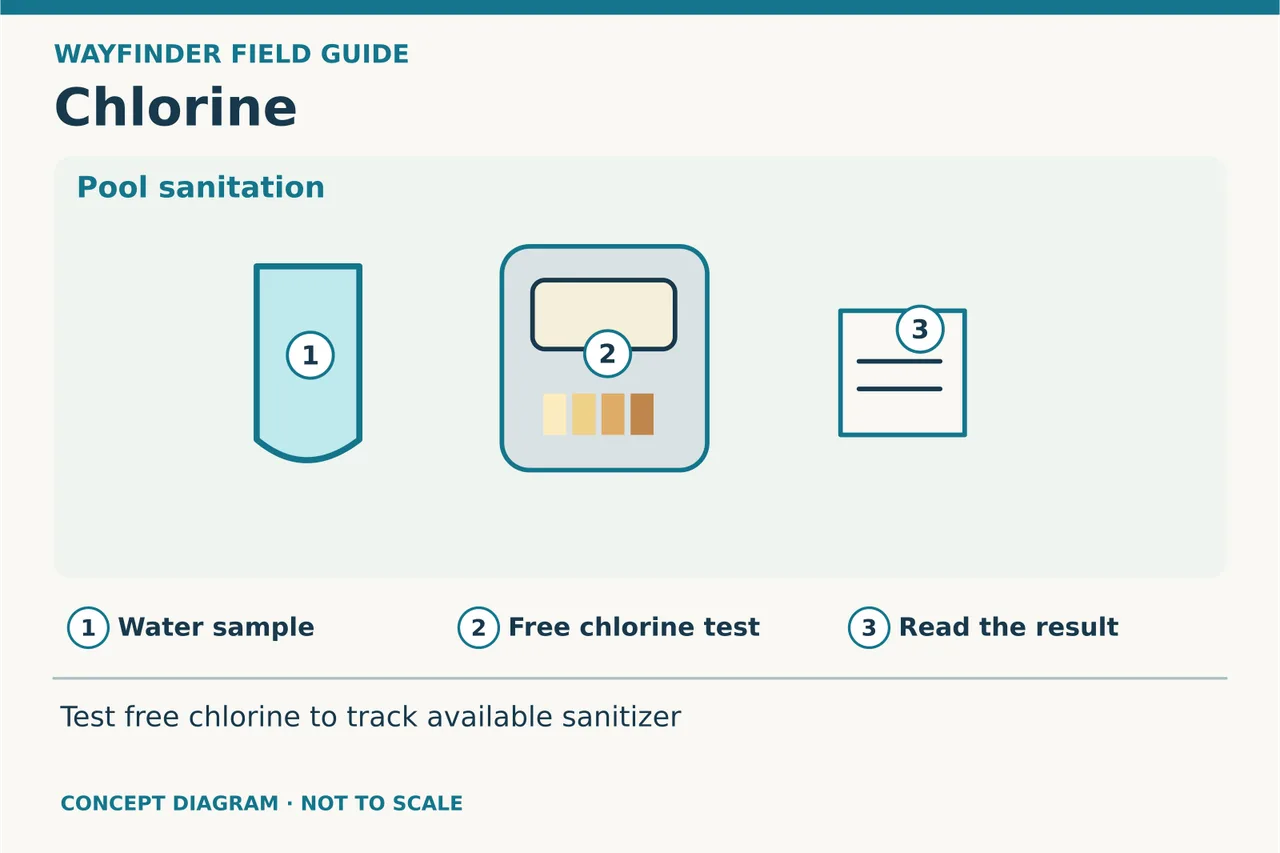
A sanitizer used to control bacteria and algae in pool water.
Why It Matters
Saltwater pools still use chlorine; they simply produce it in a different way.
See also: What is the difference between a saltwater pool and a traditional chlorine pool?
Equipment & Systems
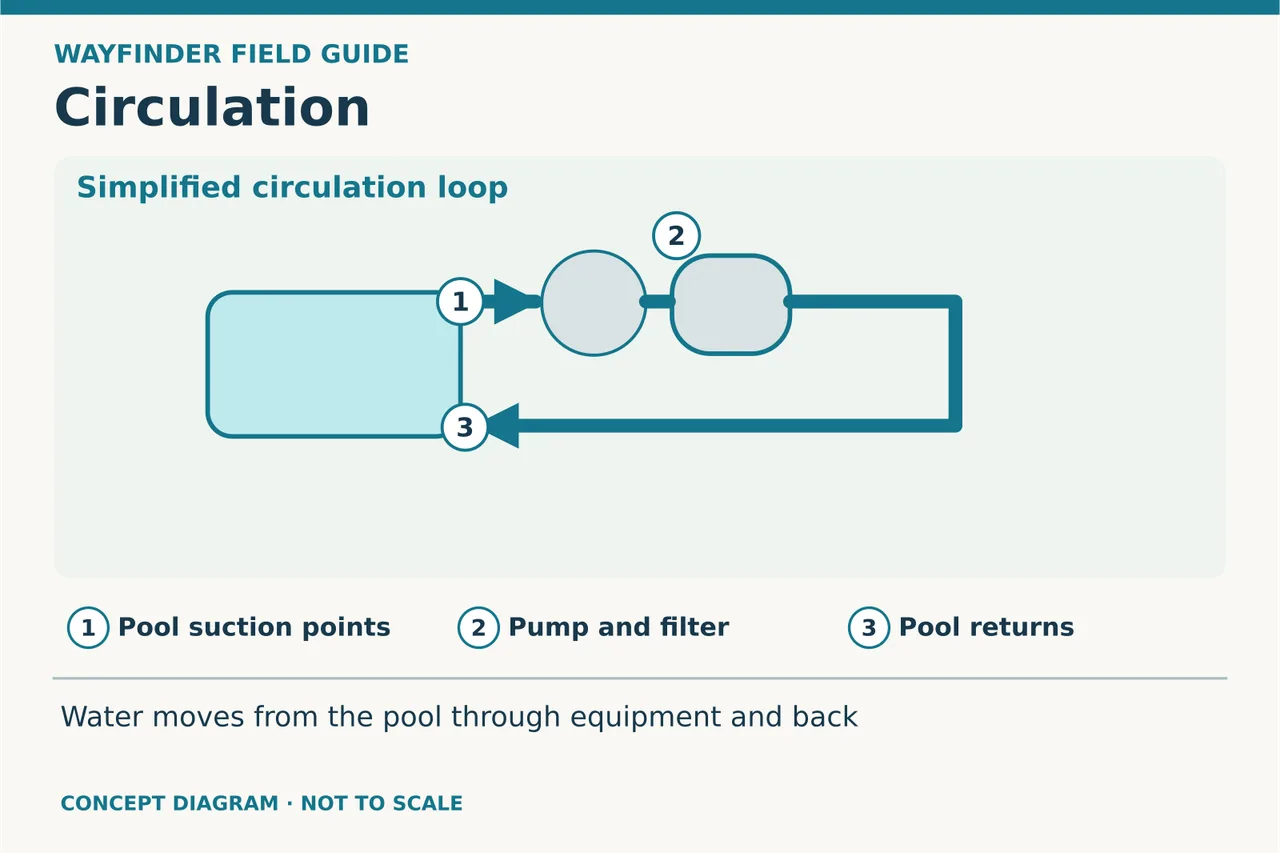
The movement of pool water through suction points, equipment, and back through the returns.
Why It Matters
Good circulation supports filtration, heating, chemical distribution, and water quality.
Construction & Materials
A poured concrete surface that can be textured, colored or finished in different ways.
Why It Matters
Each option affects appearance, traction, heat, drainage, upkeep and budget.
Design & Features
The finished cap installed along the top edge of the pool shell.
Why It Matters
Coping is both a design element and the transition between the pool and surrounding deck.
Construction & Materials
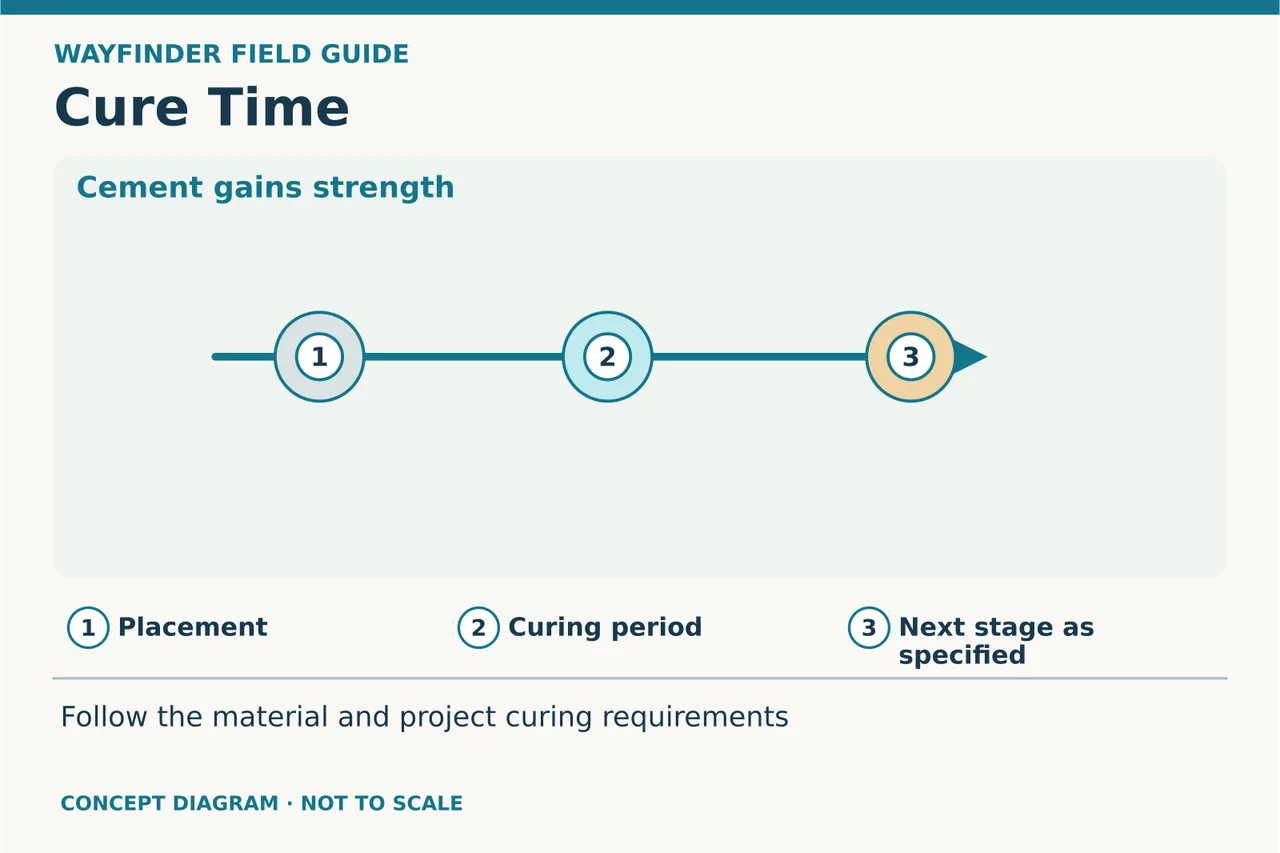
The period in which concrete or cement-based materials gain strength after installation.
Why It Matters
Curing requirements affect when later construction steps can safely occur.
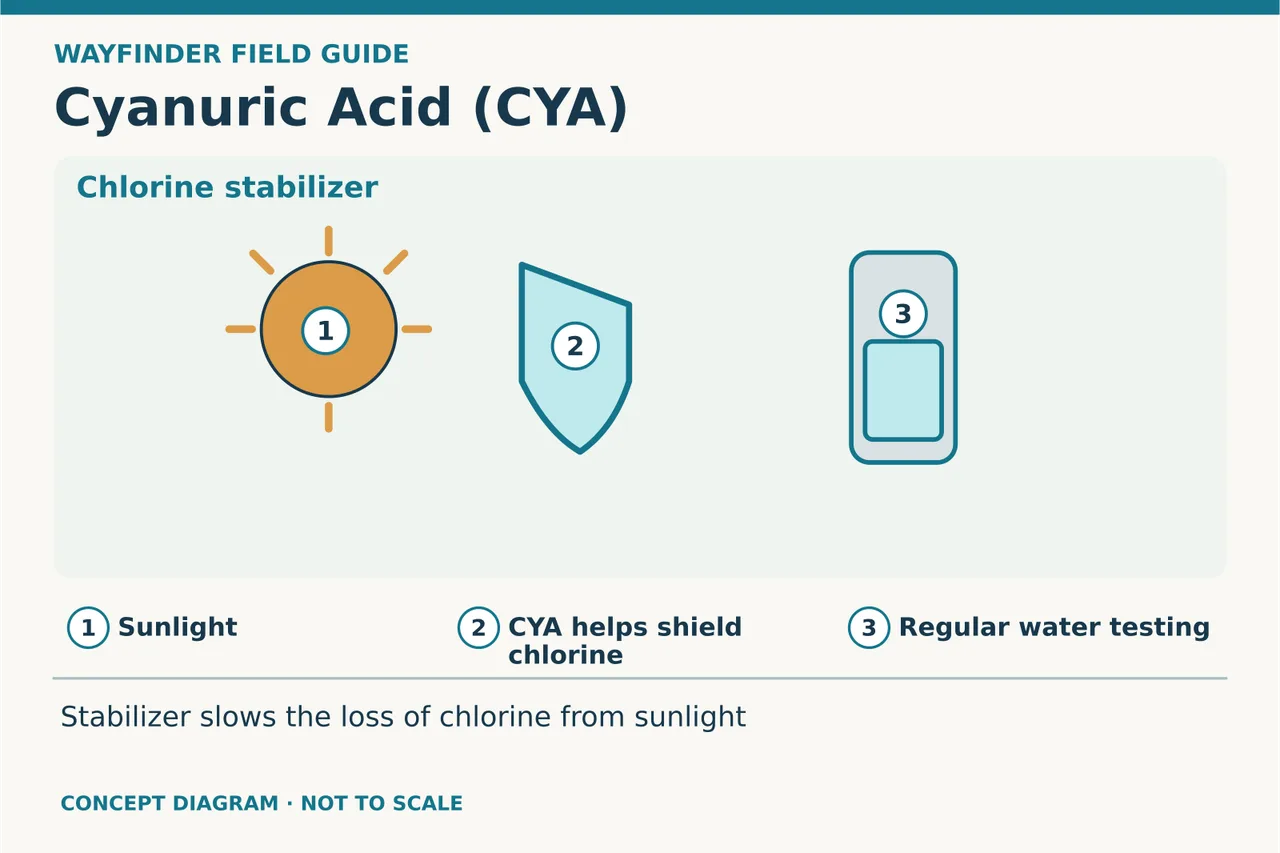
A stabilizer that helps protect chlorine from being broken down by sunlight.
Why It Matters
Too little can waste chlorine; too much can make chlorine less effective.
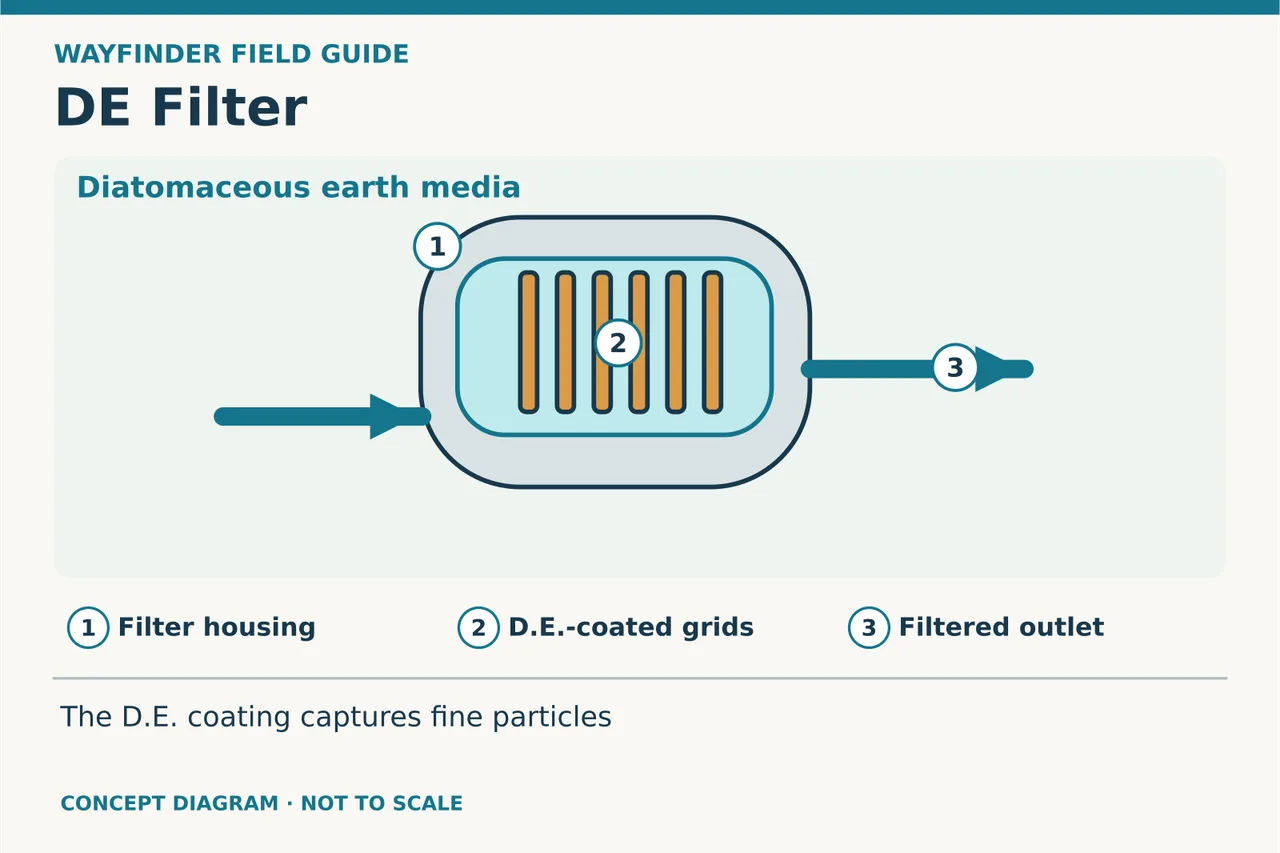
A filter that uses diatomaceous earth powder to capture very fine particles.
Why It Matters
It filters very finely but has different maintenance requirements than cartridge or sand filters.
Permits & Site Conditions
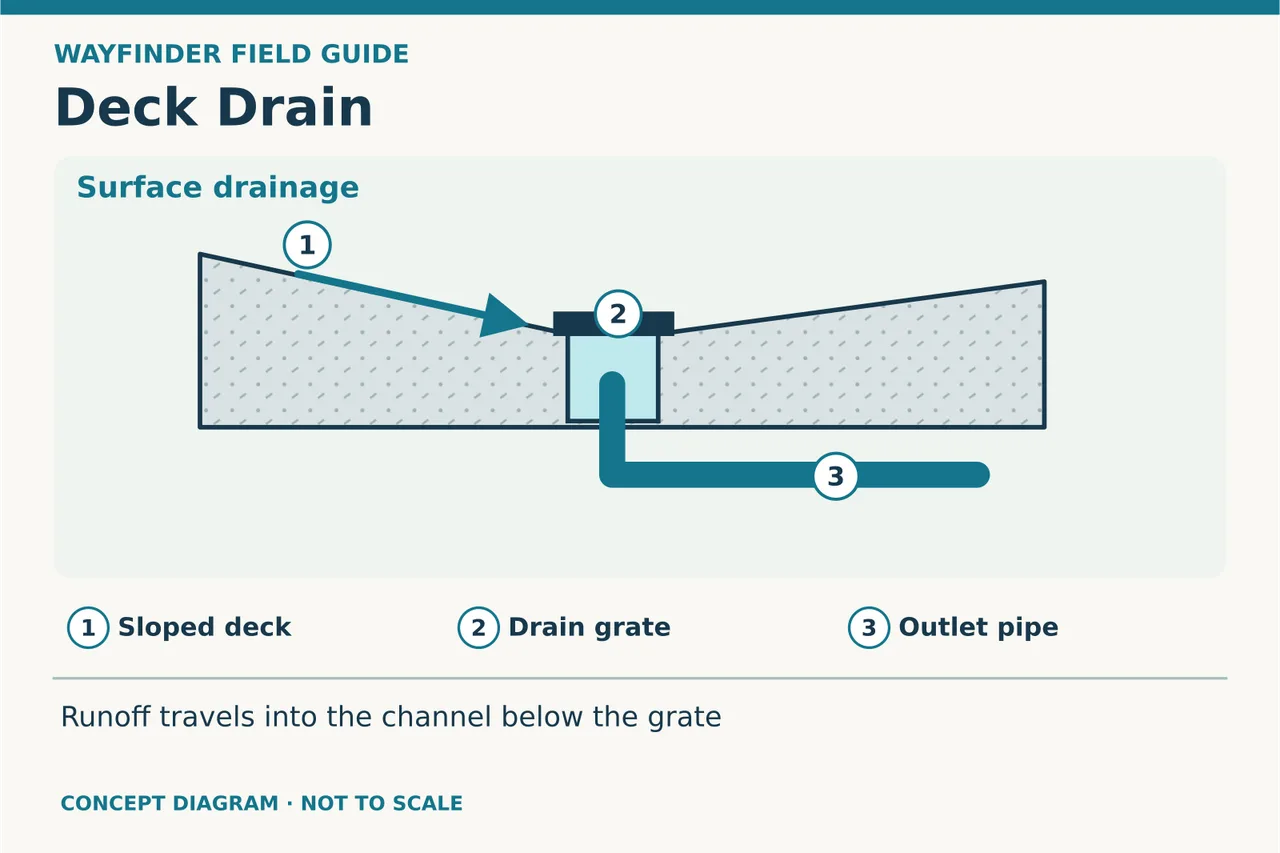
A drain or channel installed in or around the pool deck to collect surface water.
Why It Matters
Proper drainage helps keep rainwater from running into the pool or toward the house.
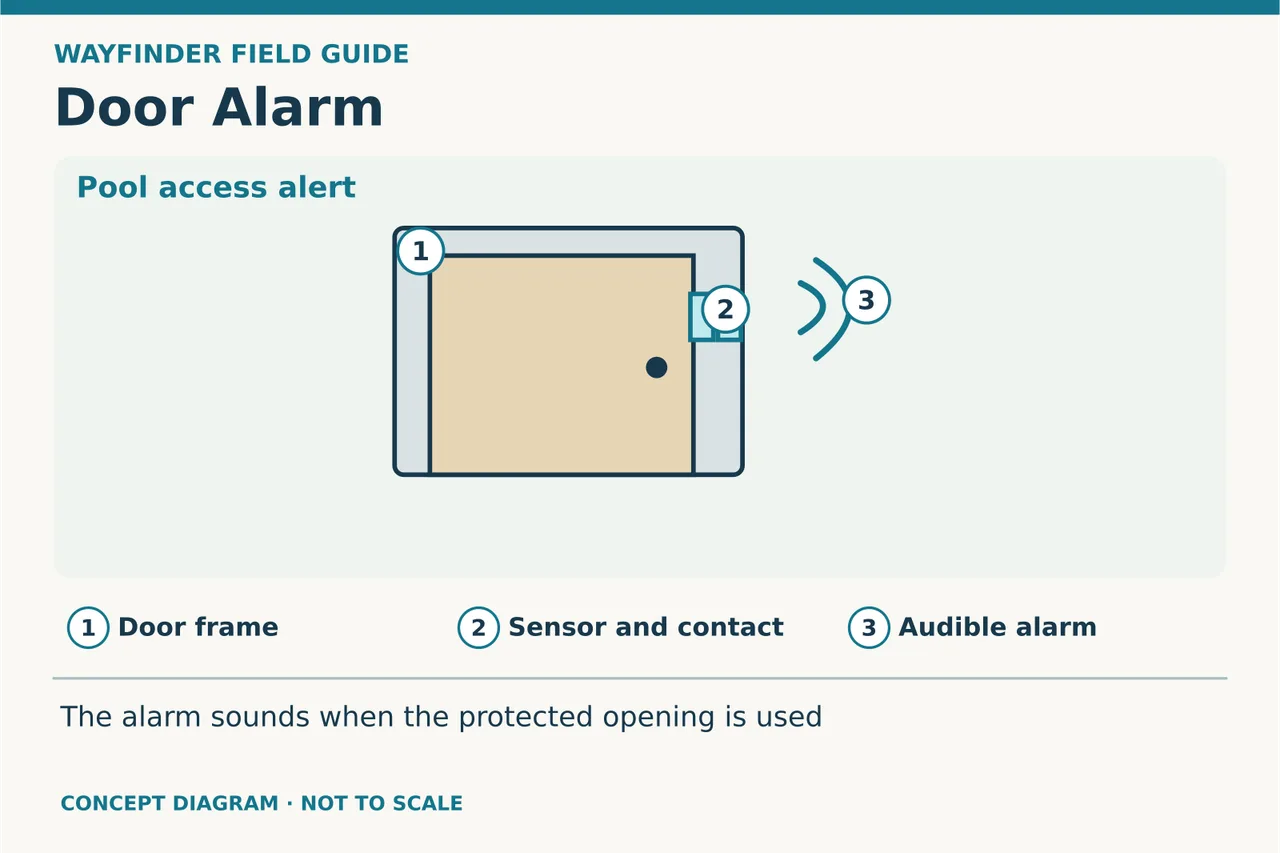
An alarm installed on a door or window that provides direct access to the pool area and sounds when that opening is used.
Why It Matters
Door alarms can be an important layer of pool-barrier safety and may be required by local code depending on the property and barrier design.
Permits & Site Conditions
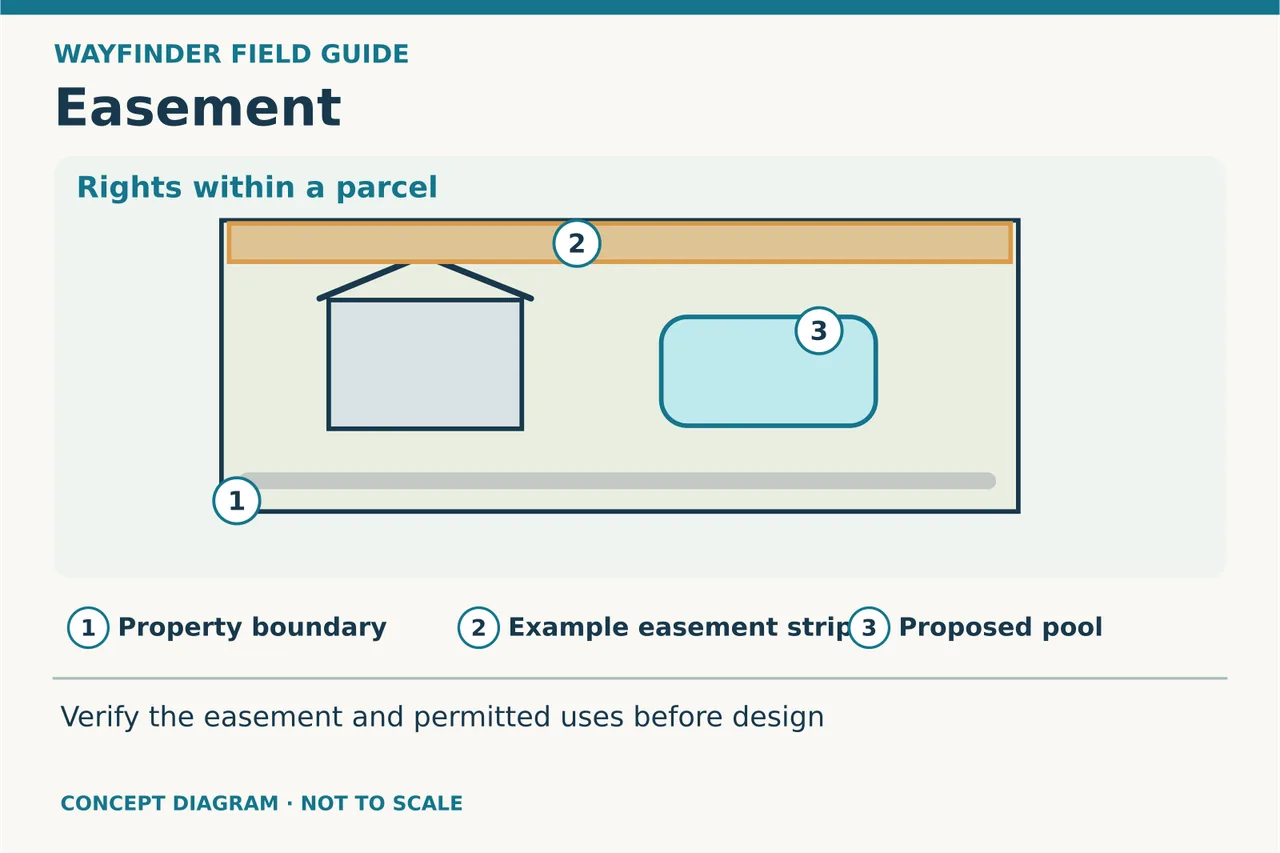
A legal area on a property reserved for access or use by a utility, municipality, neighbor, or other party.
Why It Matters
Pools, decks, walls, and structures may be restricted within an easement.
Equipment & Systems
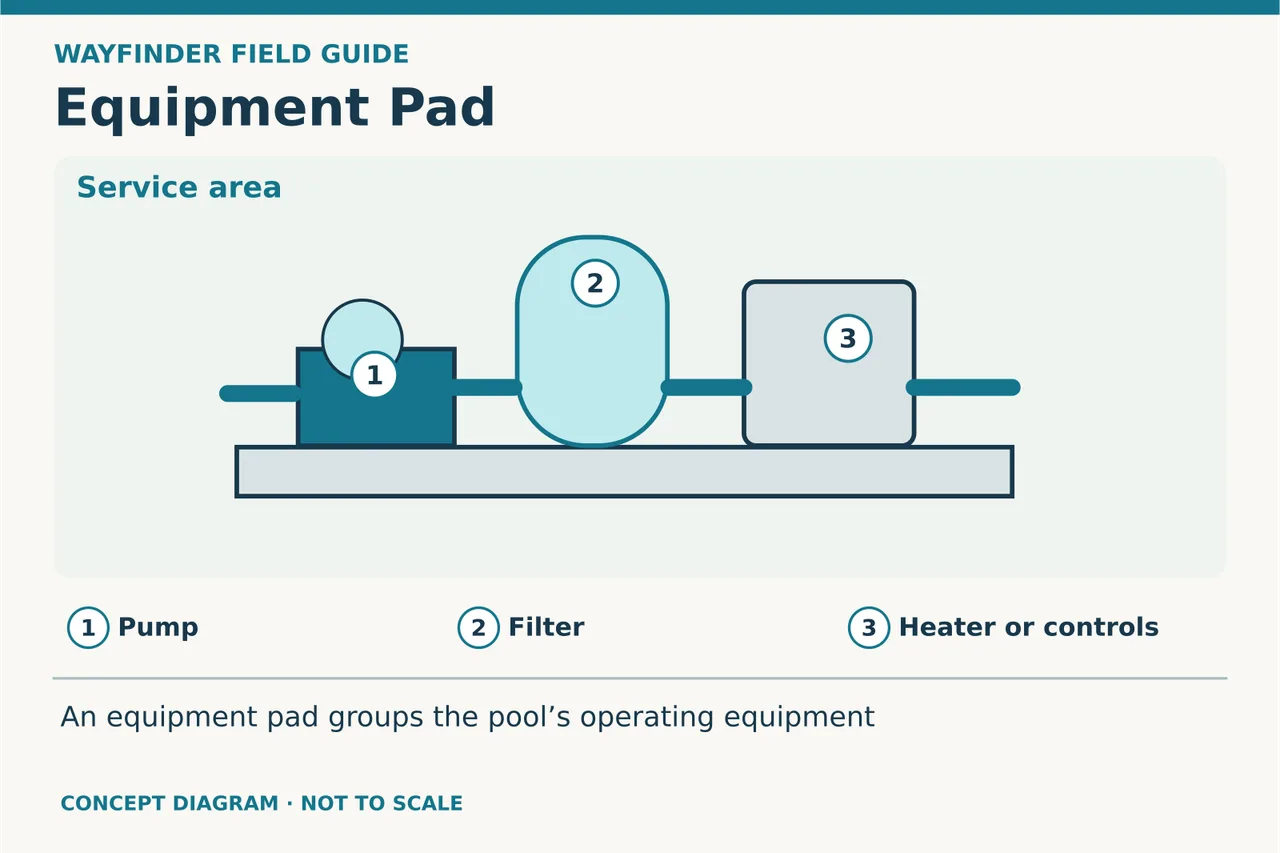
The area where pumps, filters, heaters, automation, sanitizers, and related equipment are installed.
Why It Matters
Its location affects noise, service access, plumbing efficiency, drainage, and appearance.
Construction & Materials
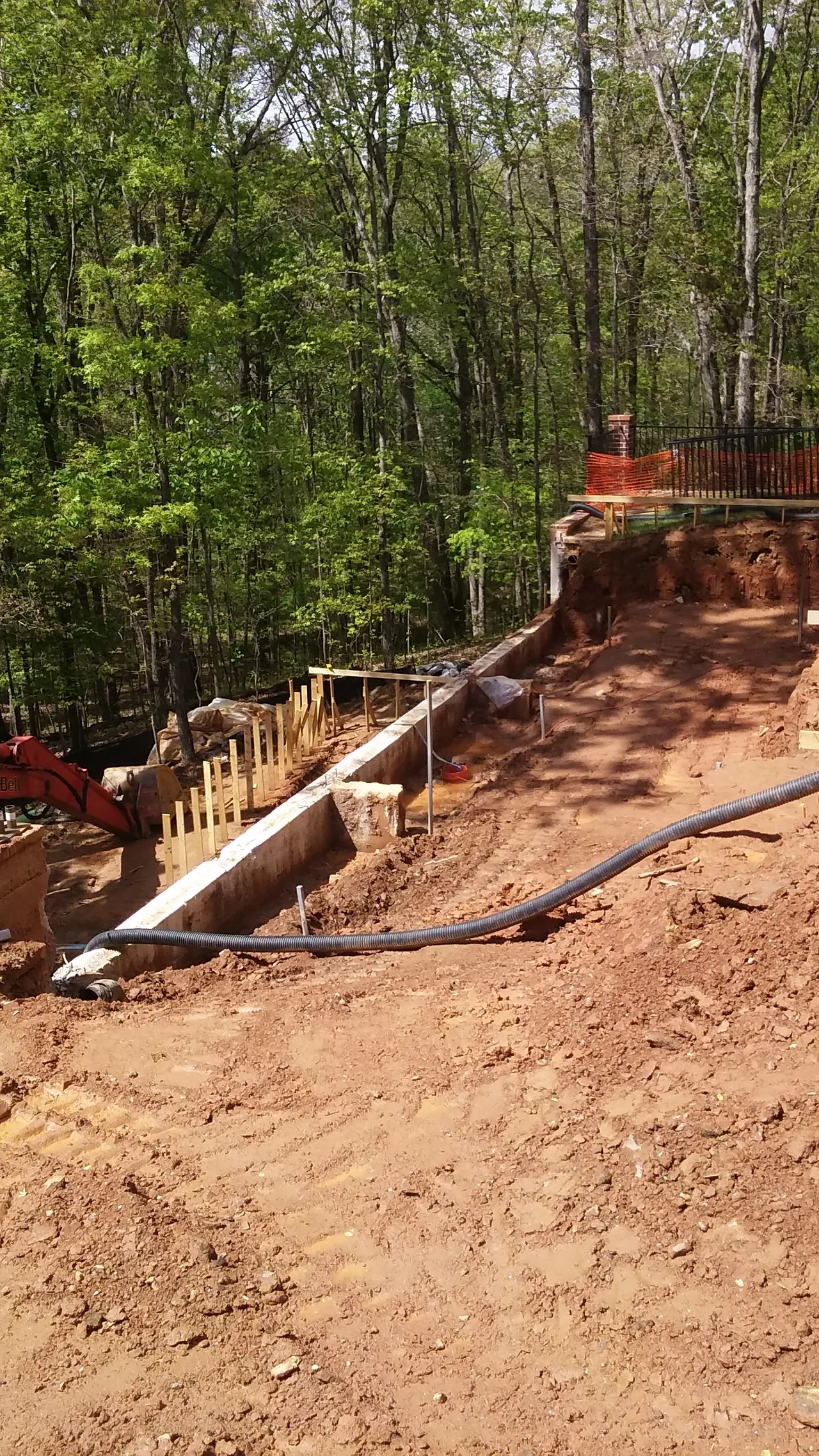
The process of digging the pool and related structures to the planned shape and elevation.
Why It Matters
Rock, groundwater, soil, access, and haul-off can materially affect excavation cost.
Construction & Materials
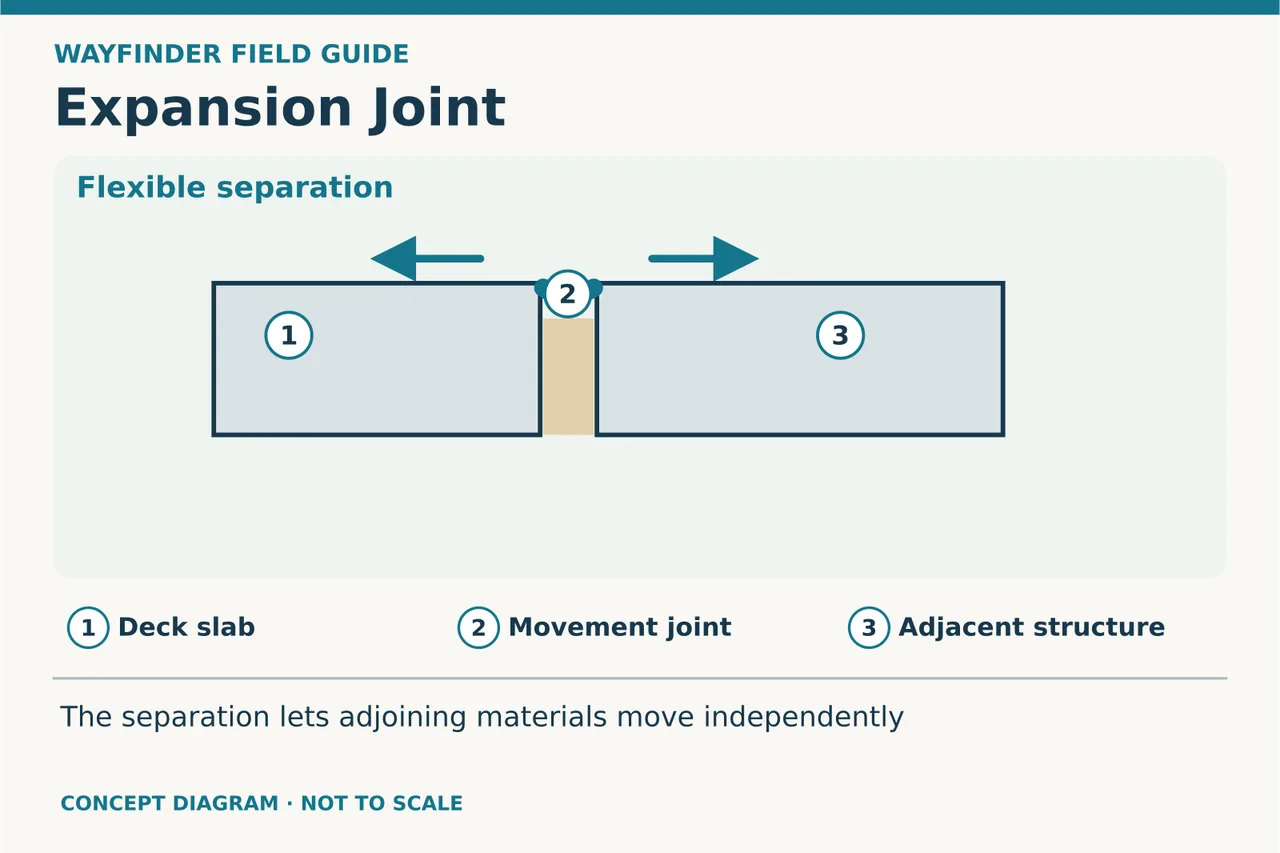
A flexible separation between materials that allows them to move independently.
Why It Matters
It helps reduce cracking where decks and pool structures meet.
Equipment & Systems
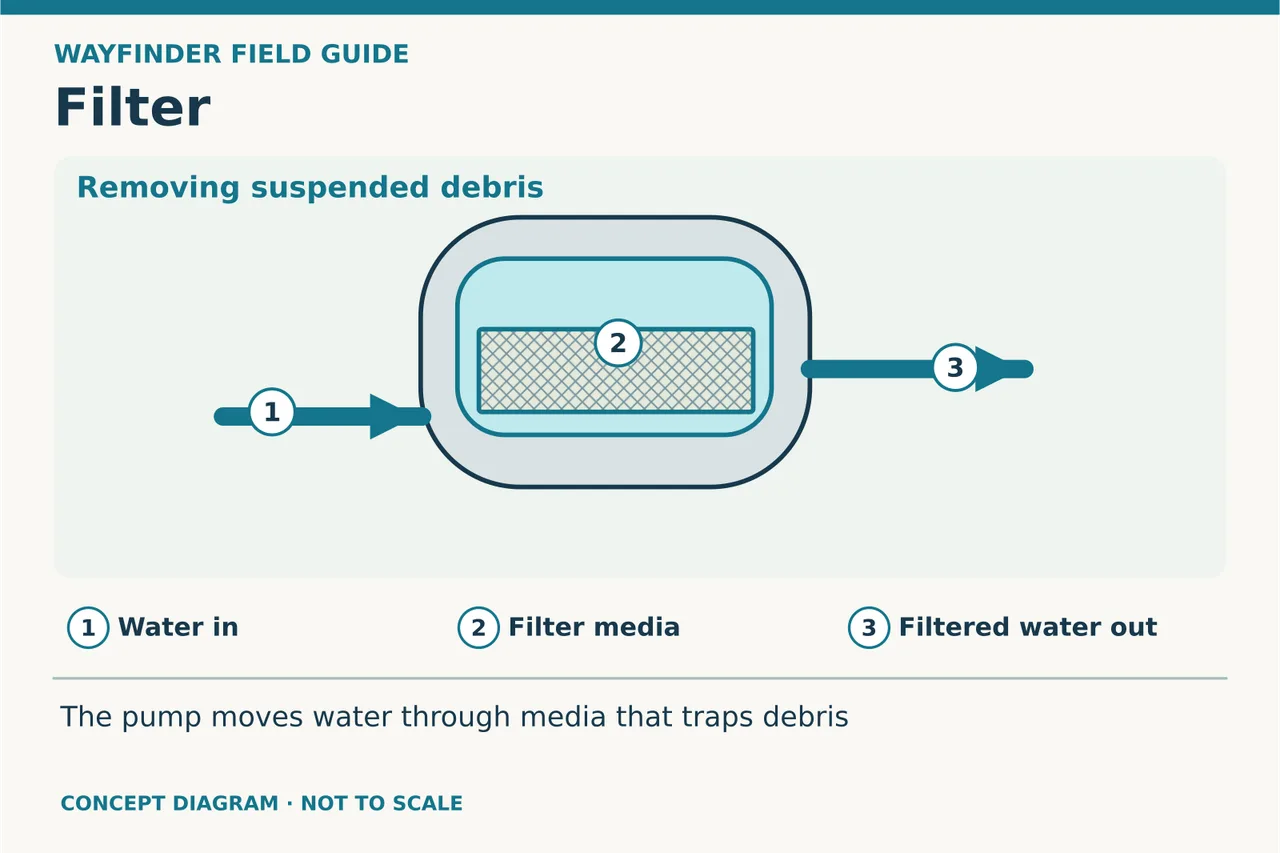
The component that removes suspended debris from circulating pool water.
Why It Matters
Common residential types include cartridge, sand, and DE filters.
Permits & Site Conditions
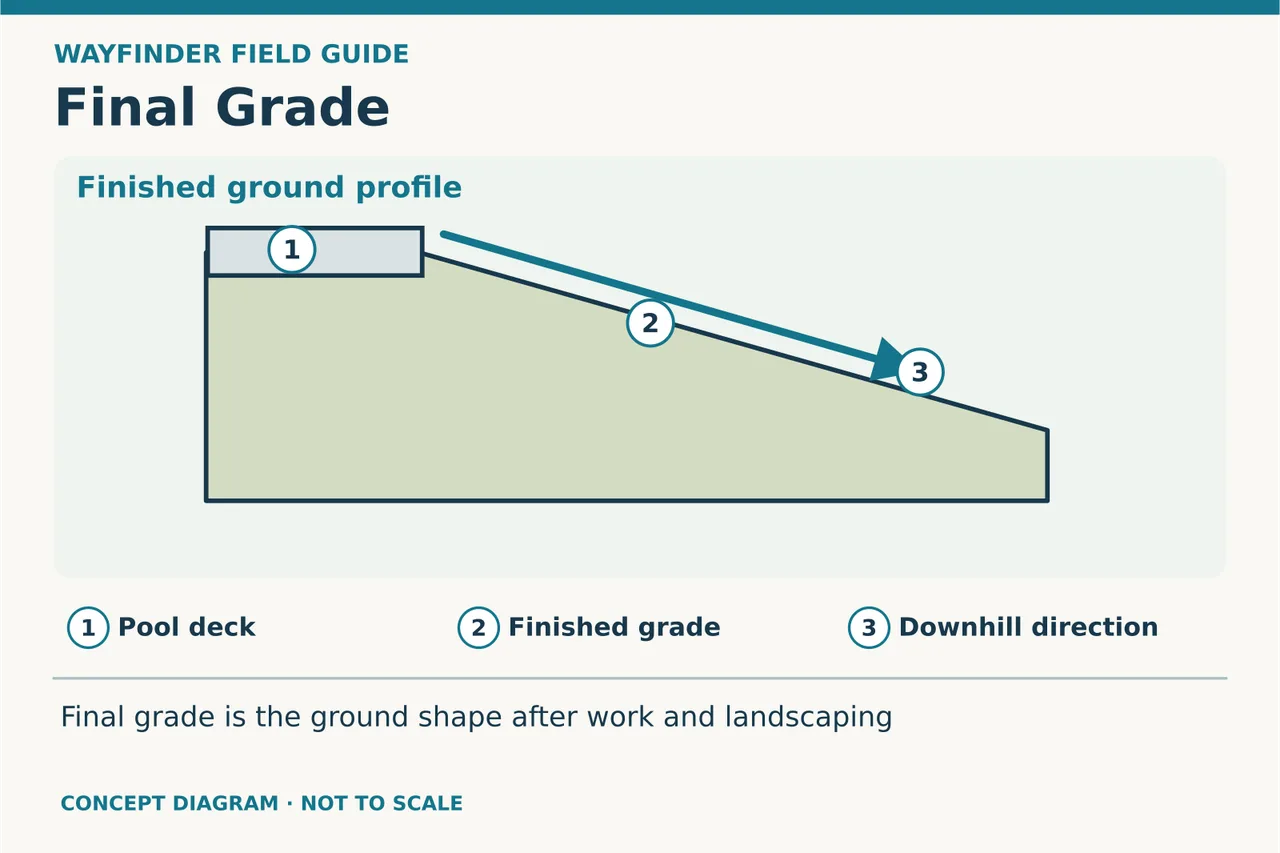
The finished shape and elevation of the ground after construction and landscaping.
Why It Matters
Good final grading helps direct water away from the pool and house.
Design & Features
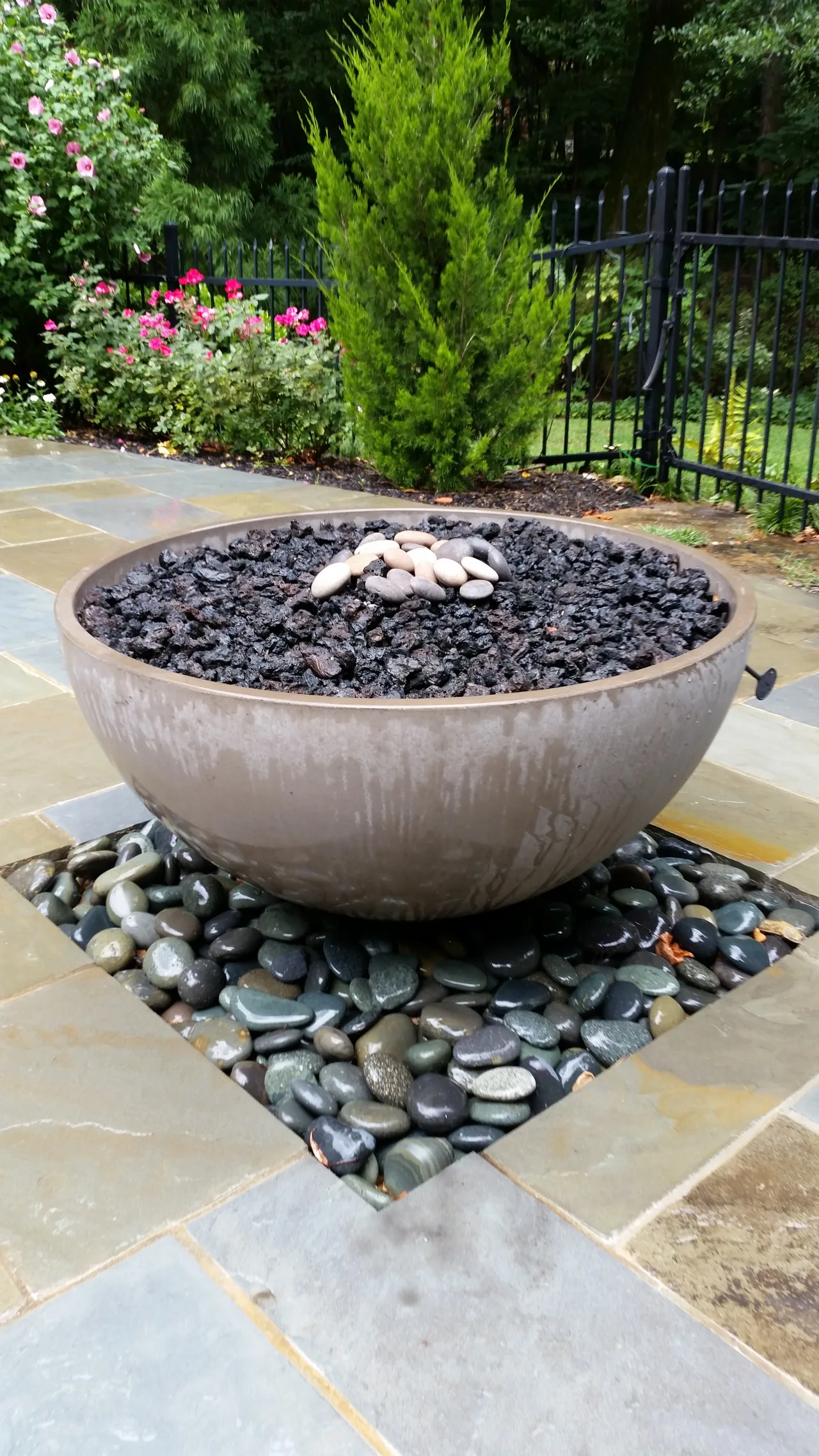
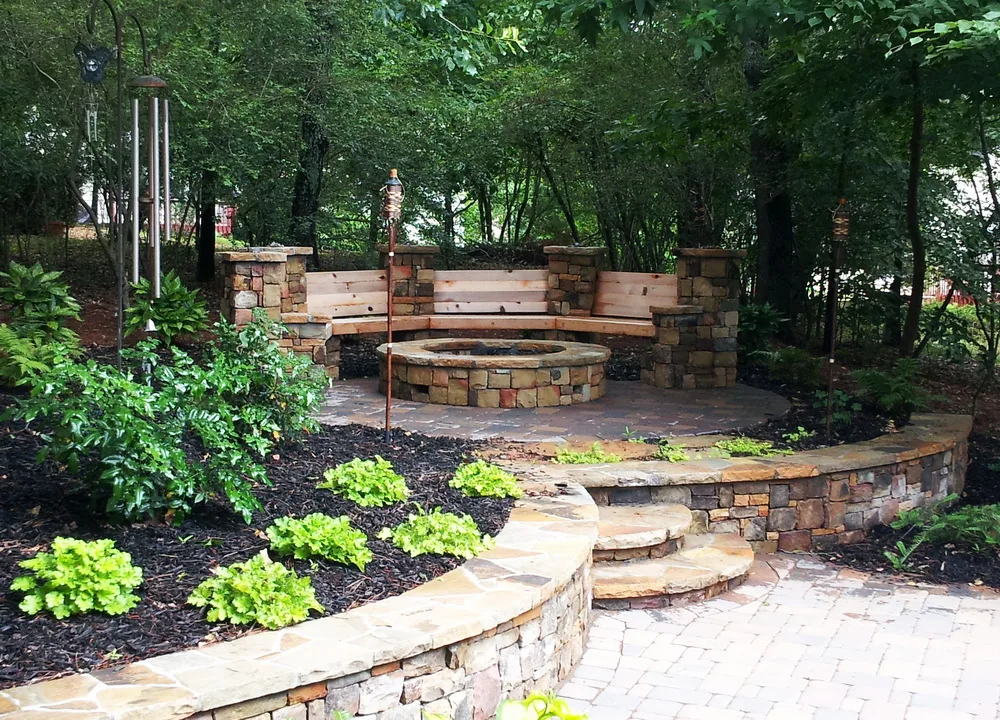
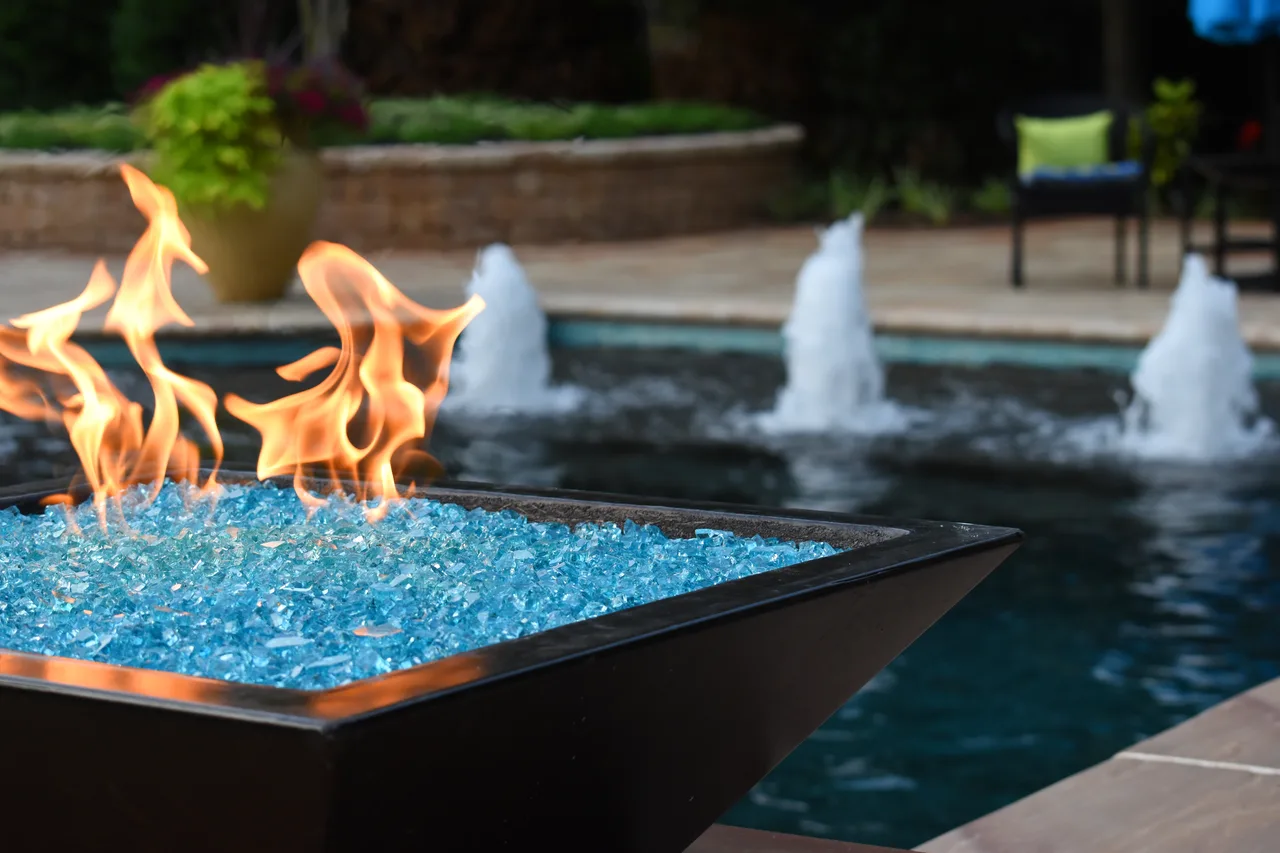
A built-in fire element such as a fire bowl, fire pit, linear burner, or fireplace.
Why It Matters
Considerations include fuel, clearances, controls, and coordination with surrounding materials.
Construction & Materials
Flat natural stone pieces, often laid in irregular patterns.
Why It Matters
Each option affects appearance, traction, heat, drainage, upkeep and budget.
Design & Features
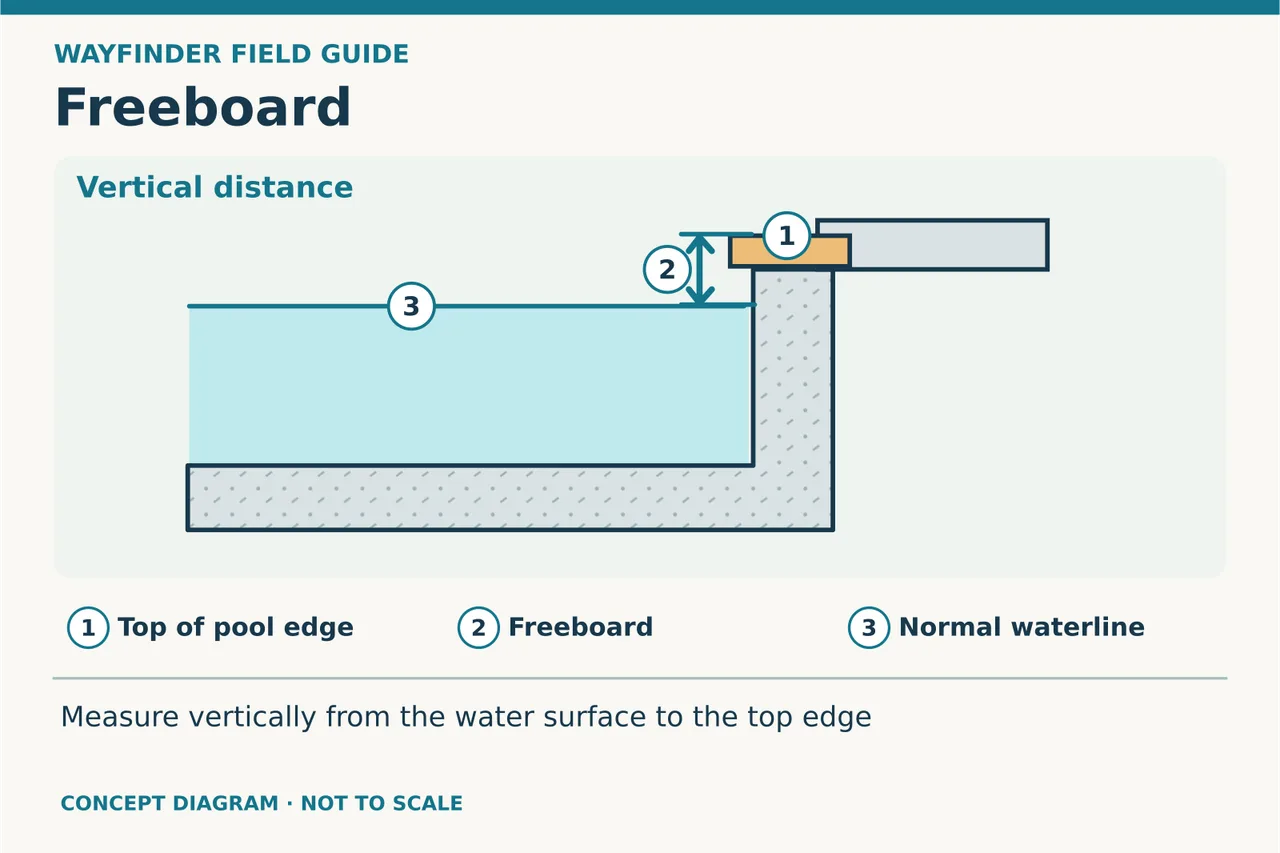
The vertical distance between the normal water level and the top edge of the pool.
Why It Matters
It affects the look of the pool and is especially important in overflow and vanishing-edge designs.
Equipment & Systems
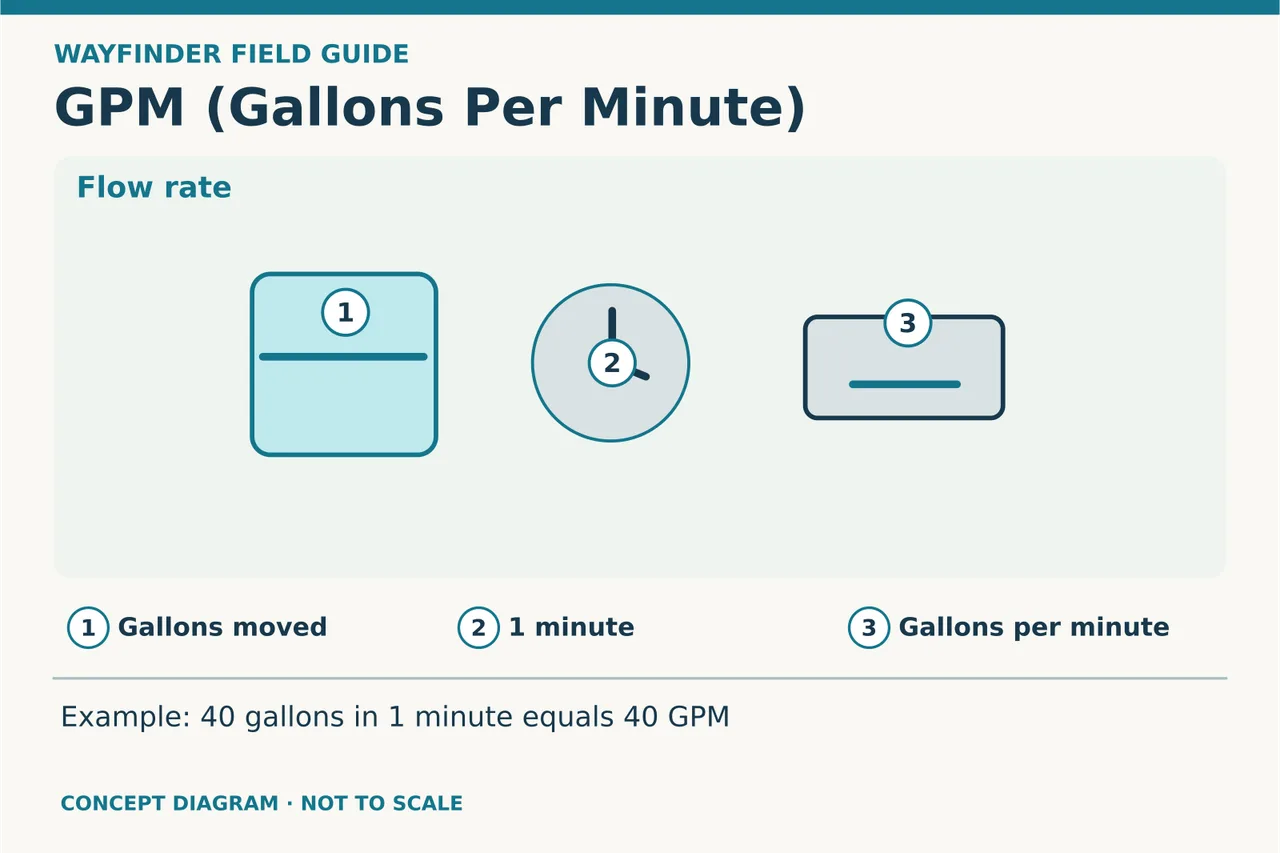
A measure of how much water moves through a pipe or piece of equipment each minute.
Why It Matters
GPM is used when sizing pumps, plumbing, filters, heaters, and water features. Proper pipe sizing is an important safety consideration.
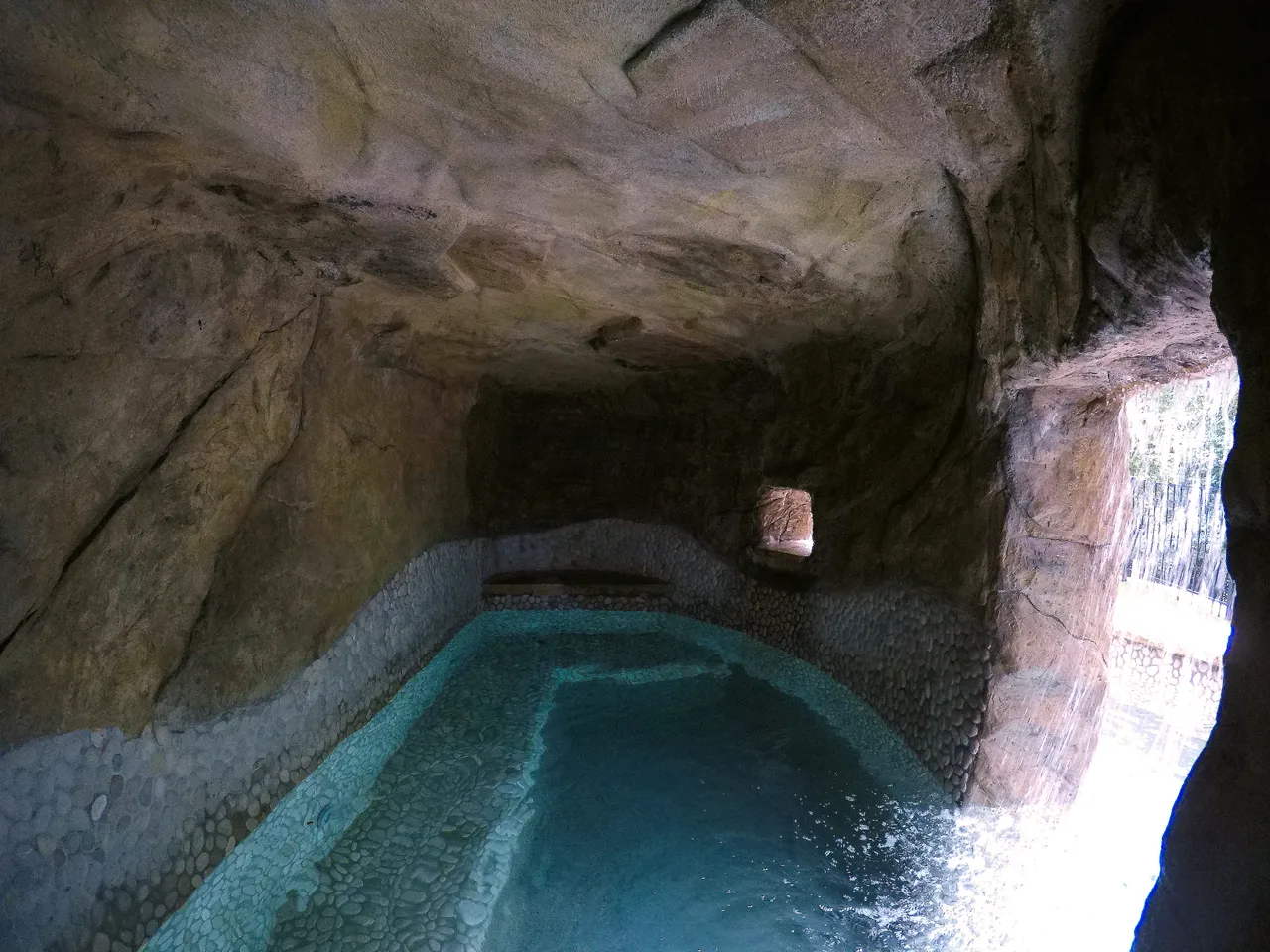
A cave-like structure incorporated into a pool, often built with natural or simulated rock and sometimes located beneath or behind a waterfall.
Why It Matters
Grottos can create a dramatic destination within the pool but add structure, waterproofing, access, water-feature, and maintenance considerations.
Construction & Materials
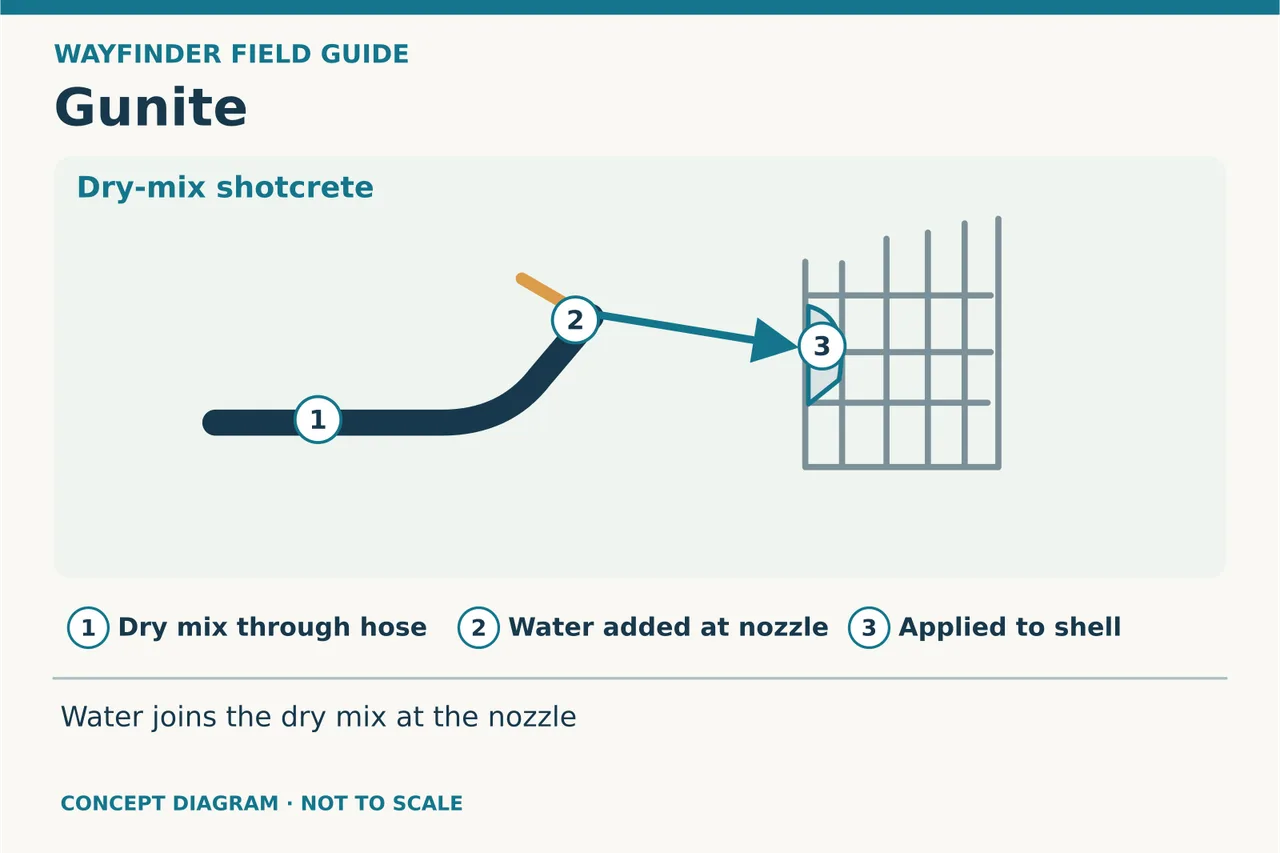
A method of applying concrete pneumatically using a dry mix with water added at the nozzle.
Why It Matters
The term is often used broadly for concrete pools, but gunite and shotcrete are technically different.
Equipment & Systems
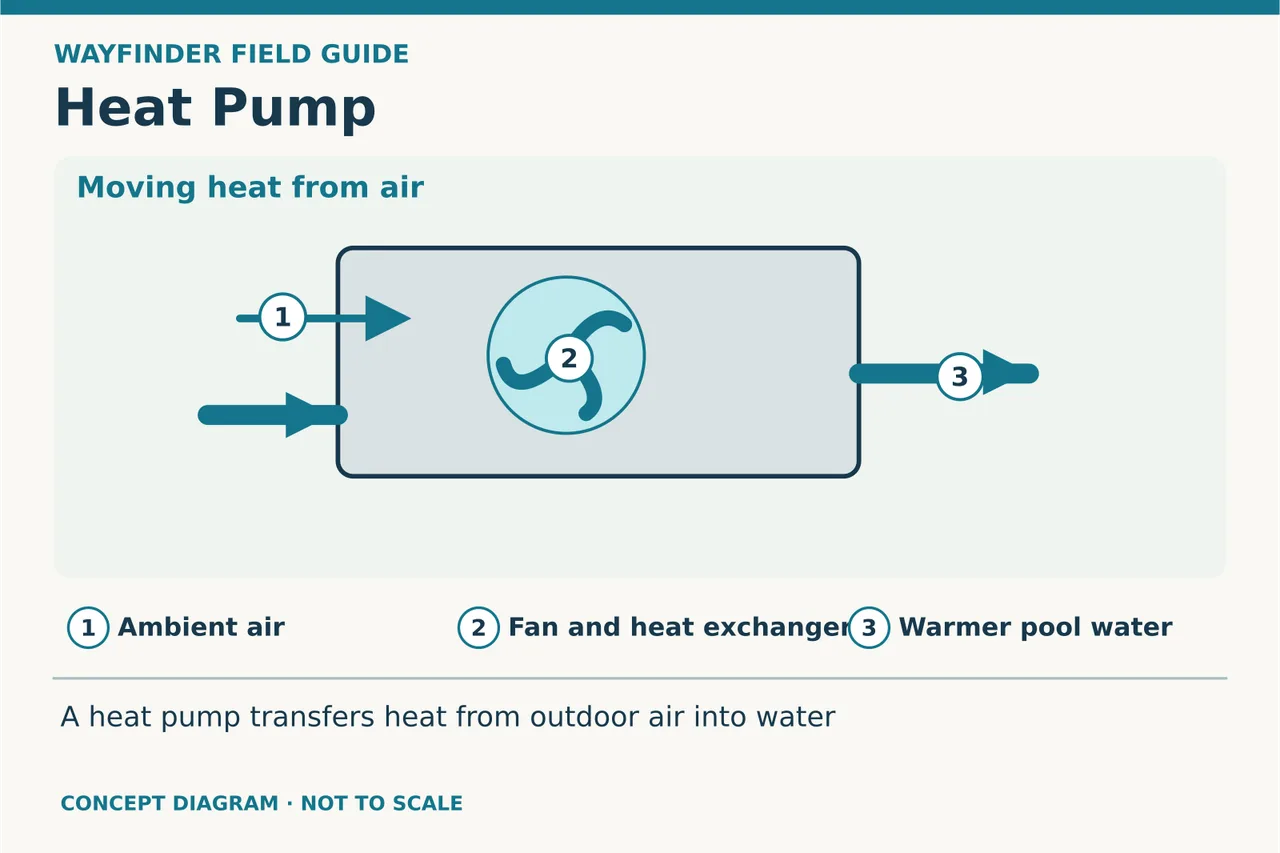
A heater that transfers heat from the surrounding air into the pool water.
Why It Matters
It is typically efficient for maintaining temperature but differs from gas heat in speed and cold-weather performance. A heat pump is not typically used to heat a spa because it heats slower than gas.
Equipment & Systems
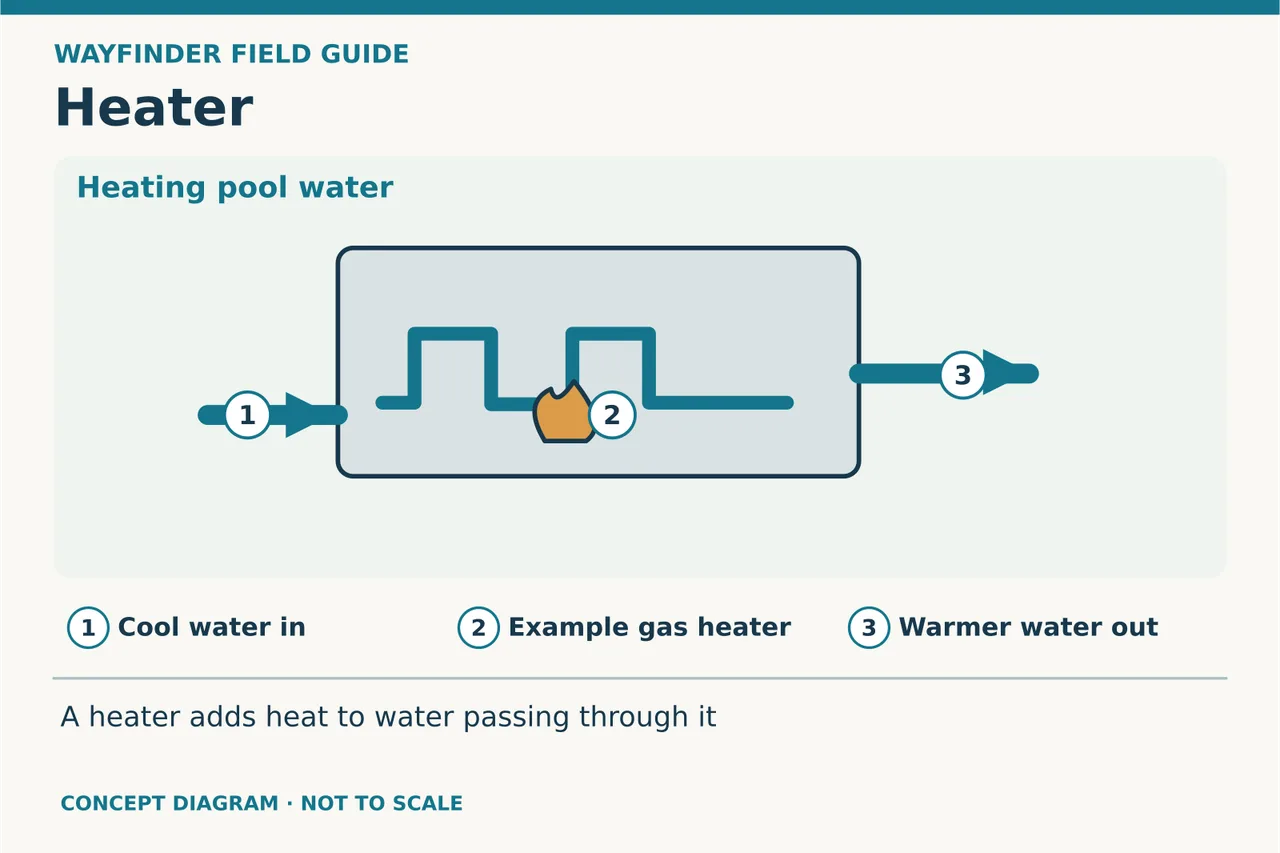
Equipment used to raise pool or spa water temperature.
Why It Matters
Heater type affects operating cost, heating speed, utility requirements, and seasonal performance.
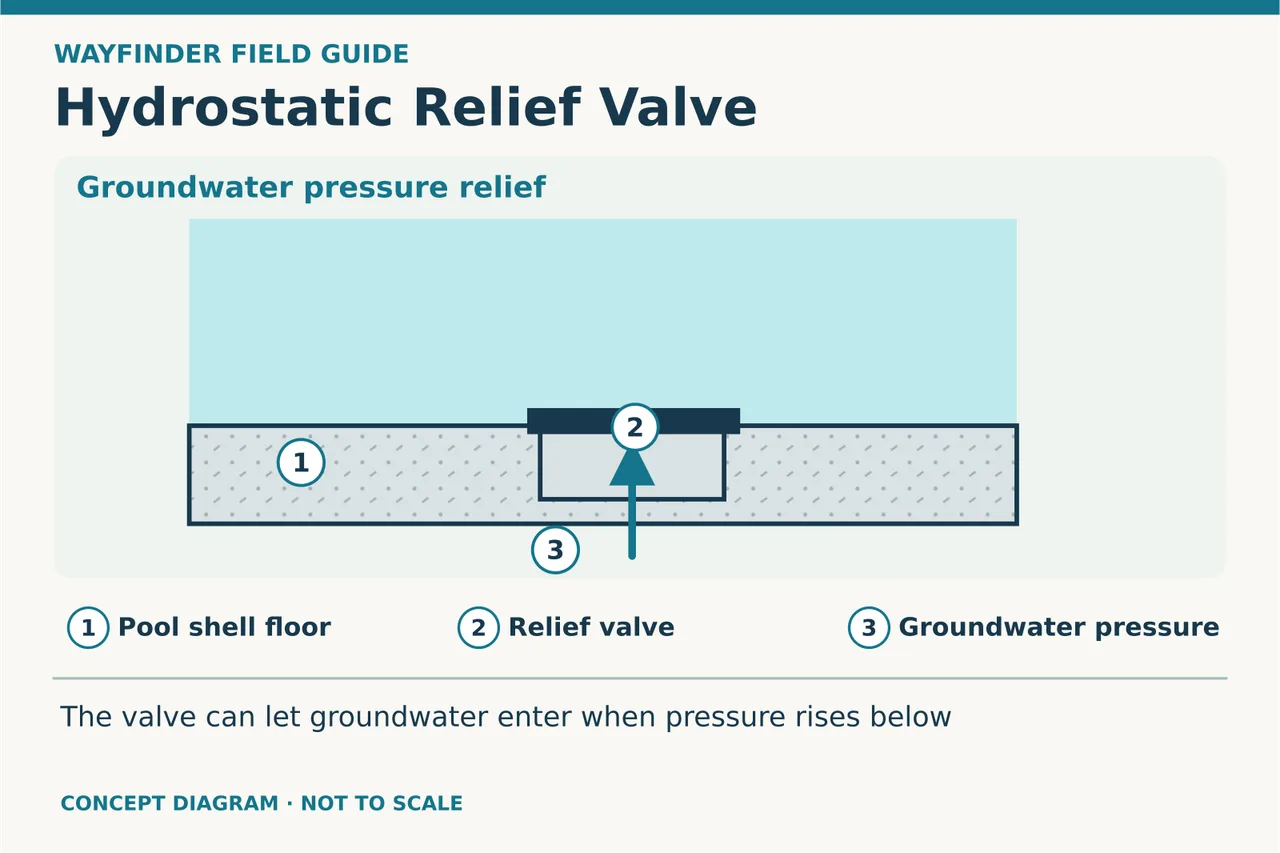
A valve or fitting designed to reduce damaging groundwater pressure beneath an empty or partially empty pool.
Why It Matters
It is important where groundwater can rise around the pool shell.
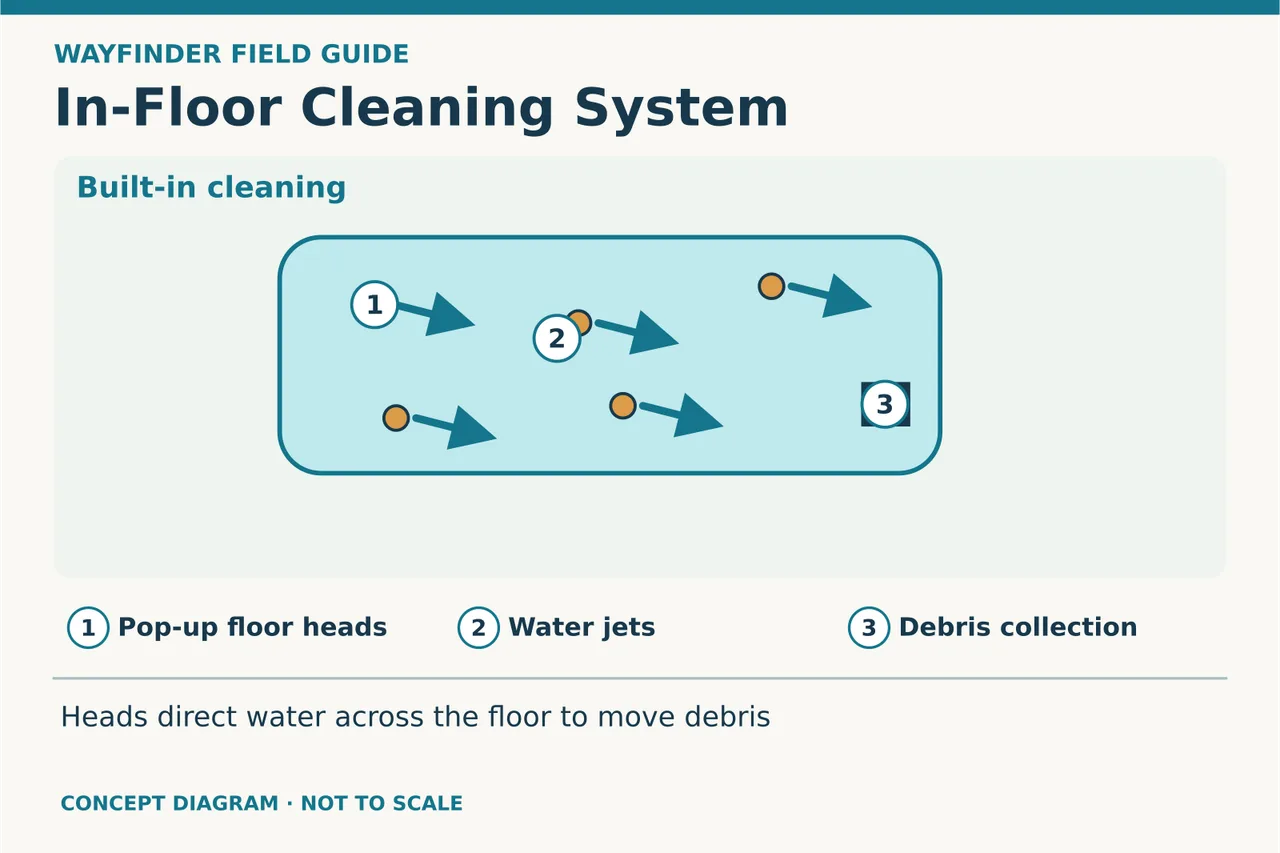
A pool-cleaning system that uses pop-up nozzles installed in the floor, steps, or benches to direct water and debris toward collection points.
Why It Matters
It can reduce manual cleaning and improve circulation, but it adds plumbing, equipment, installation complexity, and service considerations.
The final waterproof and decorative surface applied inside a concrete pool. Common interior finishes include white plaster, colored quartz, and pebble finishes such as StoneScapes or PebbleTec.
Why It Matters
Its color and texture strongly influence the pool water’s appearance.
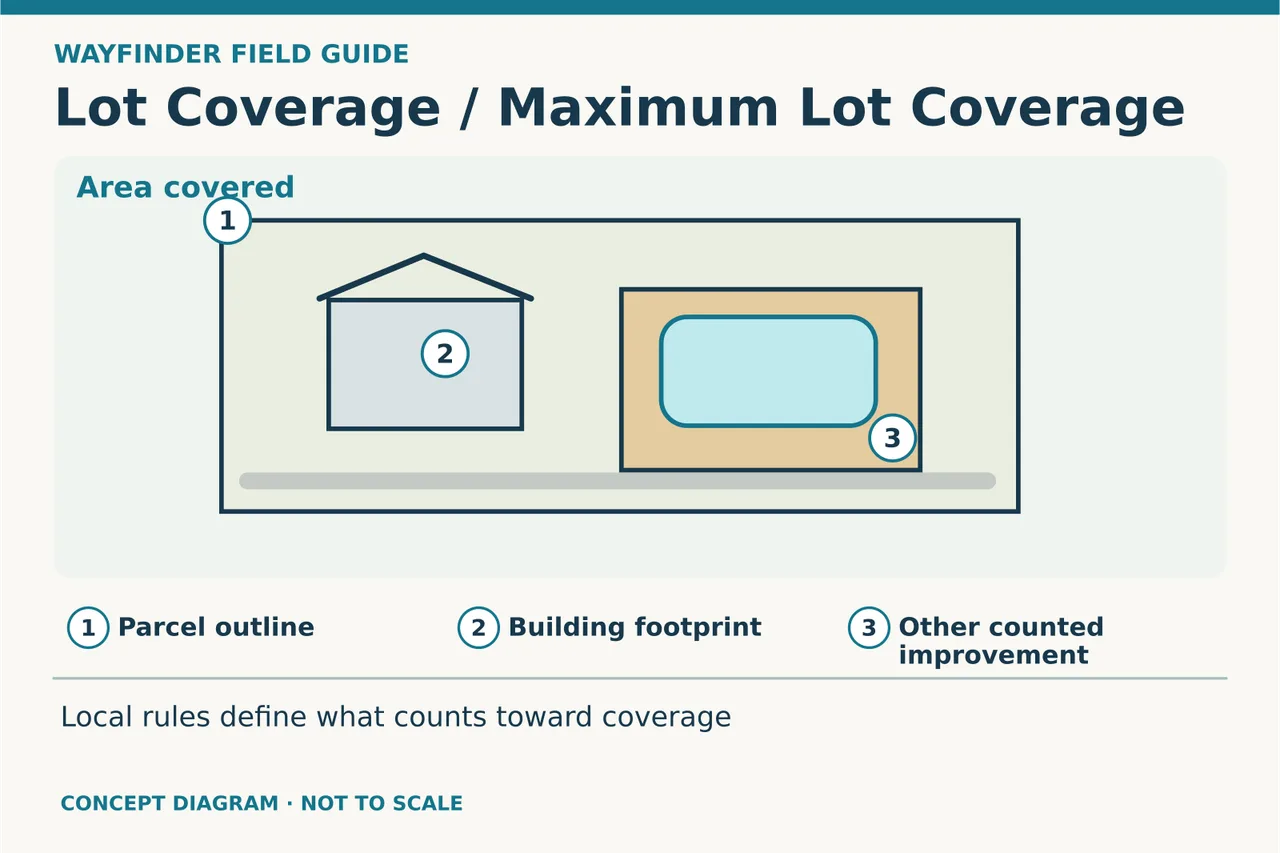
A zoning limit on how much of a property may be covered by buildings and other improvements. The exact items counted toward lot coverage vary by jurisdiction.
Why It Matters
A pool project can add patios, structures, walls, and other improvements that may push a property toward its allowed coverage limit. We may need to review the local calculation before the design is finalized.
Equipment & Systems
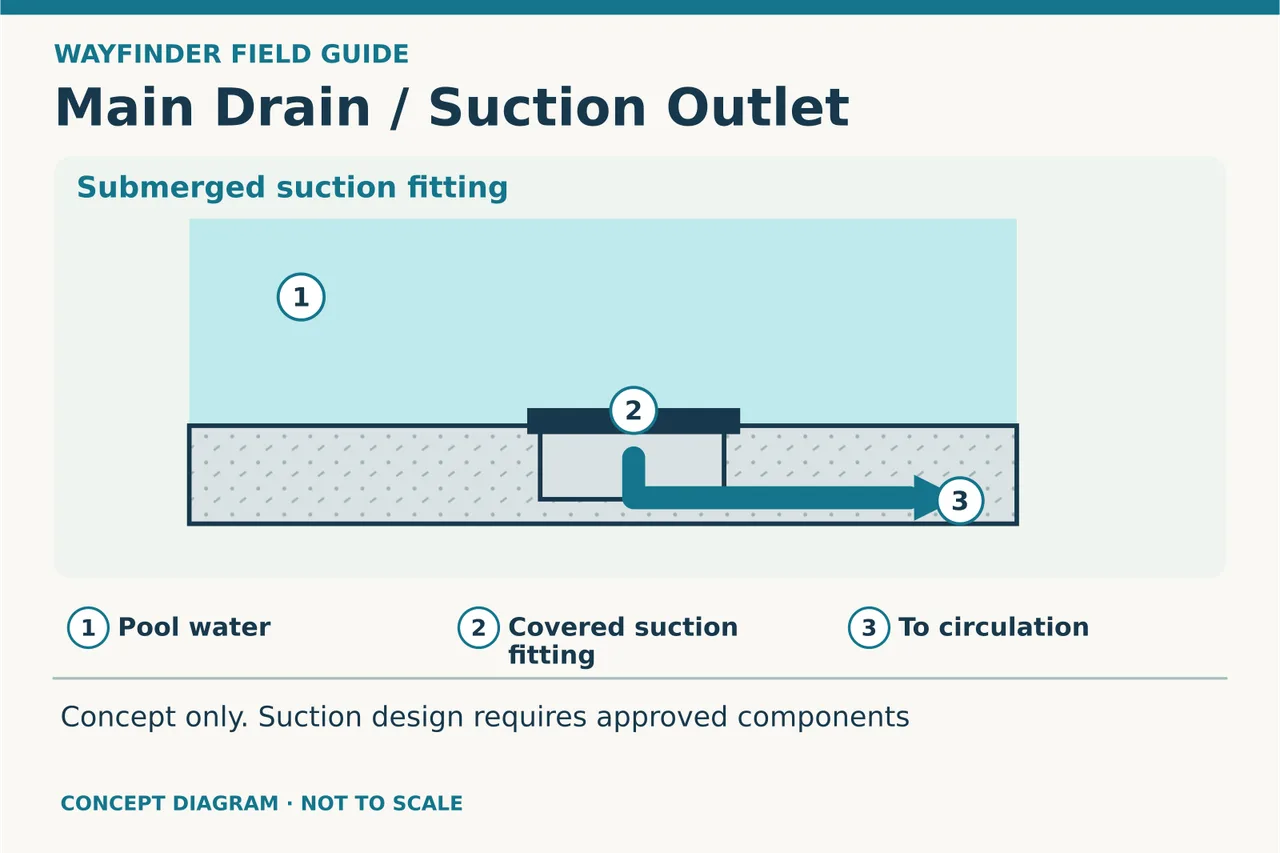
A submerged suction fitting, usually in the pool floor or lower wall, that draws water toward the circulation system.
Why It Matters
Every suction outlet needs an anti-entrapment cover that meets the federal standard set after the Virginia Graeme Baker Pool & Spa Safety Act (2007), and the system has to meet the entrapment-protection rules in the code your county enforces.
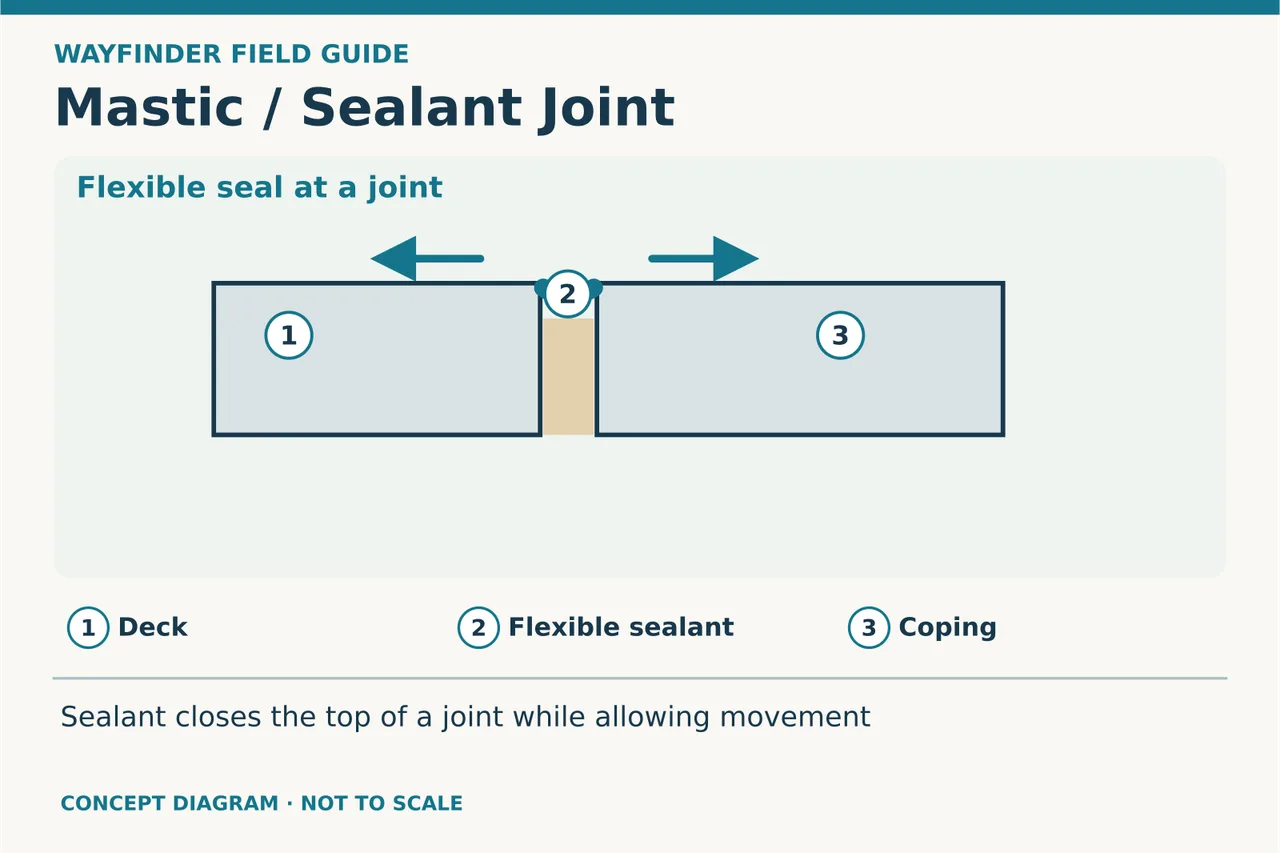
A flexible sealant used in joints around coping, decking, or transitions.
Why It Matters
It accommodates movement and helps keep water and debris out of open joints.
Design & Features
A permanently arranged outdoor cooking and entertaining area that may include a grill, counters, storage, refrigeration or a sink.
Why It Matters
Layout should account for circulation, utility connections, ventilation, weather exposure and clearances from combustible materials. Planning early helps integrate it with the poolscape.
Equipment & Systems
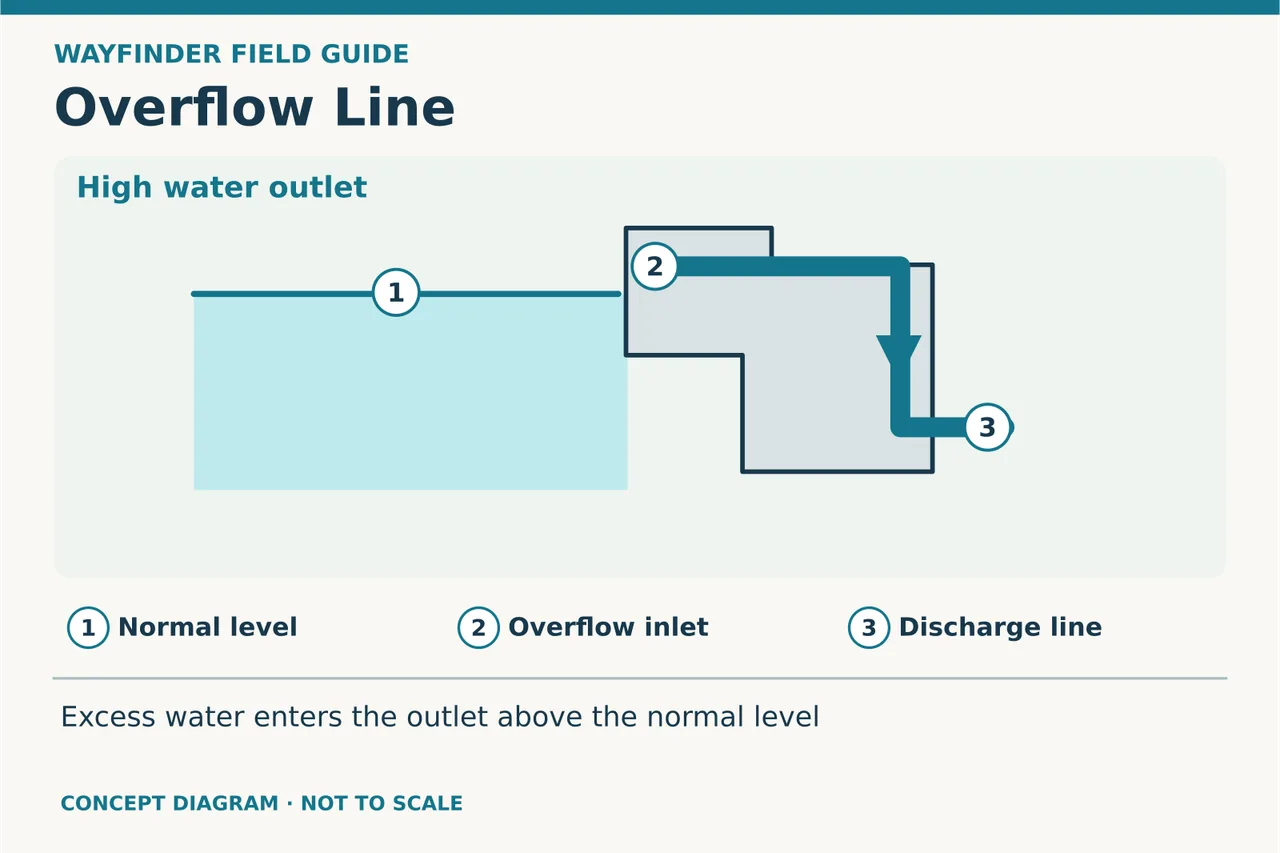
A pipe that allows excess pool water to discharge when the water level gets too high.
Why It Matters
It helps manage heavy rain or autofill conditions, but discharge must be planned correctly.
Construction & Materials
Individual manufactured or natural stone units installed as a paved surface.
Why It Matters
Each option affects appearance, traction, heat, drainage, upkeep and budget.
Design & Features
A freestanding or attached outdoor shelter typically having a solid roof for more substantial weather protection.
Why It Matters
Shade, roof drainage, structural loads, setbacks and utility needs influence placement and design.
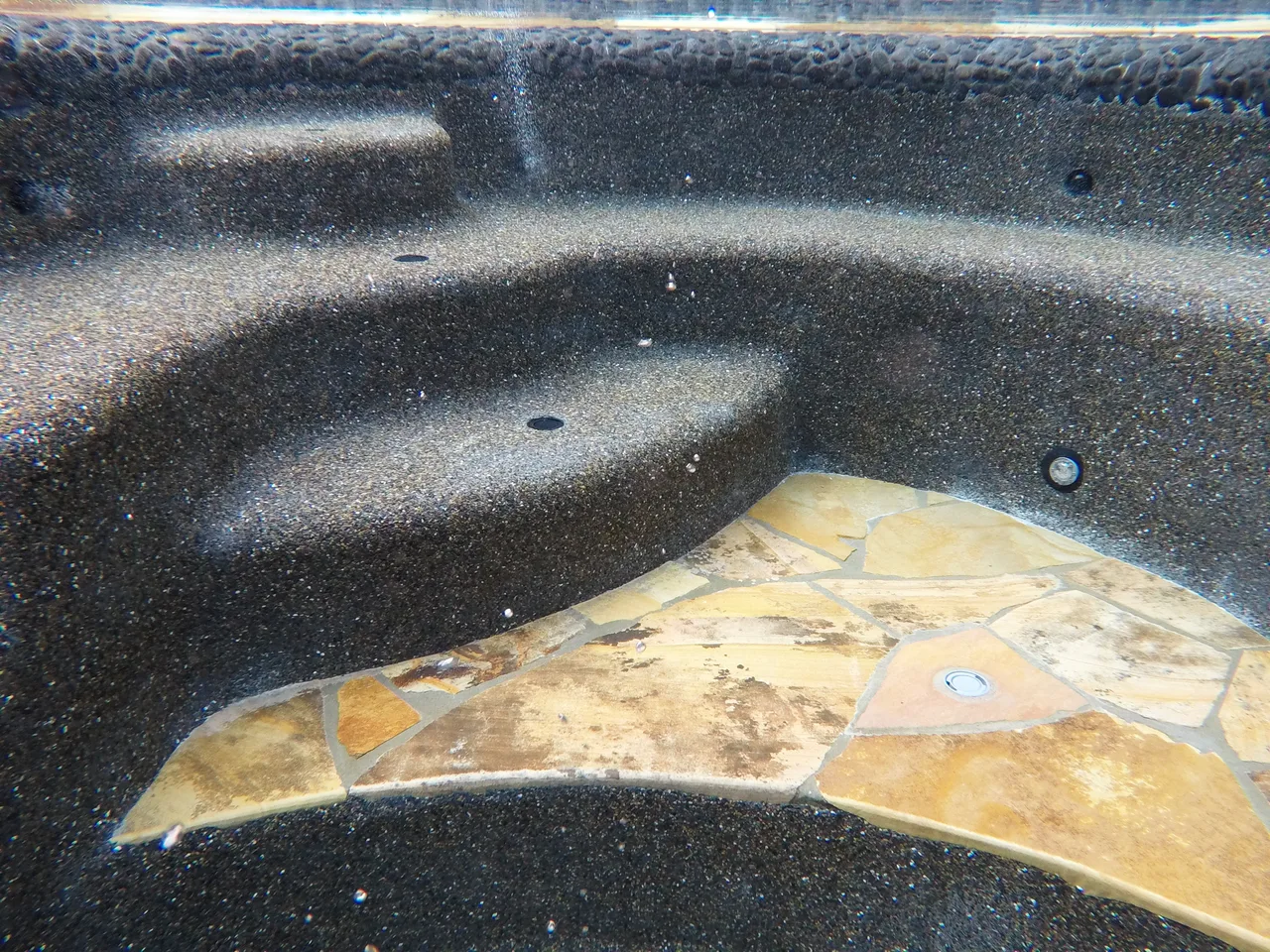
An interior finish that exposes small aggregate or pebbles within a cement-based surface.
Why It Matters
Pebble finishes typically carry a stronger warranty because they are significantly more durable than traditional plaster or quartz finishes. They are less abrasive and come in many color combinations. Mini pebble finishes have a smaller aggregate size than standard pebble finishes.
Design & Features
An outdoor overhead structure, often with an open or slatted roof, that provides partial shade and defines a space.
Why It Matters
Shade, roof drainage, structural loads, setbacks and utility needs influence placement and design.
Permits & Site Conditions
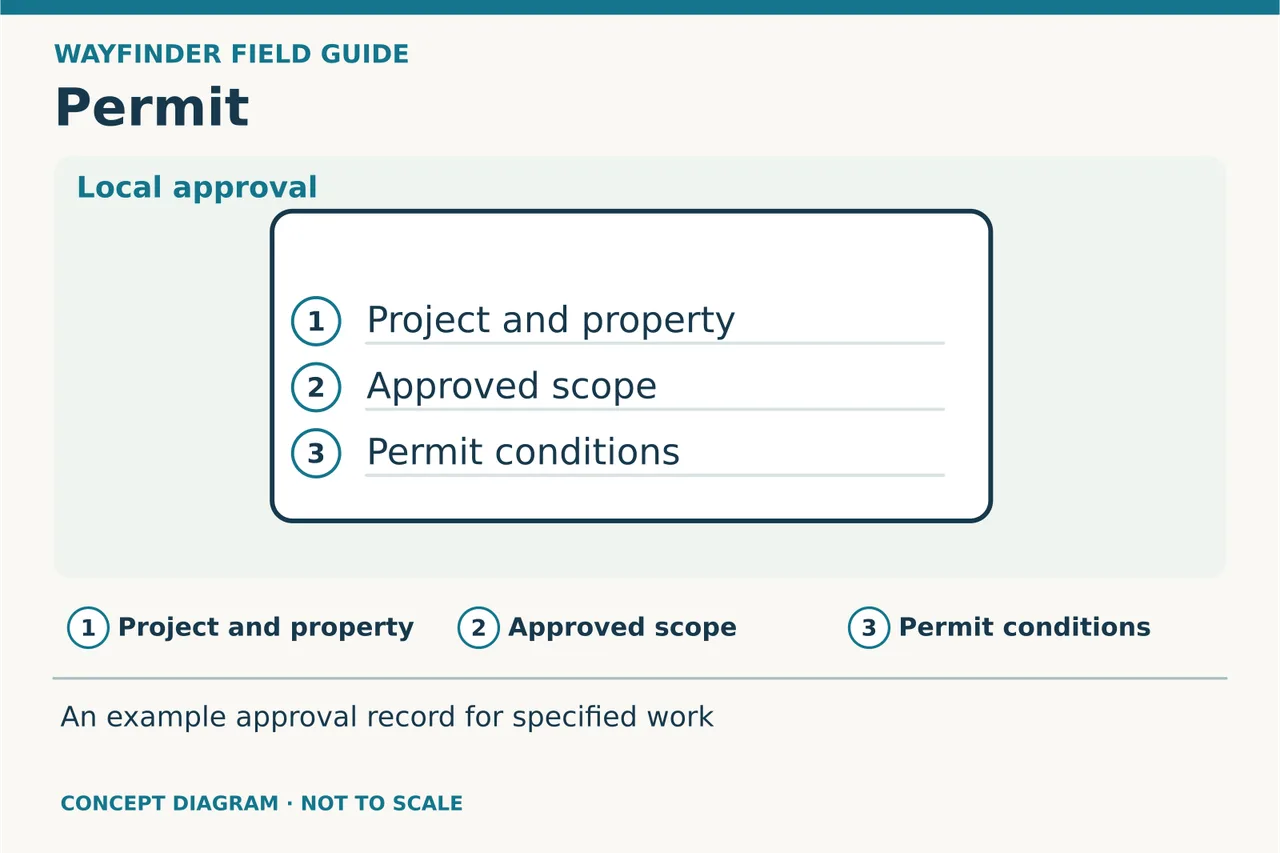
Official approval from a local authority allowing specified construction work to proceed.
Why It Matters
Pools may require building, electrical, plumbing, gas, zoning, or other approvals.
Water Chemistry
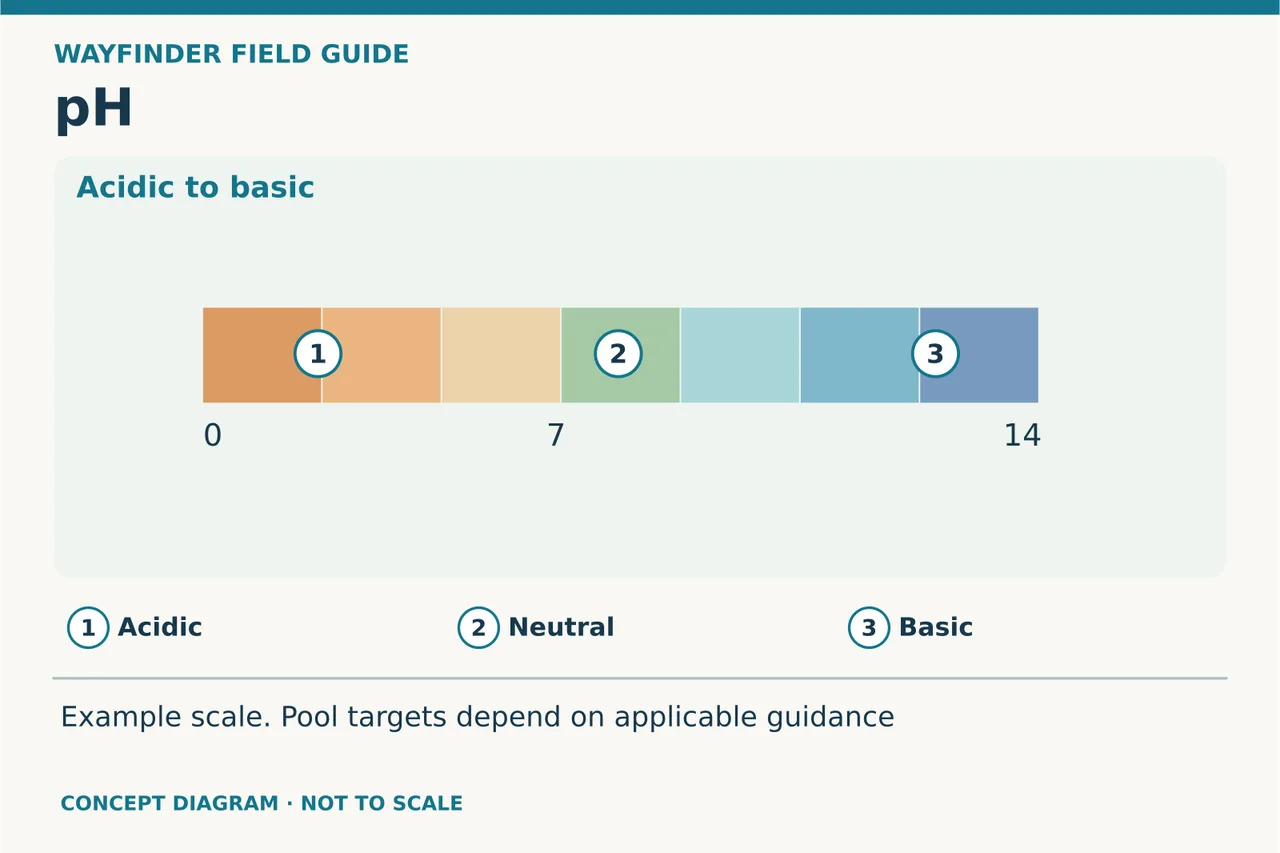
A scale that indicates how acidic or basic the pool water is.
Why It Matters
Incorrect pH affects comfort, sanitizer performance, scaling, corrosion, and finishes.
Design & Features
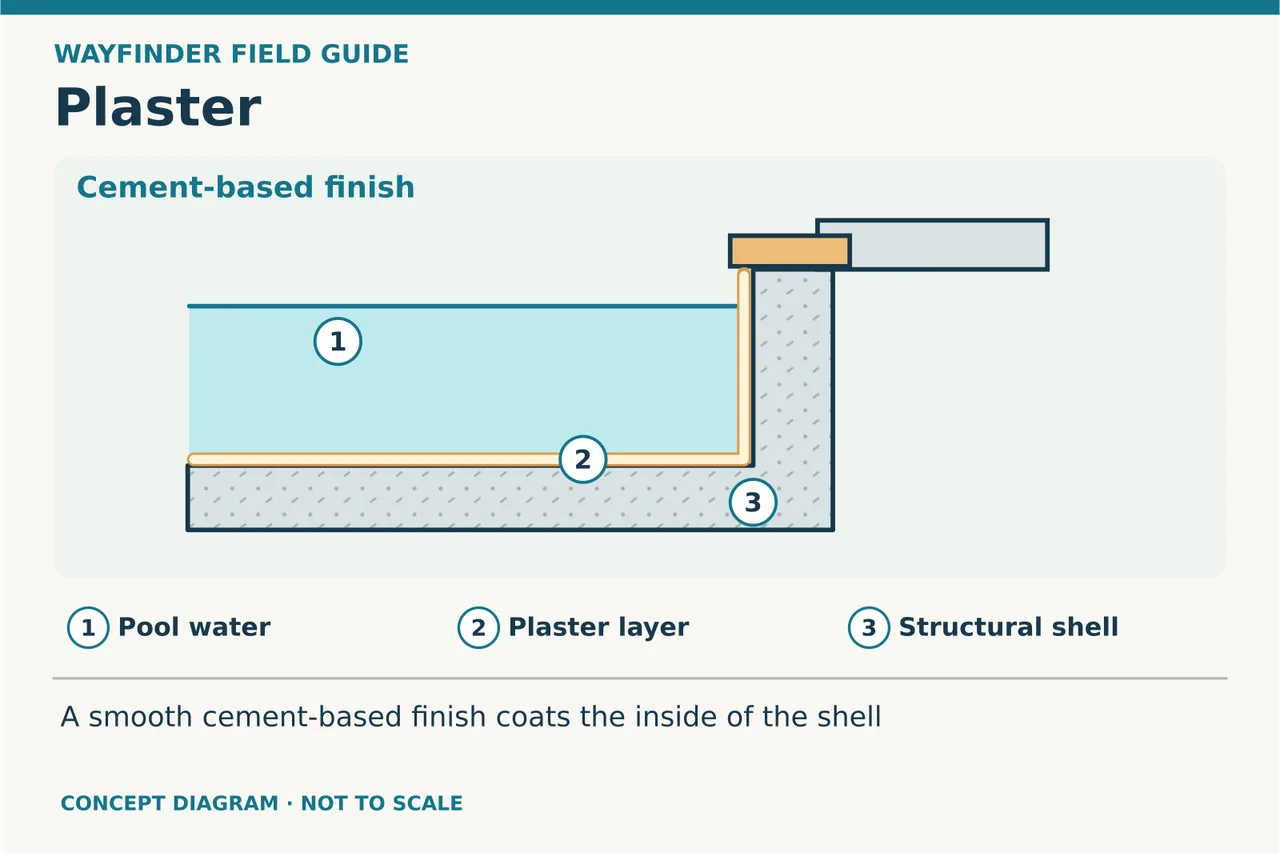
A traditional cement-based interior finish used on concrete pools.
Why It Matters
It is generally smoother and simpler than many exposed-aggregate finishes, but can be more abrasive (like sandpaper) causing abrasion injuries to feet and hands during long swims.
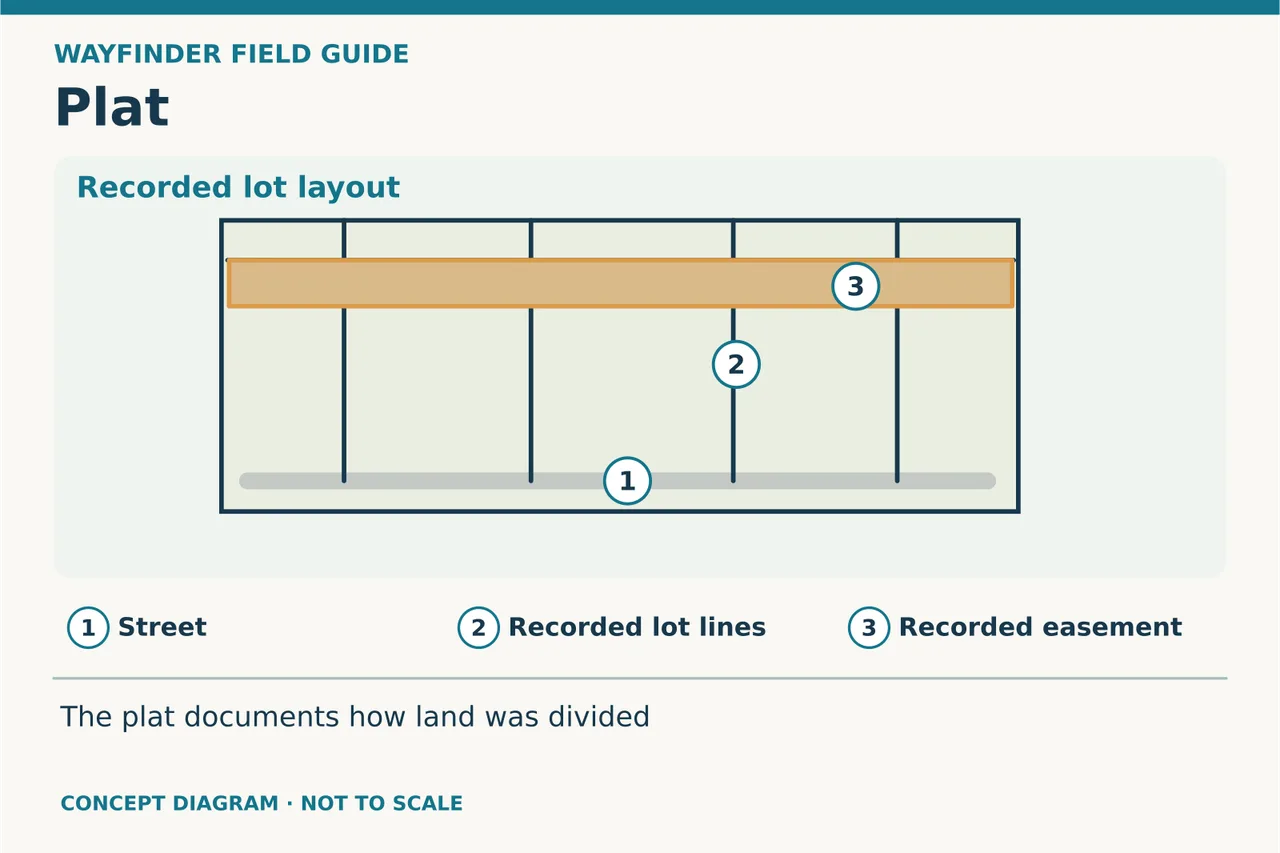
A recorded map that shows how land is legally divided into lots, streets, easements, and other recorded features. A subdivision plat may show the legal lot configuration but usually does not show the same level of current, field-measured detail as a property survey.
Why It Matters
A plat can help us understand the legal layout of the property and recorded easements, but it may not be sufficient by itself for precise pool design or permitting.
Permits & Site Conditions
A fence, wall or other approved enclosure that restricts unsupervised access to a pool. Georgia’s 2024 pool code generally requires a barrier at least 48 inches high, with pedestrian gates that open away from the pool and close and latch automatically. A house wall may form part of the barrier if access openings meet the required safeguards, such as approved alarms or another permitted protection method.
Why It Matters
Plan the enclosure early; local requirements and site conditions can affect layout and final inspection. A barrier never replaces active supervision.
Design & Features
Underwater or pool-area lighting used for visibility, atmosphere and nighttime enjoyment. Fixtures may offer white or color-changing LED light.
Why It Matters
Fixture placement, glare, controls and electrical safety should be considered during design; underwater lighting is not a substitute for supervision or safe deck lighting.
Design & Features
A purpose-designed feature that allows users to slide into the pool. It may be a standalone manufactured slide or integrated into a custom landscape feature.
Why It Matters
Slide selection affects footprint, landing-water depth, clearances, access and water supply. Use approved equipment and installation requirements; do not assume every pool can accommodate a slide.
Construction & Materials
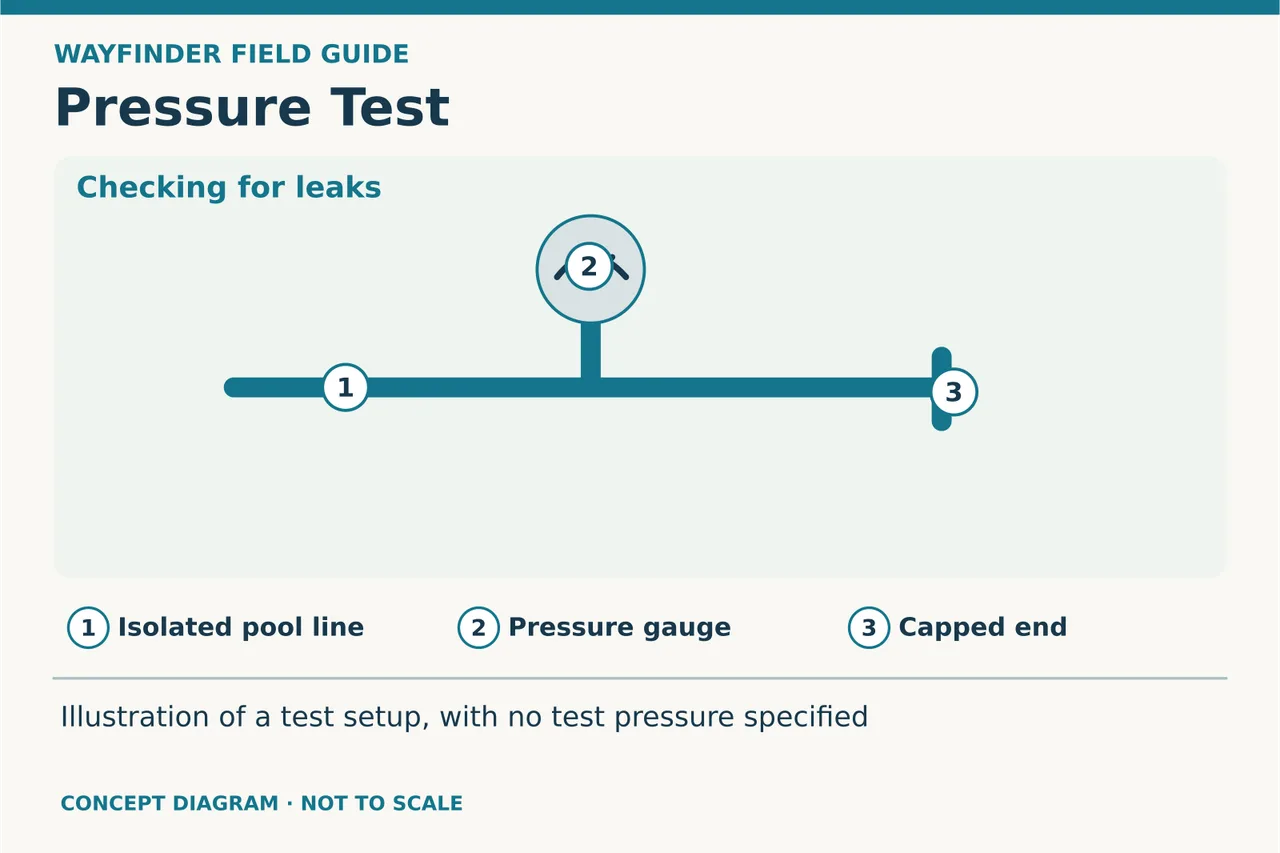
A test that places plumbing lines under pressure to check for leaks before they are buried or covered.
Why It Matters
It is an important quality-control step before later work makes pipes difficult to access.
Equipment & Systems
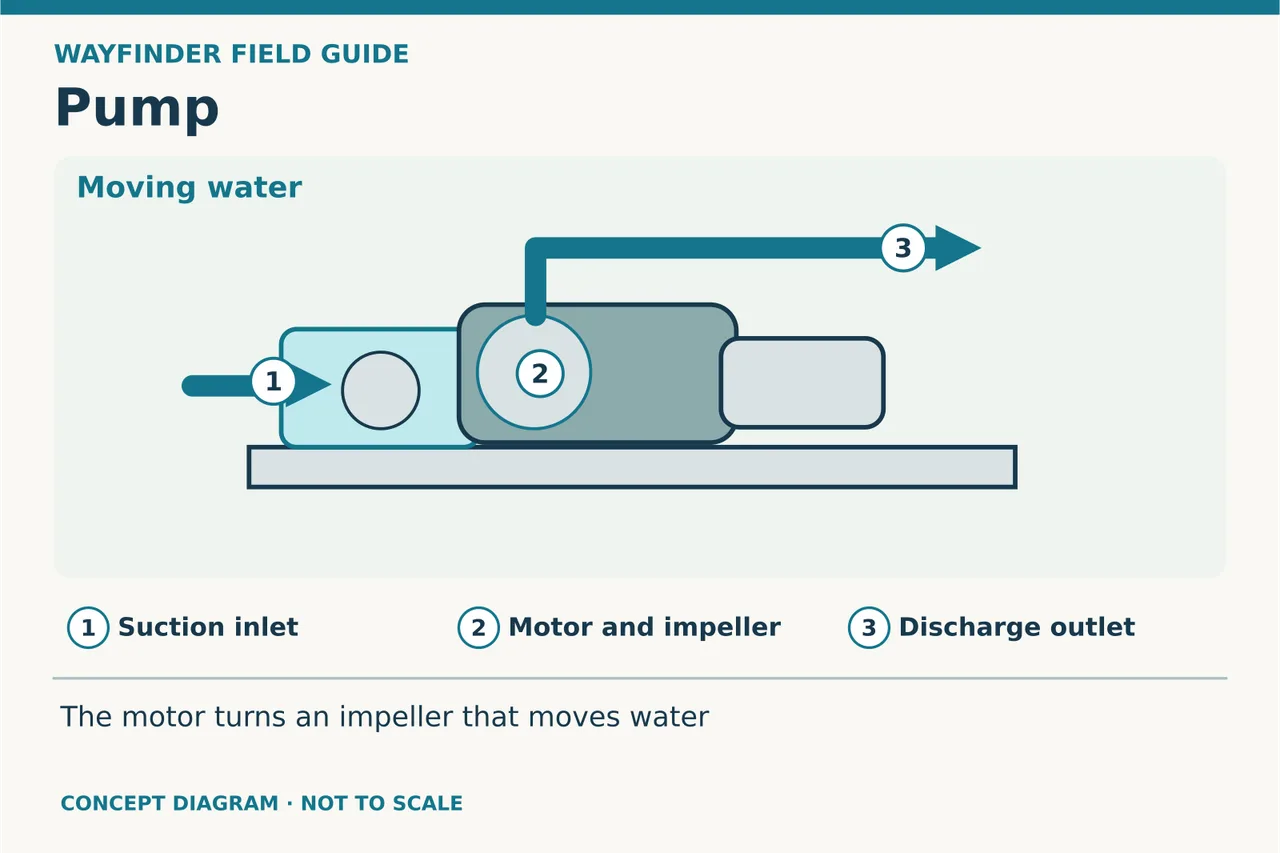
The motor-driven equipment that moves water through the pool circulation system.
Why It Matters
Pump selection affects circulation, water features, heating, energy use, and noise.
Construction & Materials
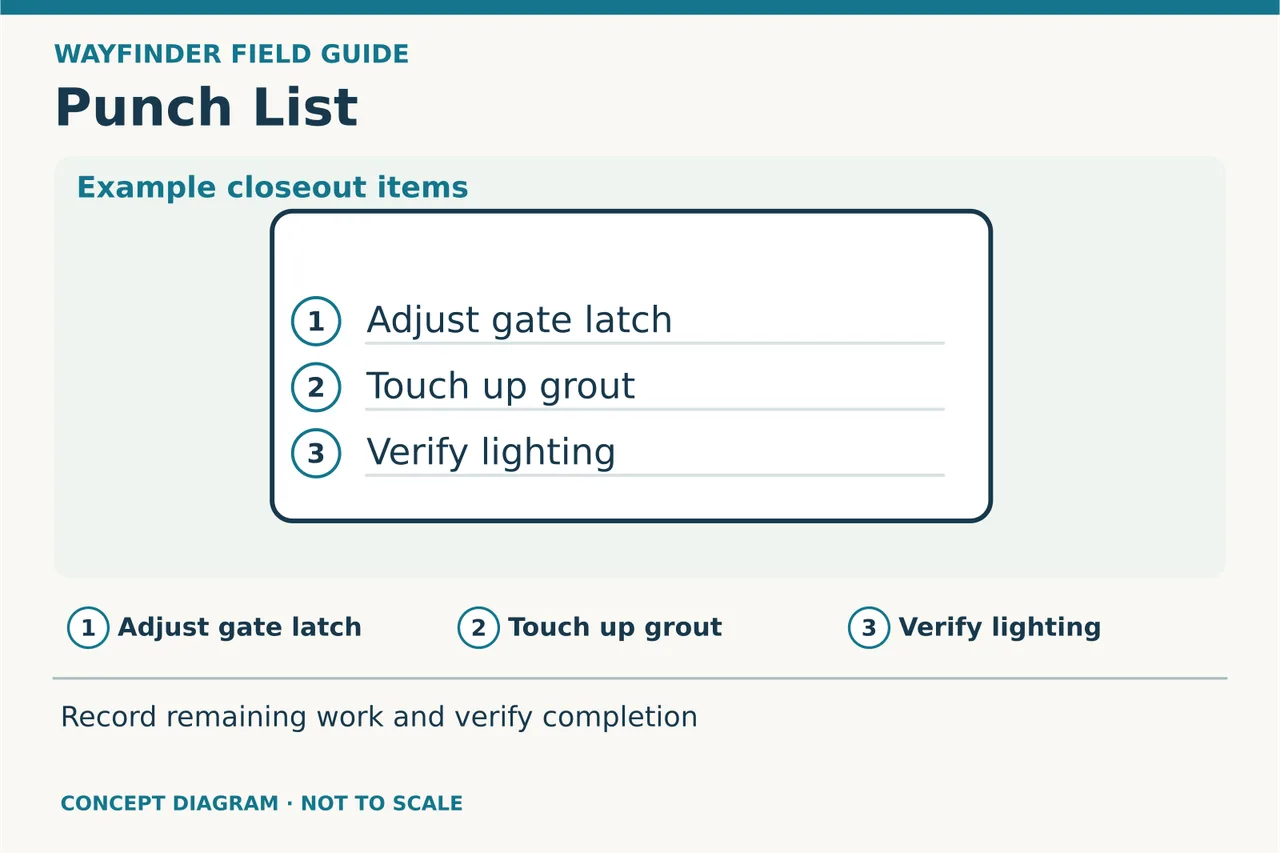
A list of incomplete or corrective items identified near the end of a project.
Why It Matters
It helps organize final completion items before the project is fully closed out.
Construction & Materials
A portion of the pool wall that extends above the normal deck elevation.
Why It Matters
It can add seating, elevation change, water features, and architectural interest.
Design & Features
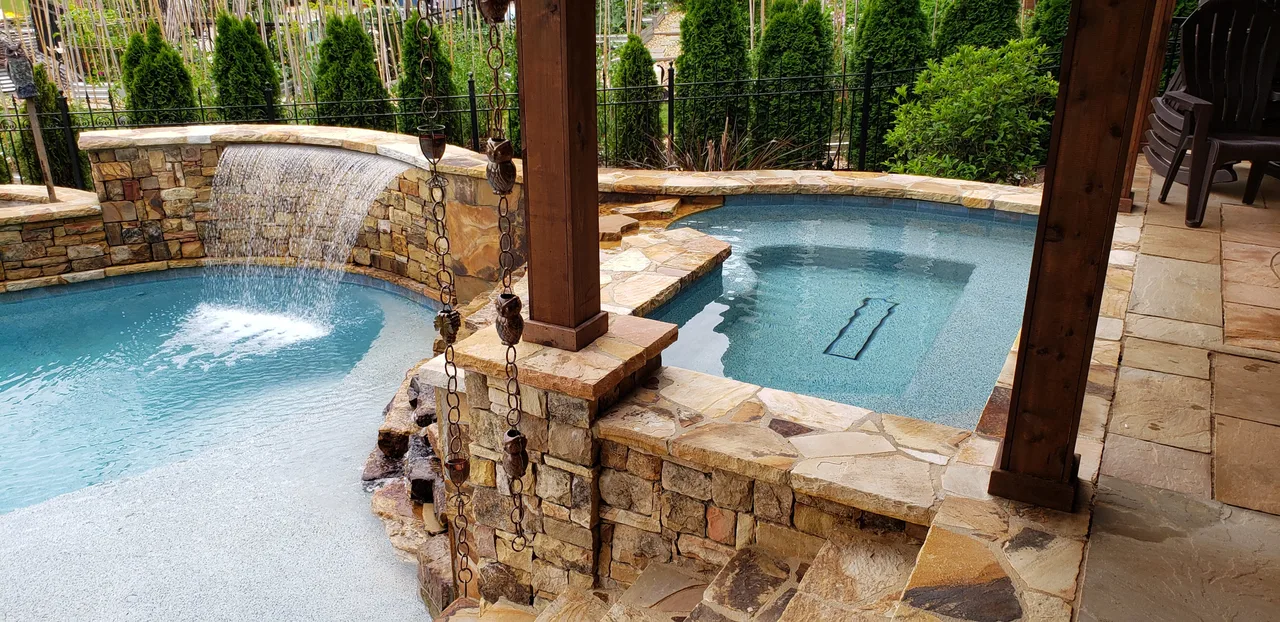
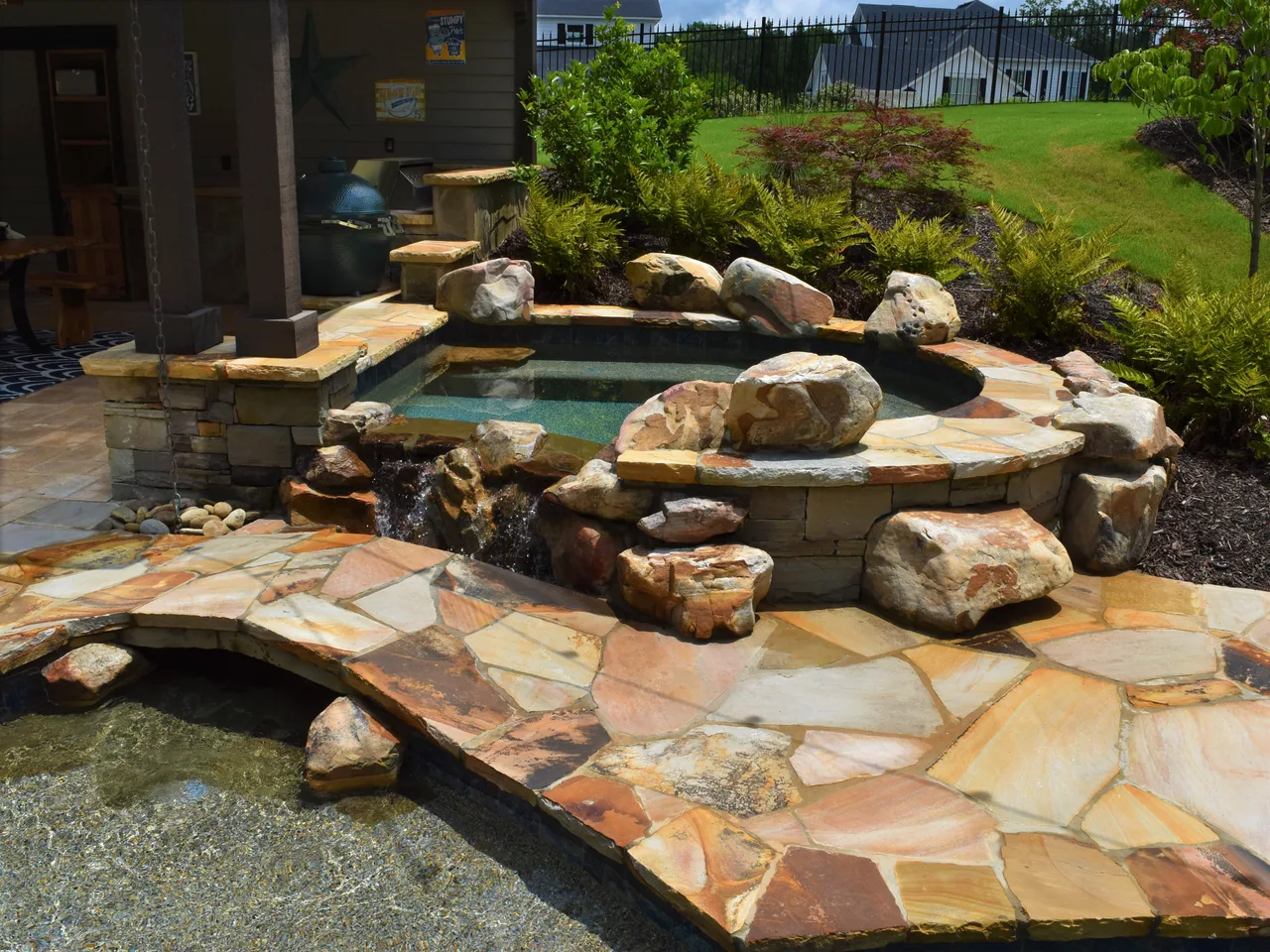
A spa constructed above the pool water level, often with a spillway into the pool.
Why It Matters
It creates a strong visual feature but adds structure, finish area, and hydraulic complexity.
Construction & Materials
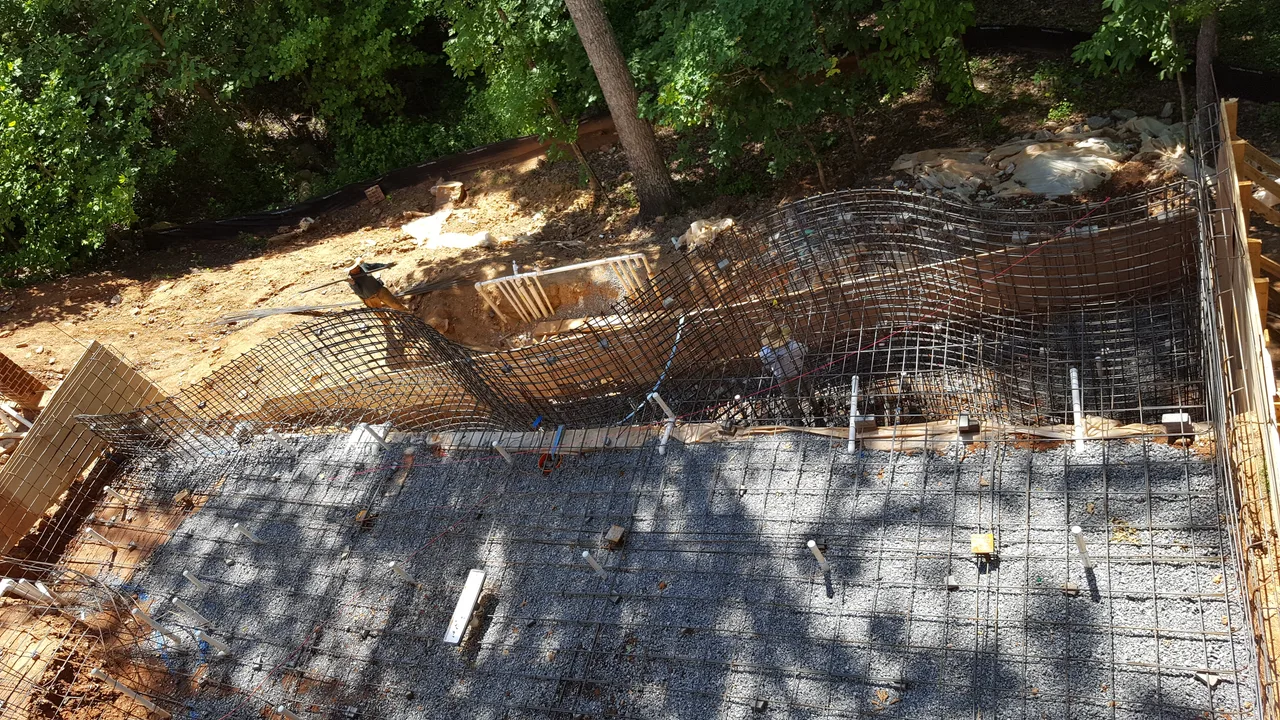
Steel bars installed inside the pool shell and concrete structures to reinforce them.
Why It Matters
The steel layout is a major part of the pool’s structural system.
Construction & Materials
A wall designed to hold back soil where ground elevations change.
Why It Matters
It can add substantial cost because of engineering, drainage, excavation, footings, and access.
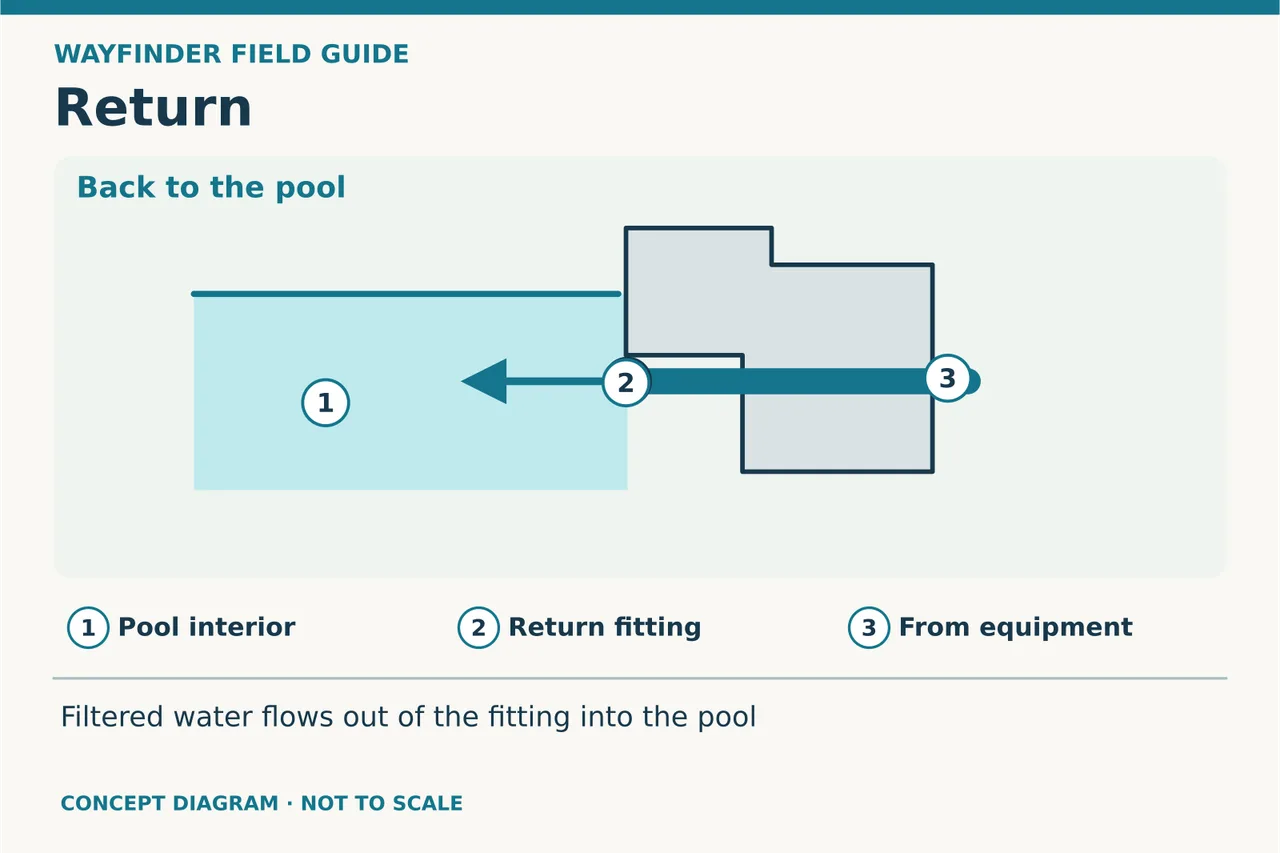
A fitting that sends filtered and treated water back into the pool.
Why It Matters
Return placement and direction help create circulation throughout the pool.
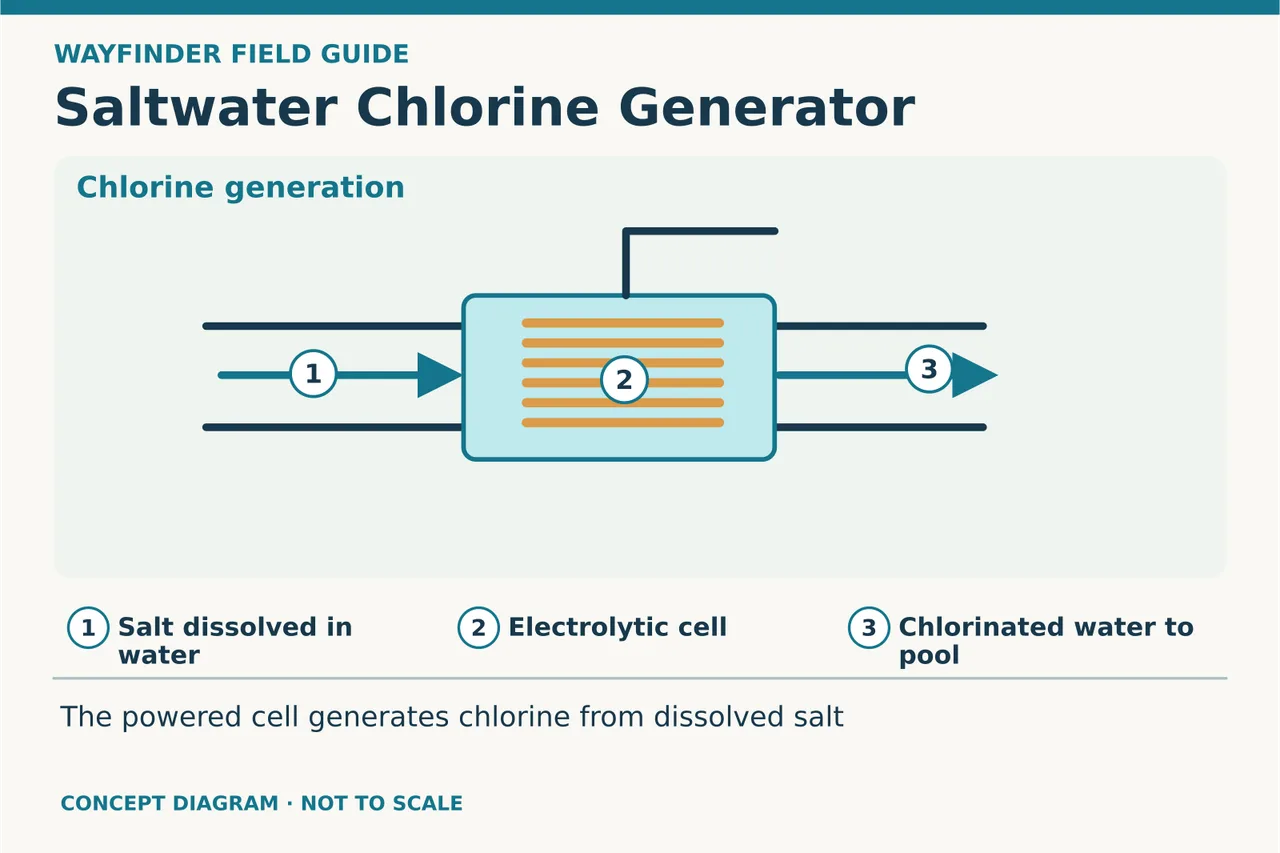
A system that uses dissolved salt and an electrolytic cell to generate chlorine.
Why It Matters
A salt pool is still a chlorine pool; it simply produces much of its chlorine on site.
See also: What is the difference between a saltwater pool and a traditional chlorine pool?
Equipment & Systems
A pool filter that passes circulating water through a bed of filter media to trap suspended particles. Accumulated debris is removed by backwashing according to the equipment instructions.
Why It Matters
Filter choice affects maintenance routines, water use, equipment space and filtration performance.
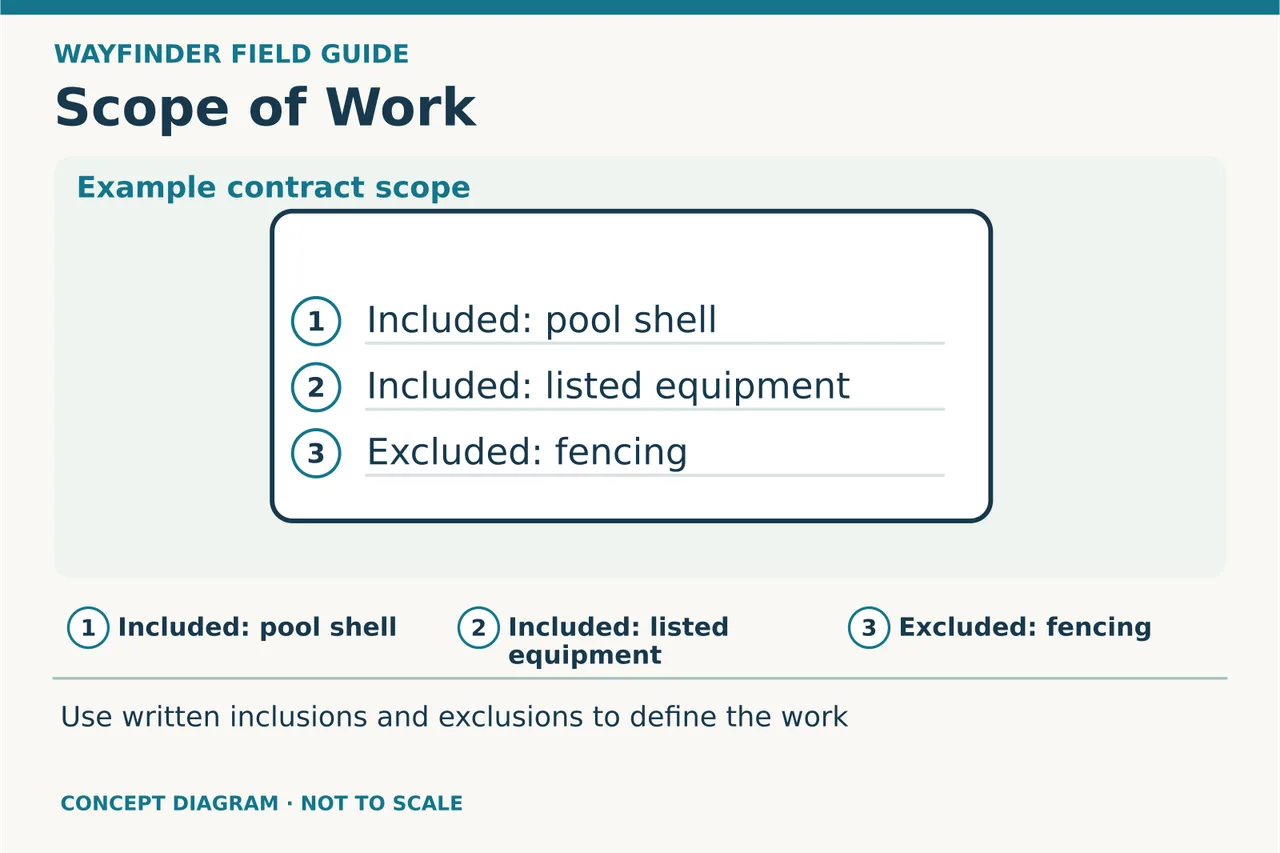
The written description of what the builder is and is not including in the project.
Why It Matters
A clear scope helps buyers compare proposals and understand exclusions, allowances, and responsibilities.
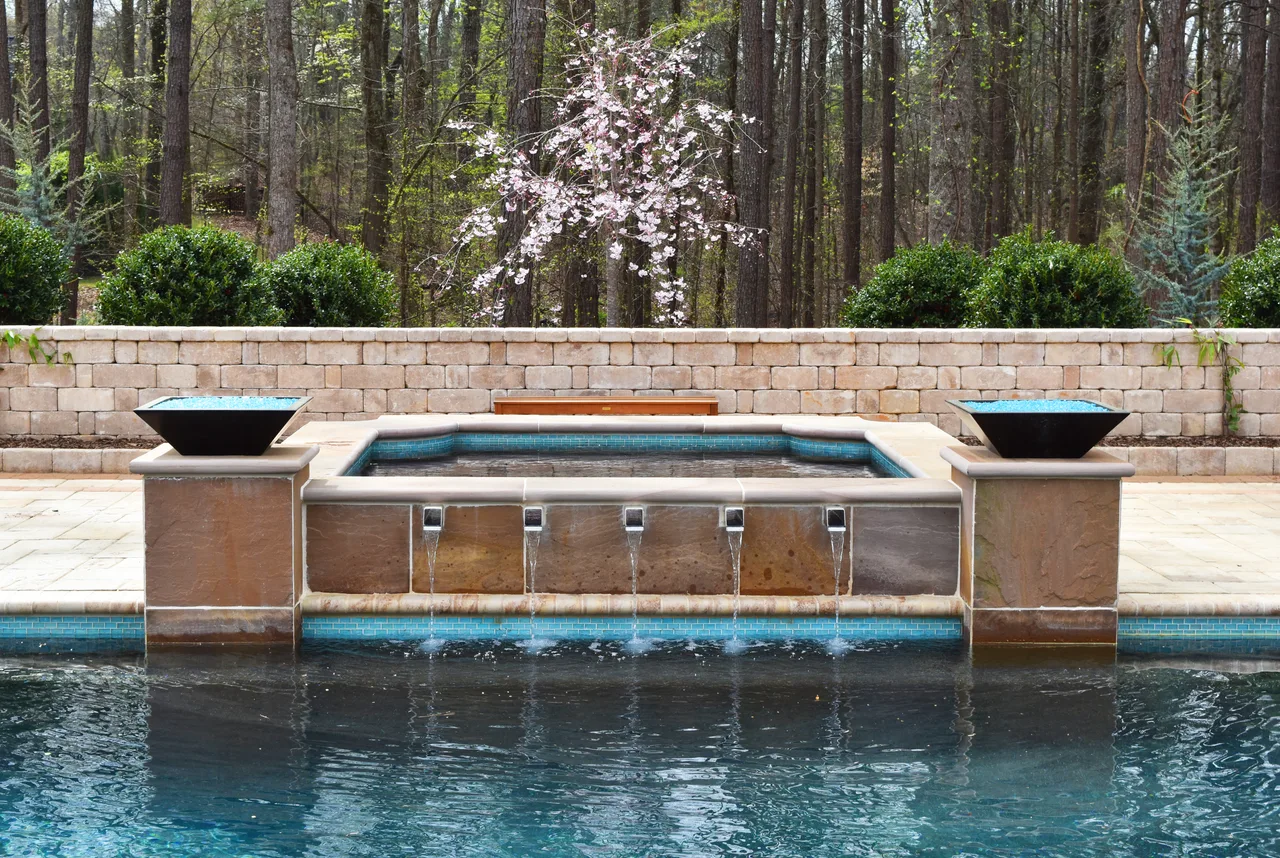
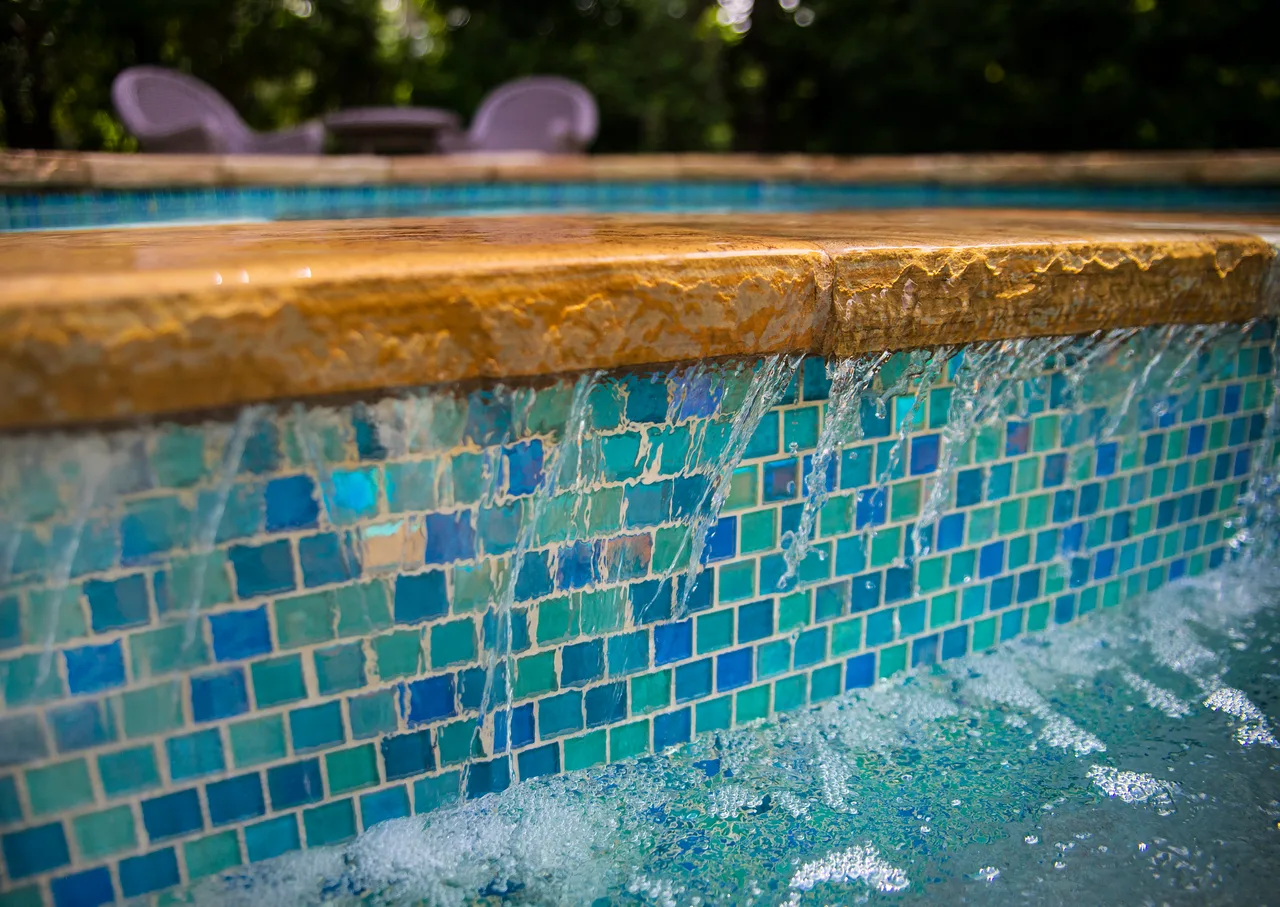
A wall-mounted outlet or spout that sends a stream or sheet of water into the pool or spa.
Why It Matters
The size, material, elevation, and flow rate affect the appearance and sound, and the feature must be coordinated with the pool’s plumbing and pump system.
Permits & Site Conditions
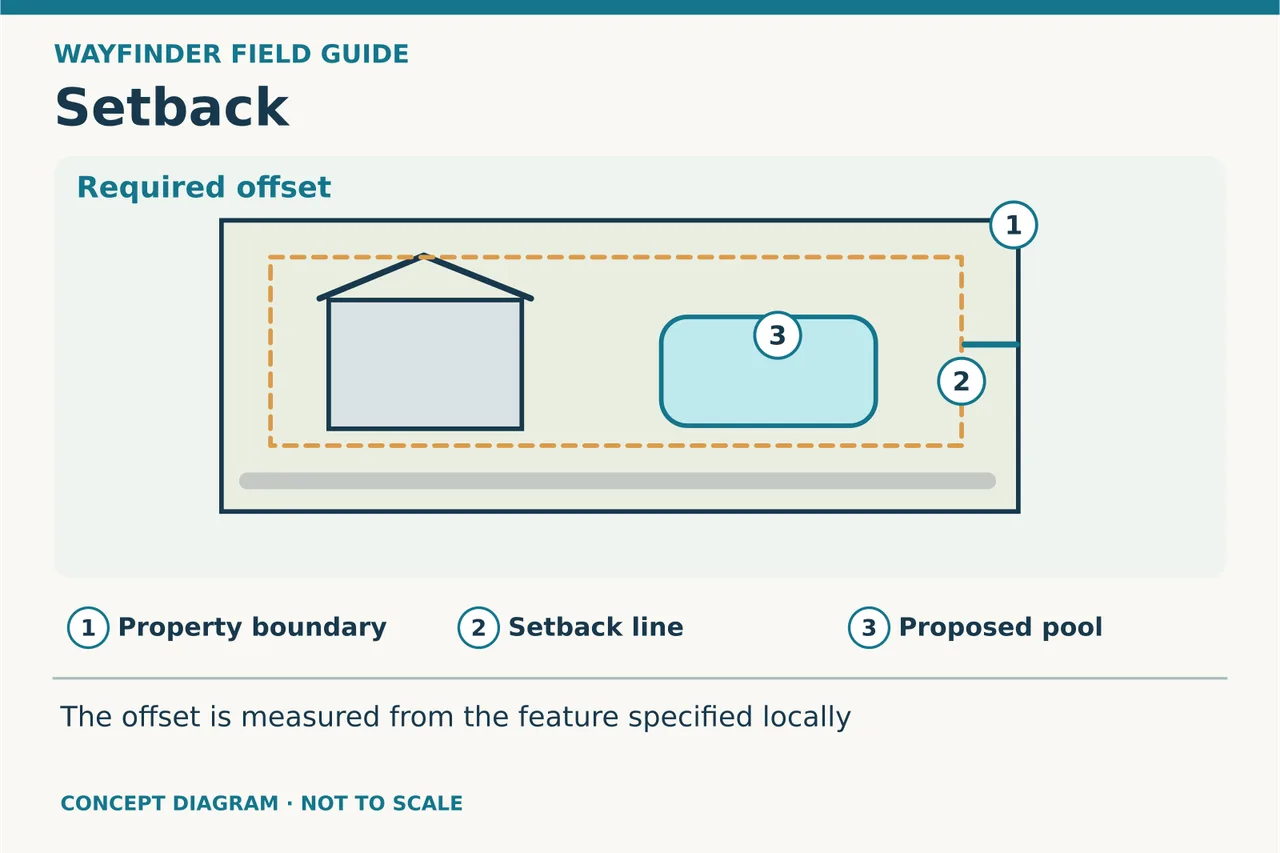
A required minimum distance between a pool or structure and a property line, building, septic area, street, or other regulated feature.
Why It Matters
Setbacks can reduce the buildable area and should be known early in design.
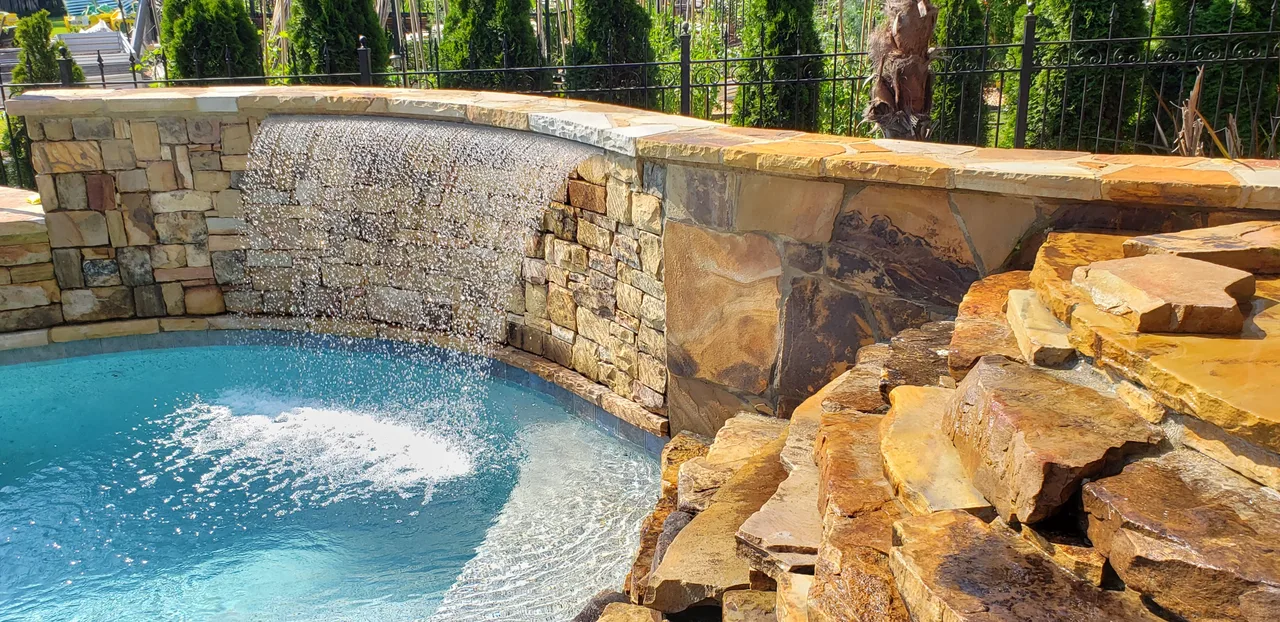
A water feature that sends a smooth sheet of water from a narrow horizontal opening, commonly installed in a raised wall.
Why It Matters
Its width, height, water flow, wind exposure, and pump design all influence how cleanly the sheet of water falls and how the feature sounds.
Construction & Materials
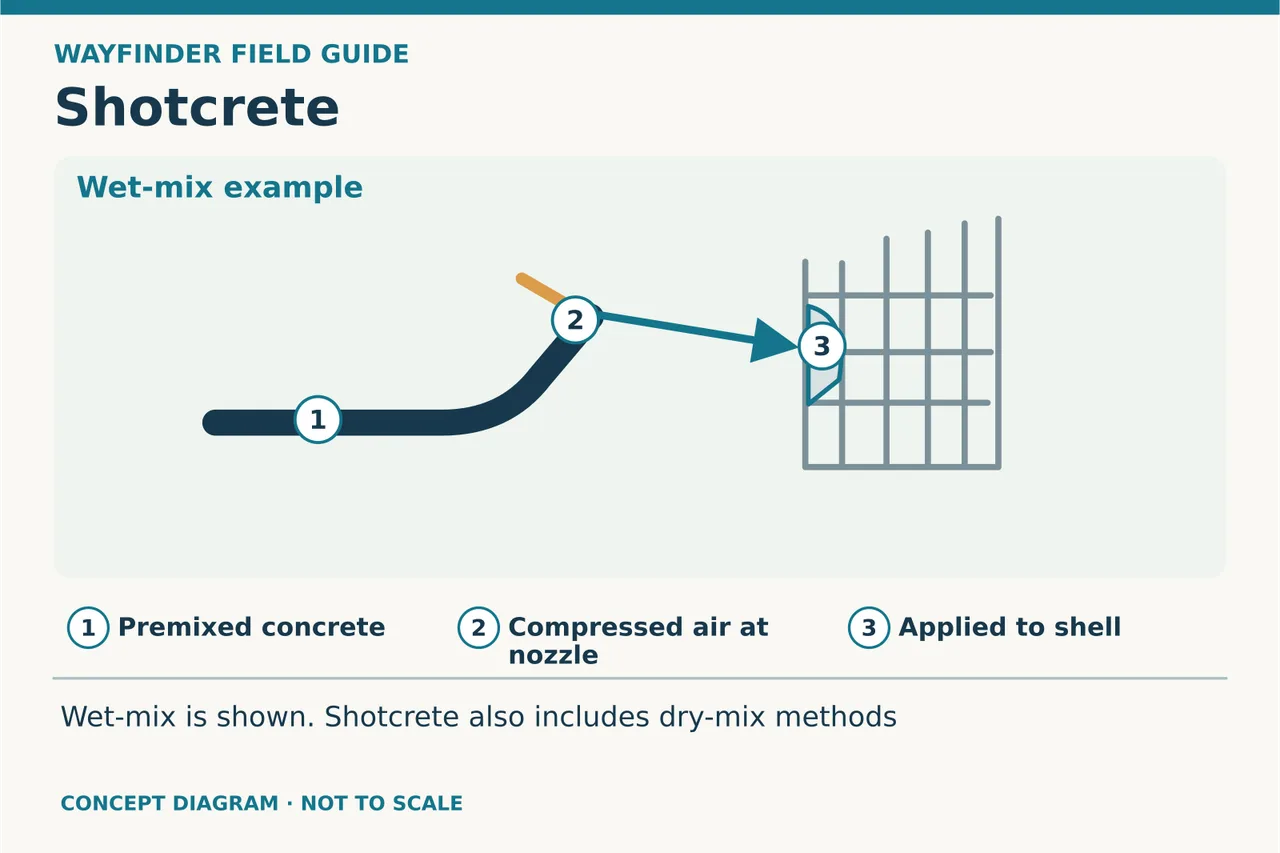
Wet-mixed concrete that is pneumatically sprayed through a hose onto the pool’s reinforcing steel and forms.
Why It Matters
Like gunite, it creates a monolithic concrete shell, but the mixing process is different.
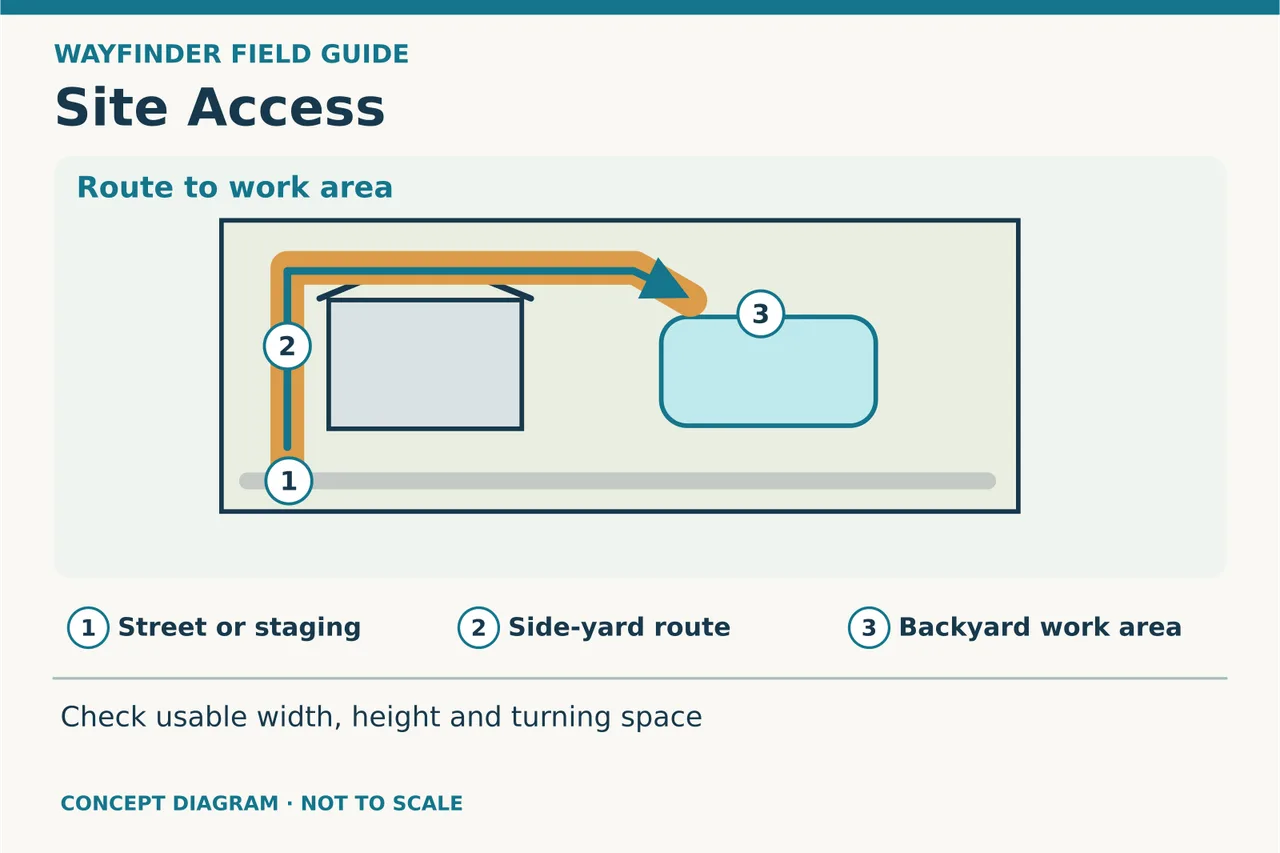
The path and working space available for excavation equipment, trucks, deliveries, and crews to reach the backyard.
Why It Matters
Restricted access can change equipment choices, labor, schedule, and cost.
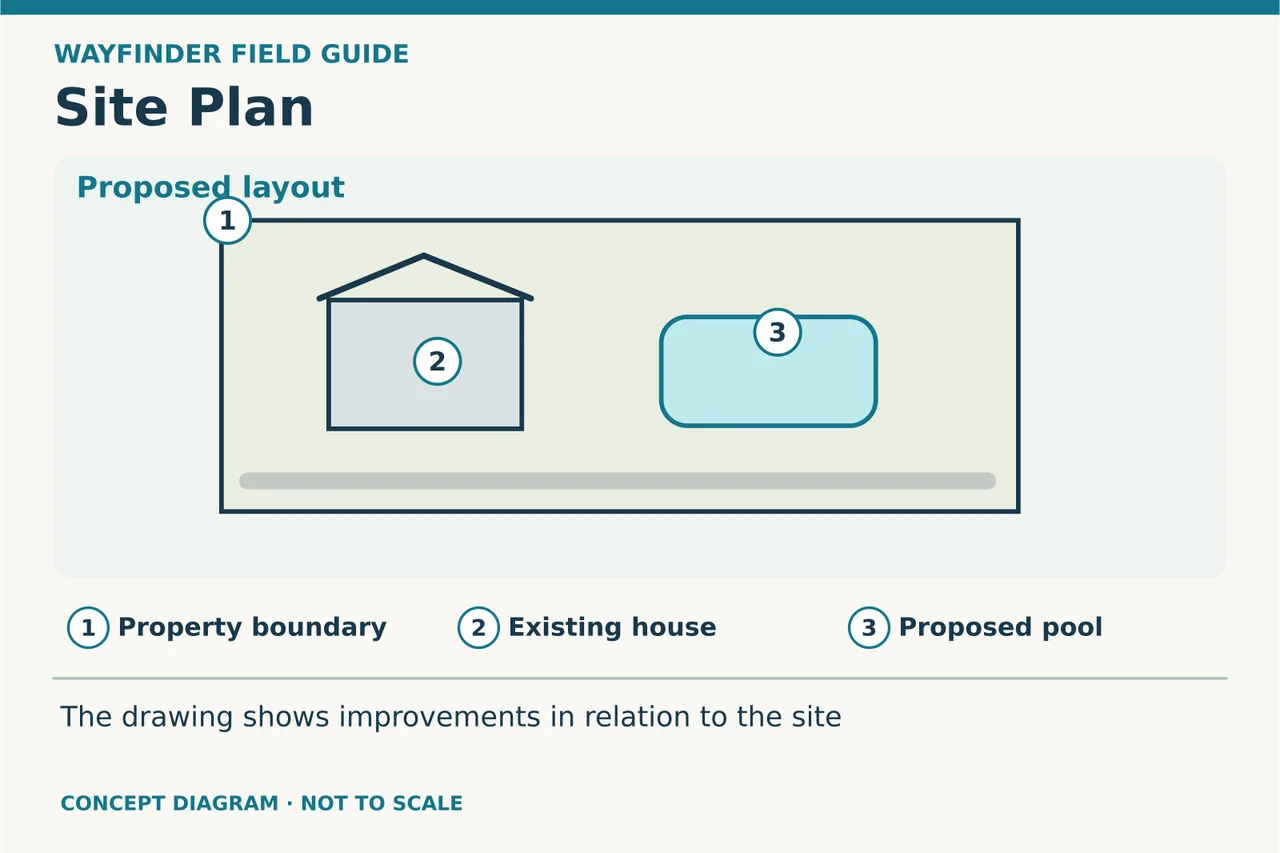
A drawing that shows the proposed project in relation to property lines, the house, setbacks, easements, existing conditions, and other site features. It may also include dimensions, grading, drainage, trees, utilities, or other permitting information.
Why It Matters
A site plan is often one of the primary drawings used to show a permitting authority how the proposed pool and related improvements fit on the property.
Equipment & Systems
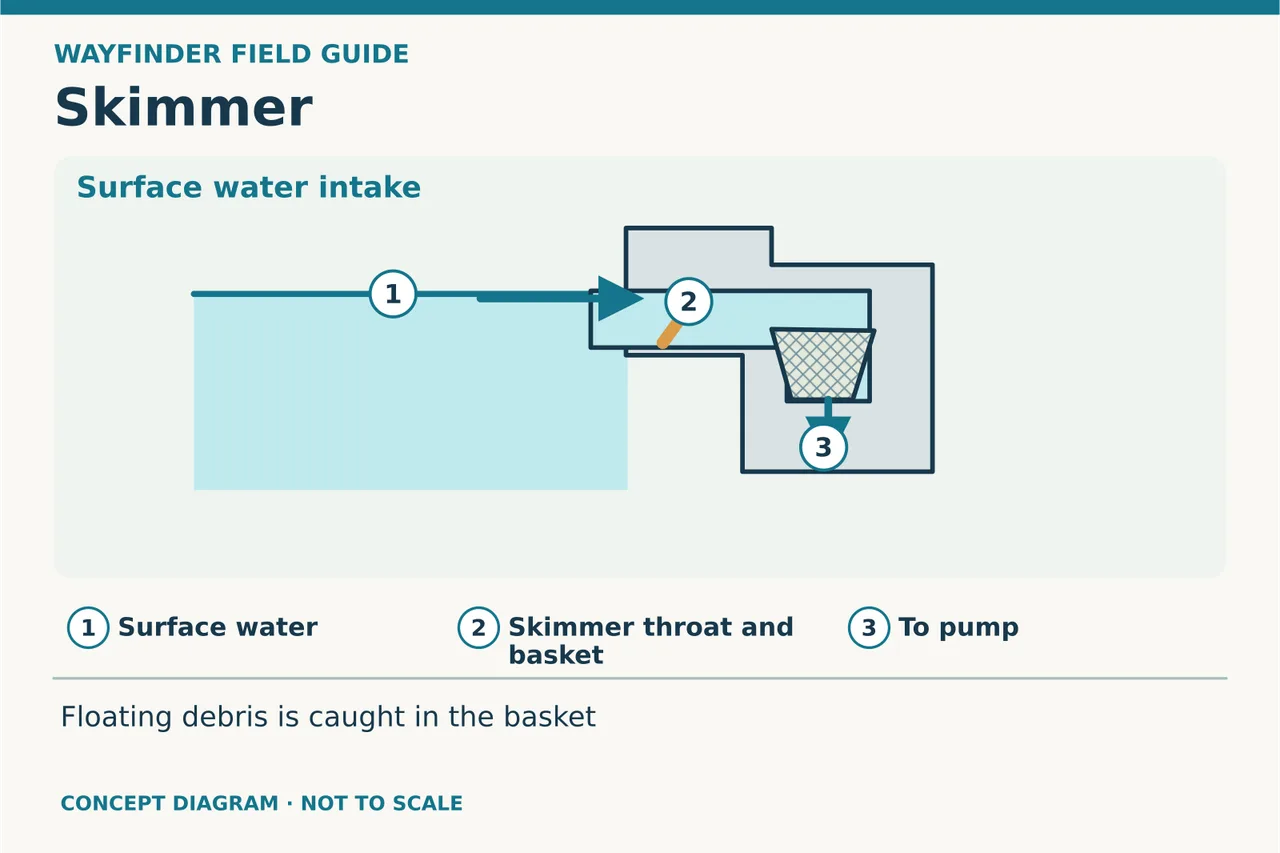
A fitting at the waterline that pulls surface water into the circulation system and catches floating debris in a basket.
Why It Matters
Skimmer quantity and placement affect how well surface debris is collected.
Design & Features
A small body of heated water designed for soaking and relaxation, often with seats and hydrotherapy jets. A spa may be integrated with the pool at water level (flush) or elevated (raised), or may be a standalone unit.
Why It Matters
Placement and configuration influence access, heating, plumbing, appearance and cost.
The opening or edge where water from a raised spa flows into the pool.
Why It Matters
Its width, material, elevation, and flow rate influence both sound and appearance.
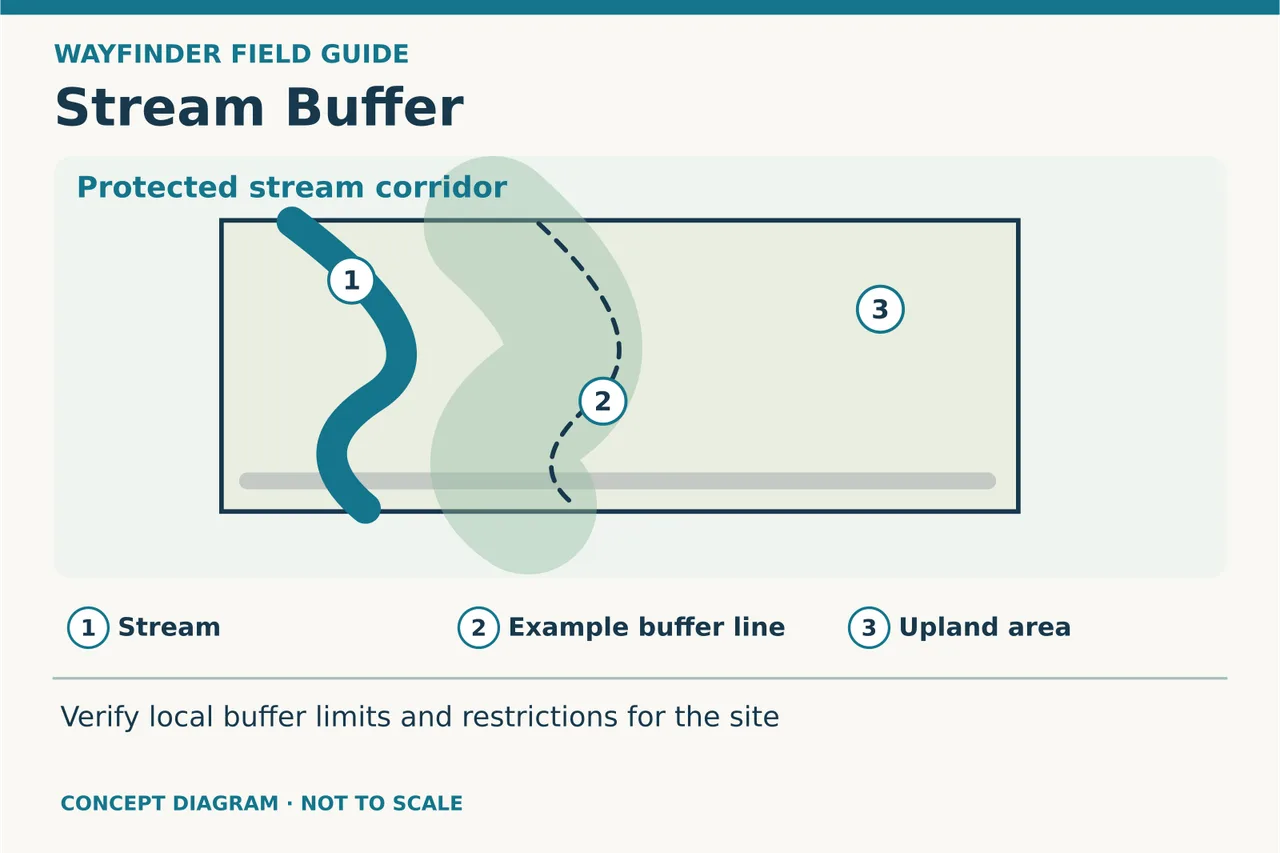
A protected area beside a stream where land disturbance is restricted. Georgia generally requires 25 feet along regulated state waters and 50 feet along designated trout waters, subject to exceptions. Local requirements can be wider: Sandy Springs requires a minimum 75-foot stream buffer, and Atlanta generally requires 75 feet, with wider protection in specified areas.
Why It Matters
Buffers can limit where pools, decks, walls and grading are allowed; measurement rules and exceptions vary.
Construction & Materials
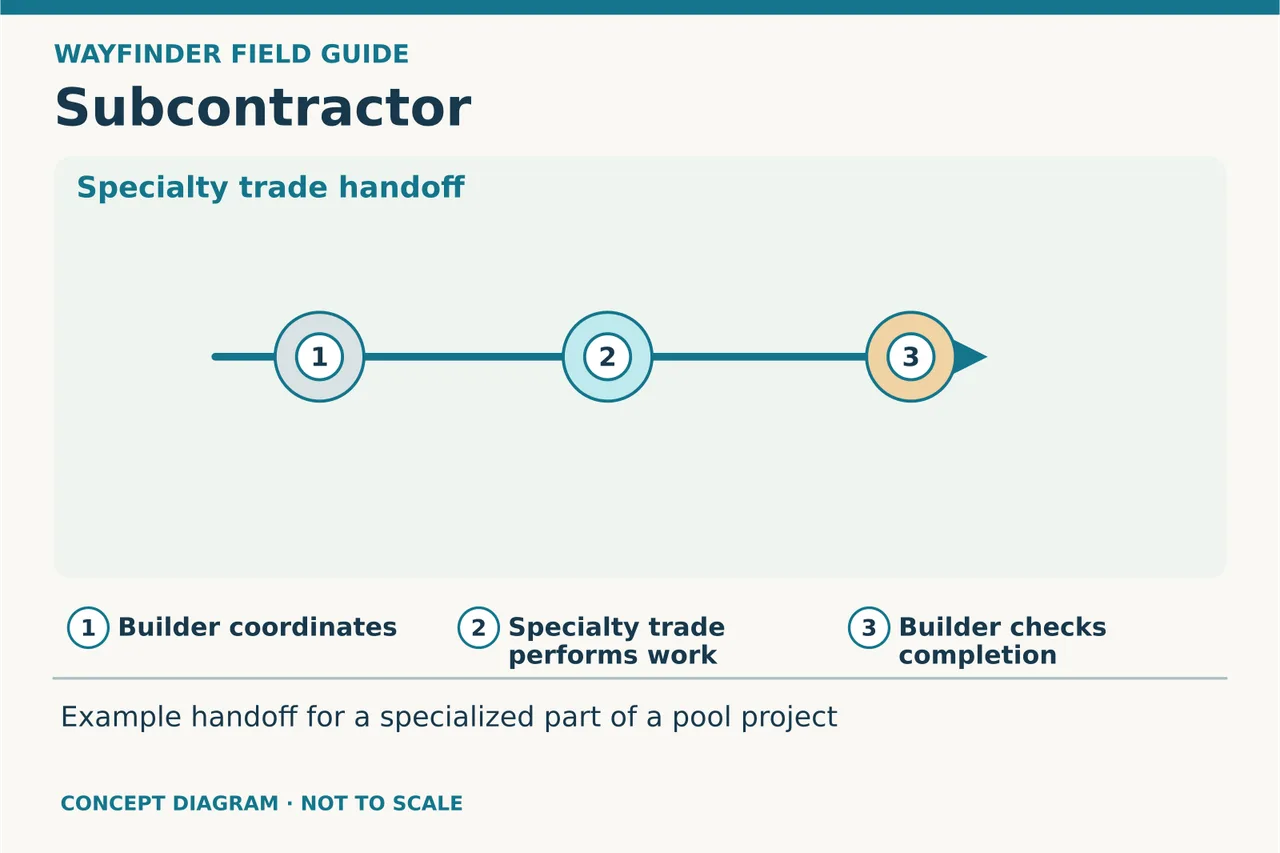
A specialized trade company hired by the builder to perform a specific part of the work.
Why It Matters
Pool builders often coordinate excavation, plumbing, electrical, decking, and other specialty trades.
Equipment & Systems
A vessel or basin that temporarily holds displaced water from an overflow or vanishing-edge pool.
Why It Matters
It is part of the hydraulic system and must be properly sized and controlled.
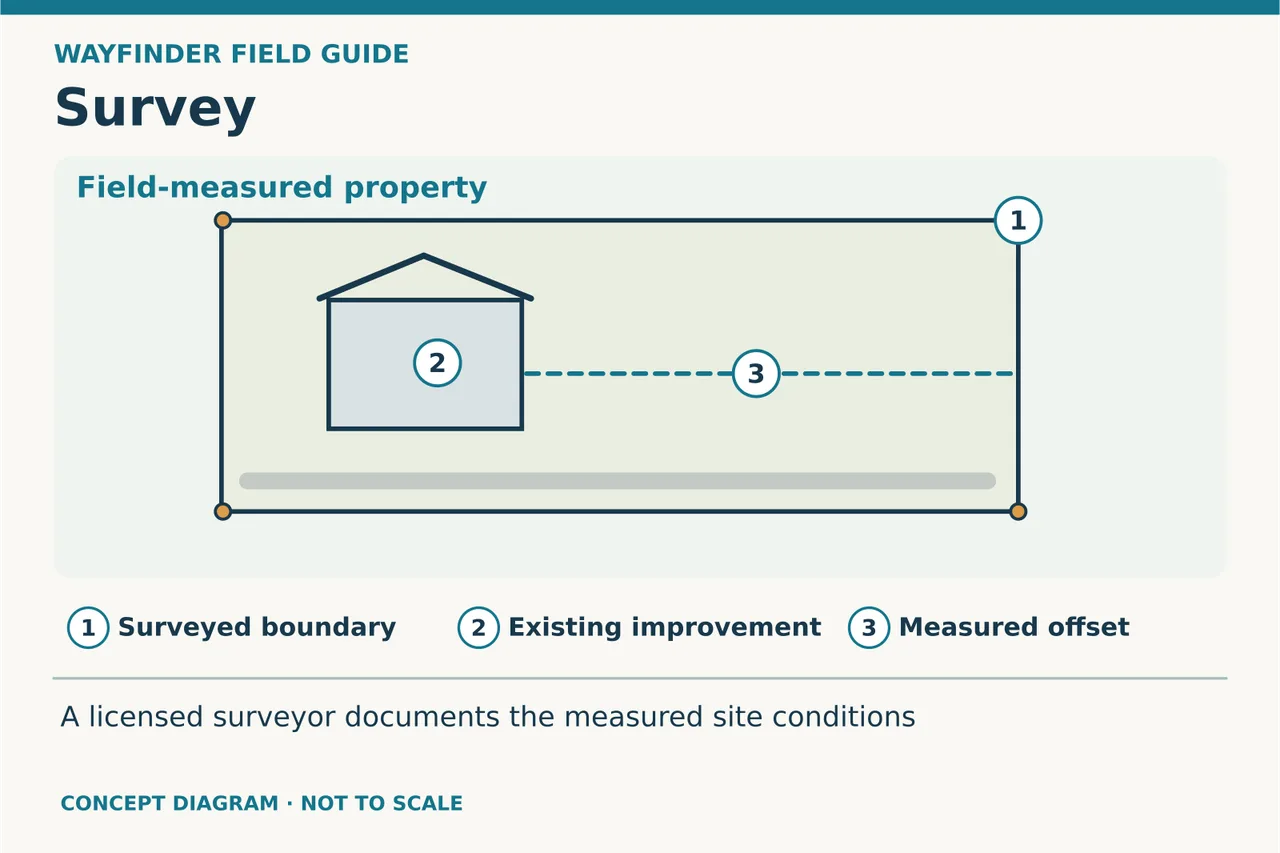
A field-measured drawing prepared by a licensed land surveyor that identifies property boundaries and may show existing improvements, easements, topography, trees, utilities, or other site conditions depending on the type and scope of survey.
Why It Matters
For pool planning, a current survey gives us a more precise basis for locating the house, property lines, easements, and other existing conditions. Unlike a plat, which primarily records the legal division of land, a survey is based on measurements of the actual property and can show current site conditions.
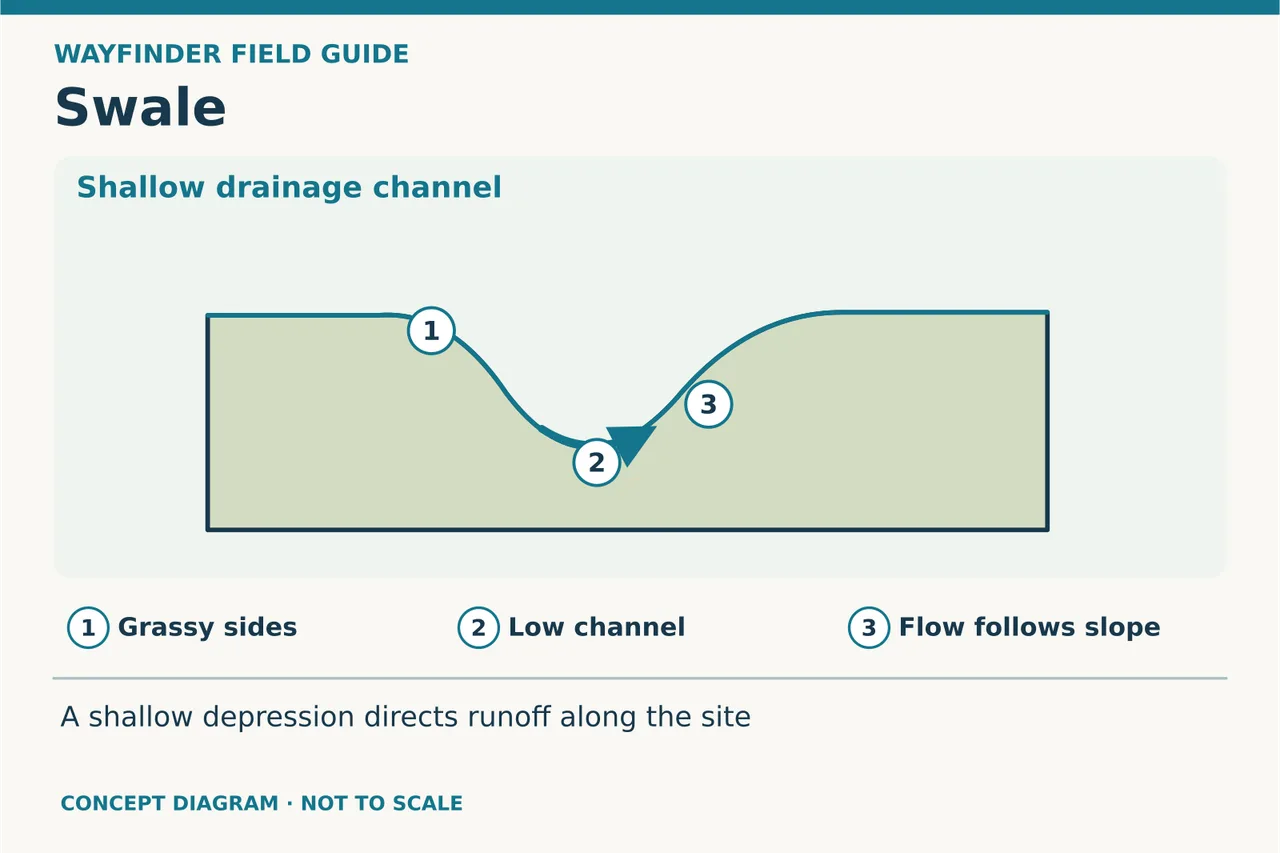
A shallow, sloped depression in the ground designed to collect and carry surface water toward a safe drainage location.
Why It Matters
Existing or proposed swales can affect pool, patio, wall, and landscape placement because drainage paths should not be blocked or redirected improperly.
A shallow platform built into the pool for lounging, chairs, young children, or bubblers.
Why It Matters
These names often refer to the same general feature, although dimensions vary by builder.
Design & Features
Tile installed around the pool at the normal waterline.
Why It Matters
It protects the finish at the waterline and creates an important decorative transition below the coping.
Construction & Materials
A natural limestone used for paving; finish, porosity and installation affect performance.
Why It Matters
Each option affects appearance, traction, heat, drainage, upkeep and budget.
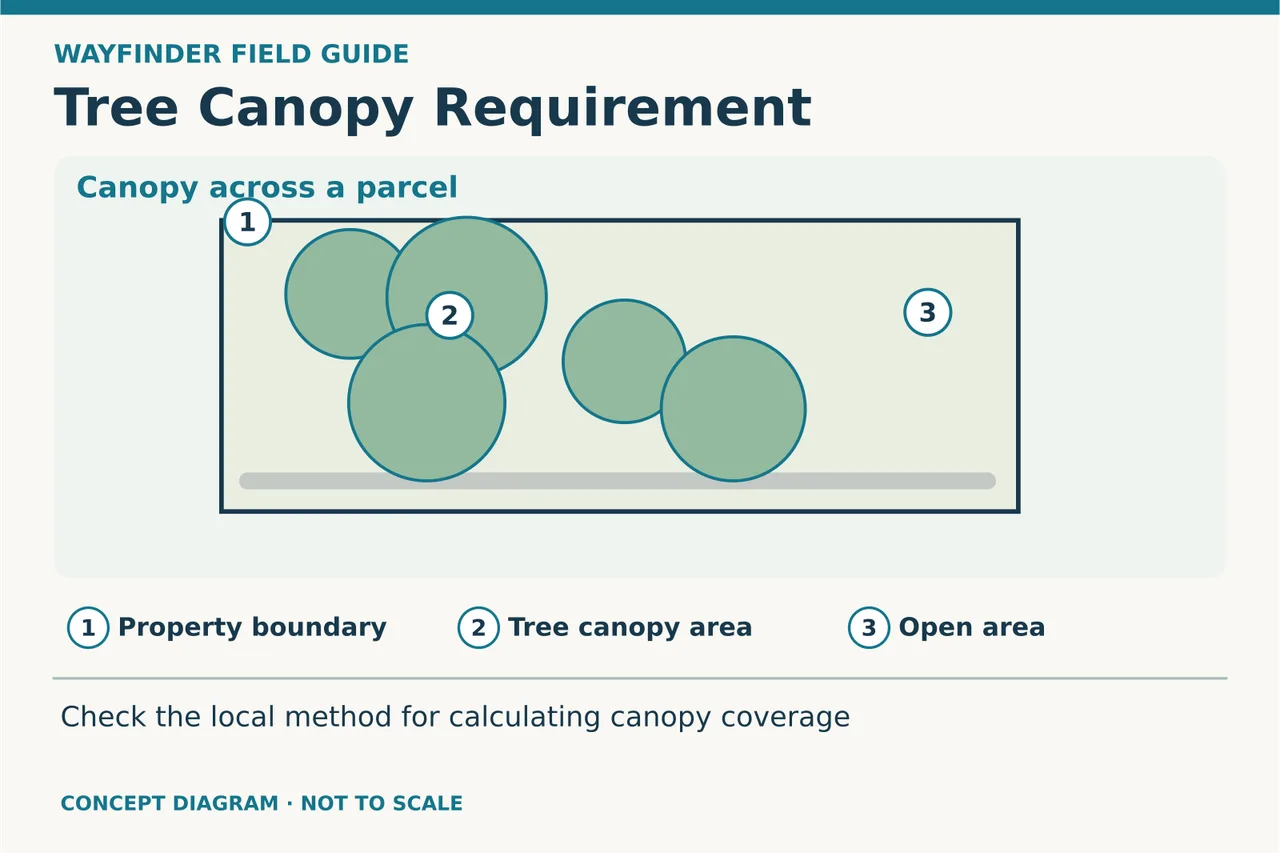
A local requirement that a property retain or provide a minimum amount of tree canopy, often measured as a percentage of the lot or by another jurisdiction-specific standard.
Why It Matters
Removing trees for a pool or outdoor project may affect whether the property continues to meet the required canopy standard and can lead to additional tree-preservation or replanting requirements.
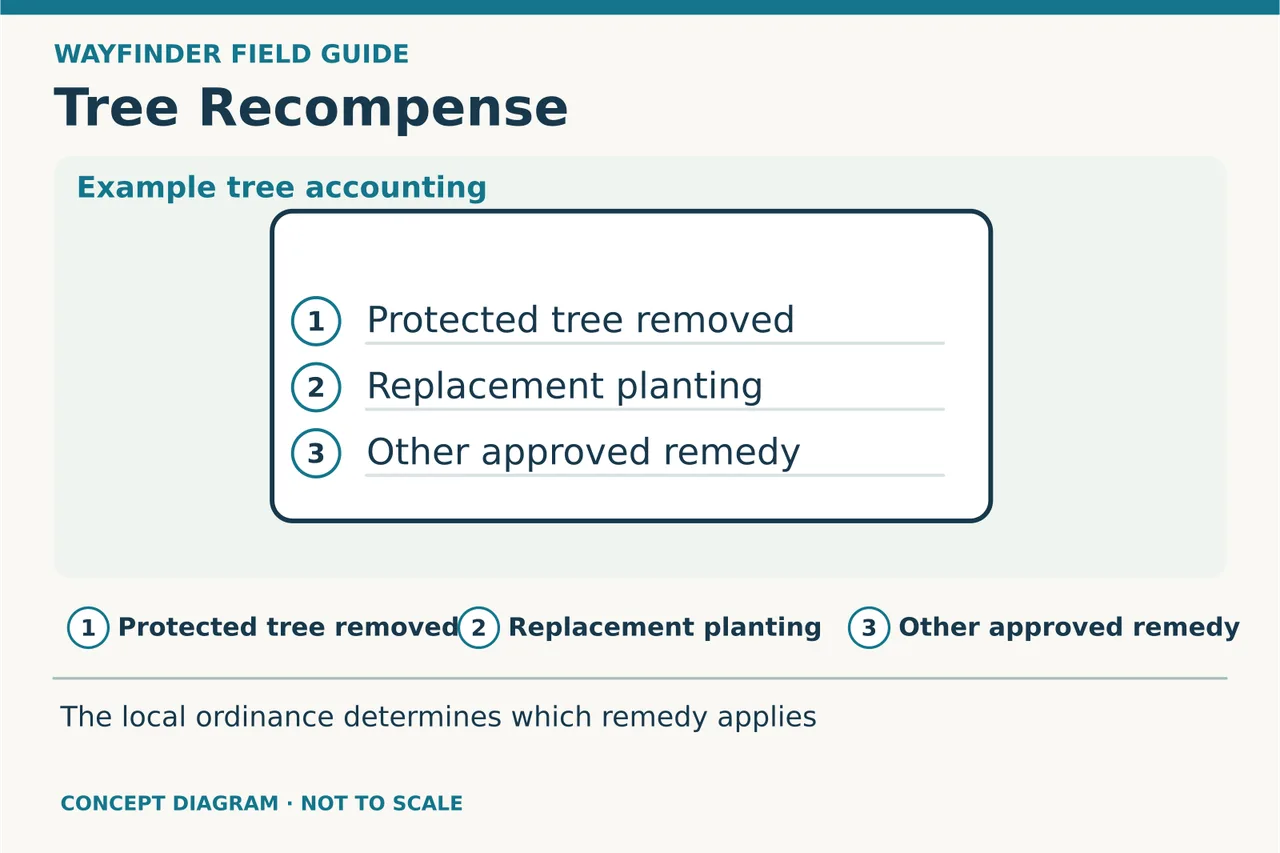
A requirement to compensate for protected trees that are removed or significantly impacted, typically through replacement planting, payment into a tree fund, or another method established by the local jurisdiction.
Why It Matters
Tree recompense can add cost, planting requirements, and design constraints to a project, especially on heavily wooded properties or where large protected trees are affected.
Equipment & Systems
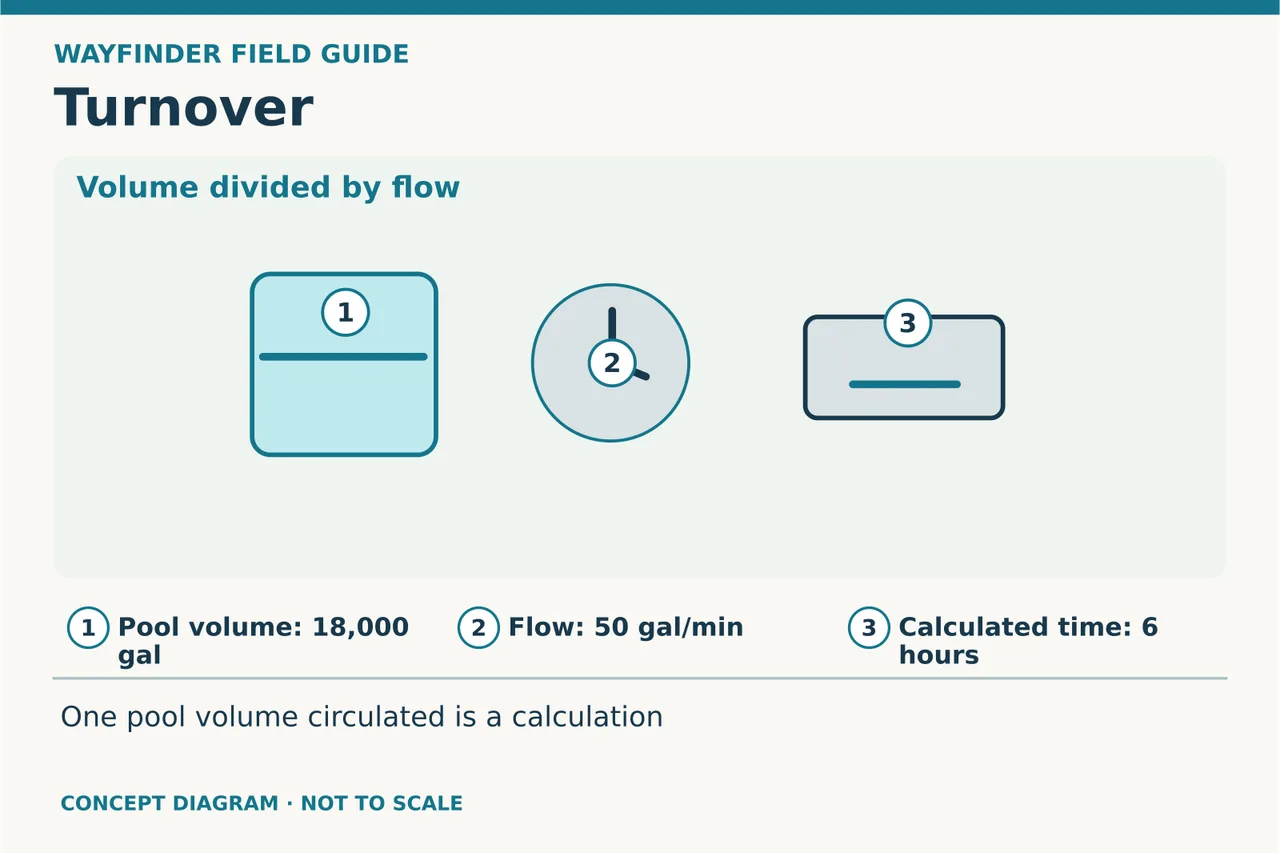
A calculated time or rate describing how long it would take the circulation system to move a volume of water equal to the pool’s volume.
Why It Matters
It is a planning concept, not a guarantee that every molecule of water has passed through the filter.
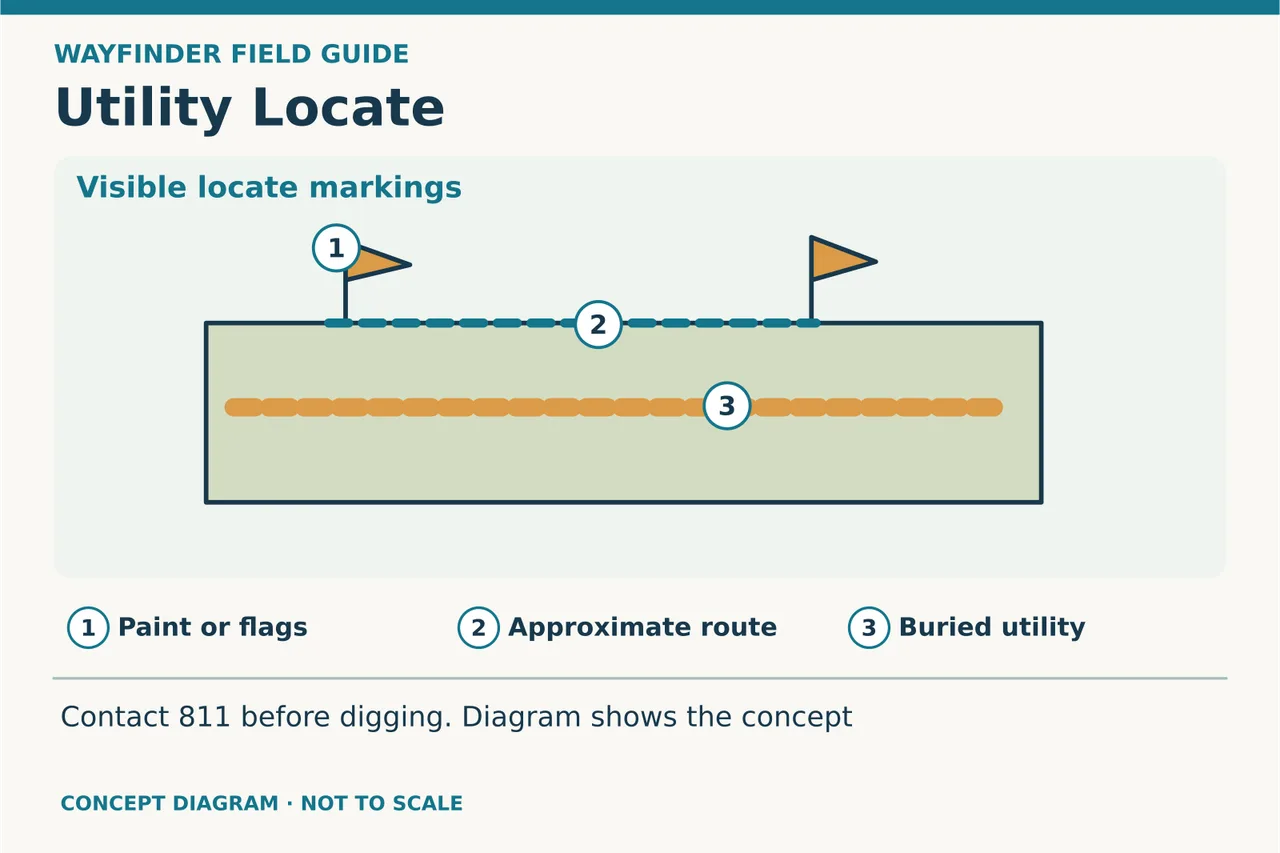
The process of identifying underground utilities before excavation. 811 is a nation-wide "call before you dig" number. We call 811 as part of our pre-construction phase.
Why It Matters
Public utility marking may not identify private irrigation, lighting, or privately installed lines.
A pool edge where water spills into a lower catch basin to create a disappearing-edge effect.
Why It Matters
It requires additional structure, hydraulics, a collection basin, and careful elevation design.
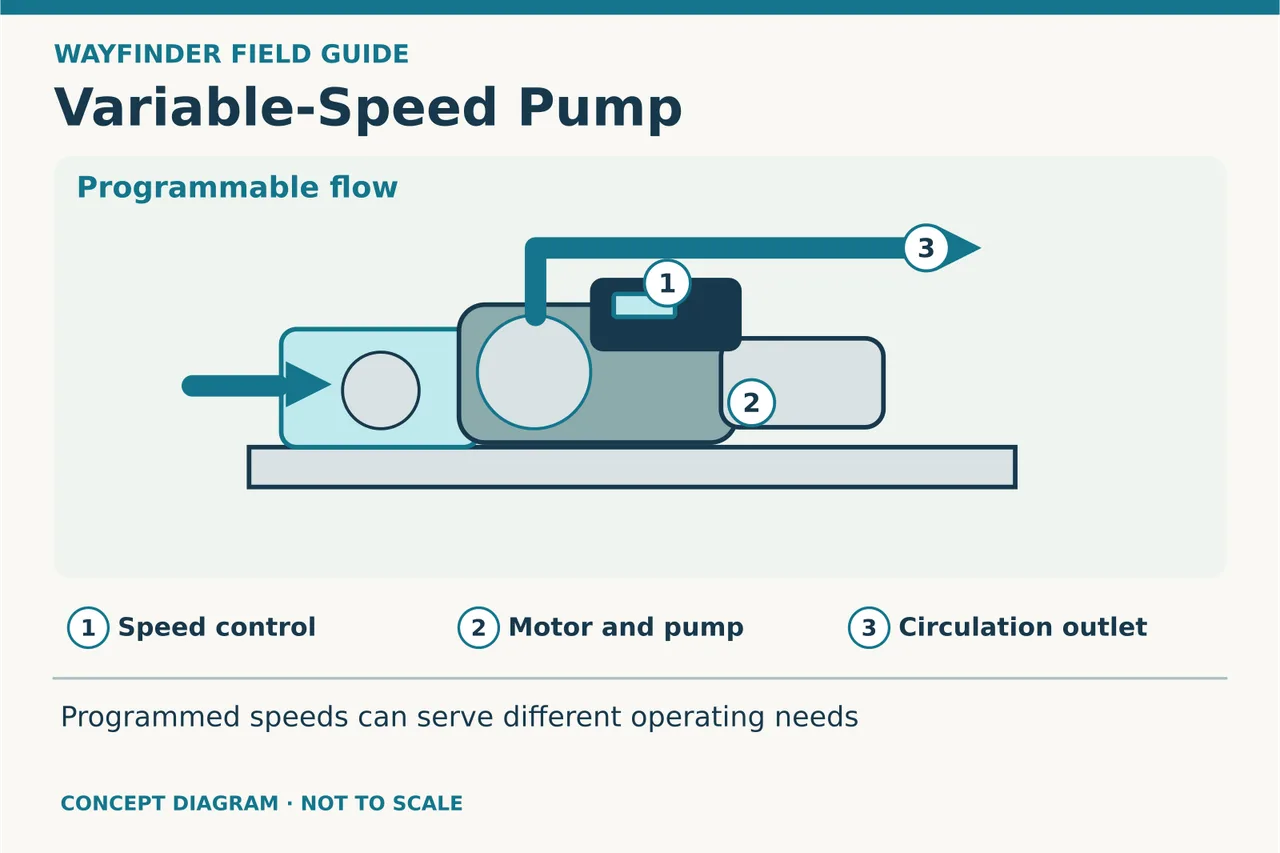
A pump that can operate at multiple programmed speeds instead of simply on or off.
Why It Matters
Lower speeds can save energy during normal circulation, while higher speeds can power spas or features.
Costs & Contracts
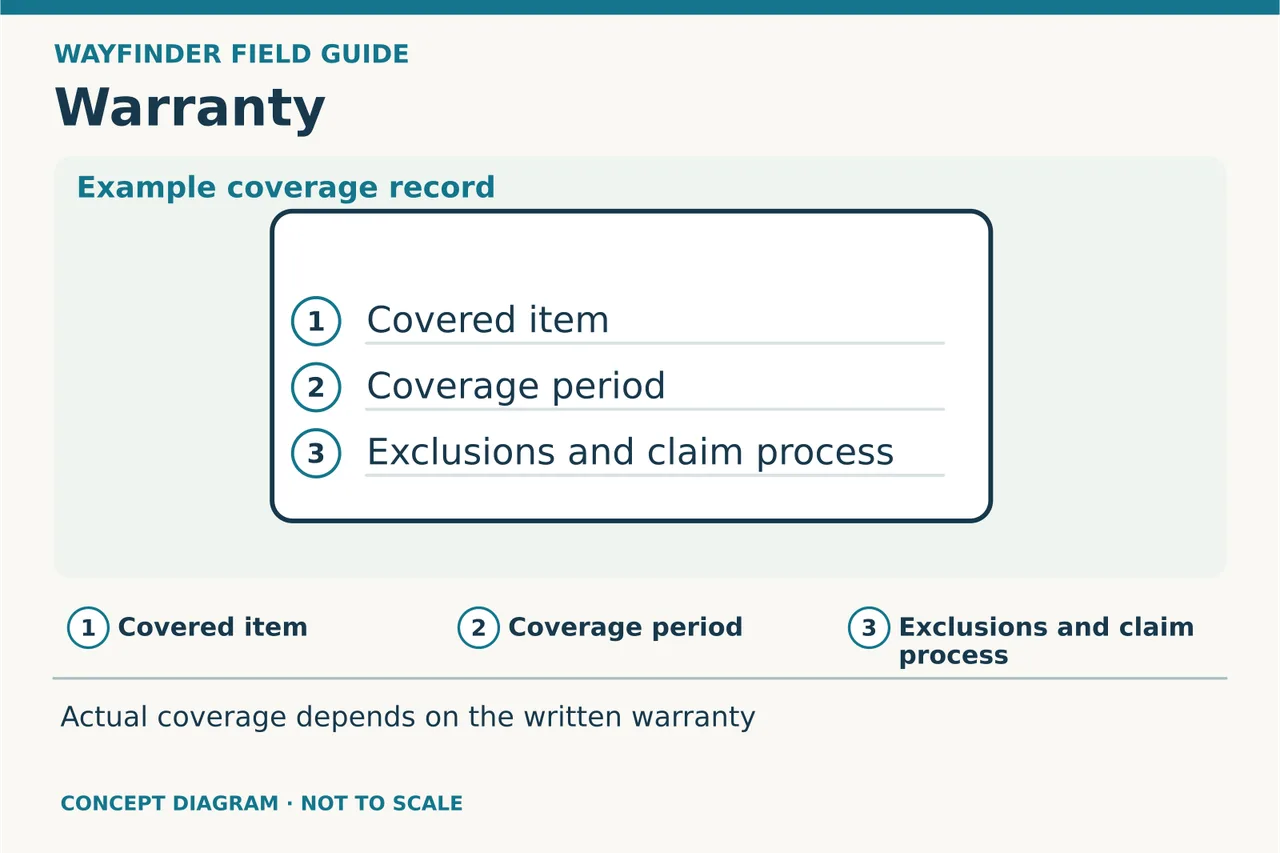
A written promise covering specified workmanship, equipment, materials, or finishes for a defined period.
Why It Matters
Different parts of a pool may have separate builder, manufacturer, and installer warranties. Hearthstone offers a lifetime structural warranty on the shell for the original owner. It assures that the shell will remain watertight assuming the owner follows recommended guidelines. Mechanical warranties are typically 3 years and workmanship on finish materials is warranted for at least 1 year.
Design & Features
A decorative moving-water element such as a sheer descent, scupper, deck jet, bubbler, waterfall, or spillway.
Why It Matters
Different features have very different flow, plumbing, pump, sound, and maintenance needs.
Design & Features
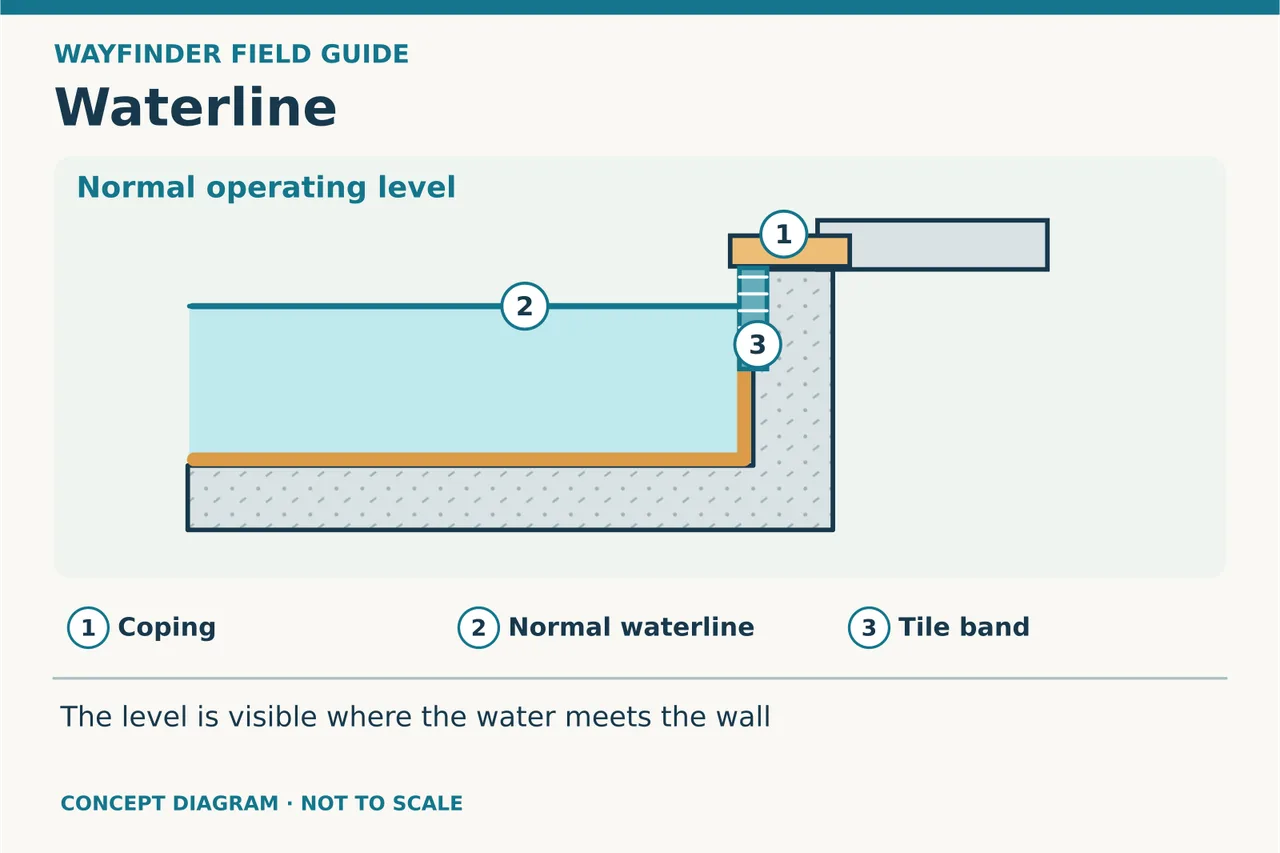
The normal operating height of water in the pool.
Why It Matters
It is influenced by skimmers, overflow details, autofill, and the pool edge design.
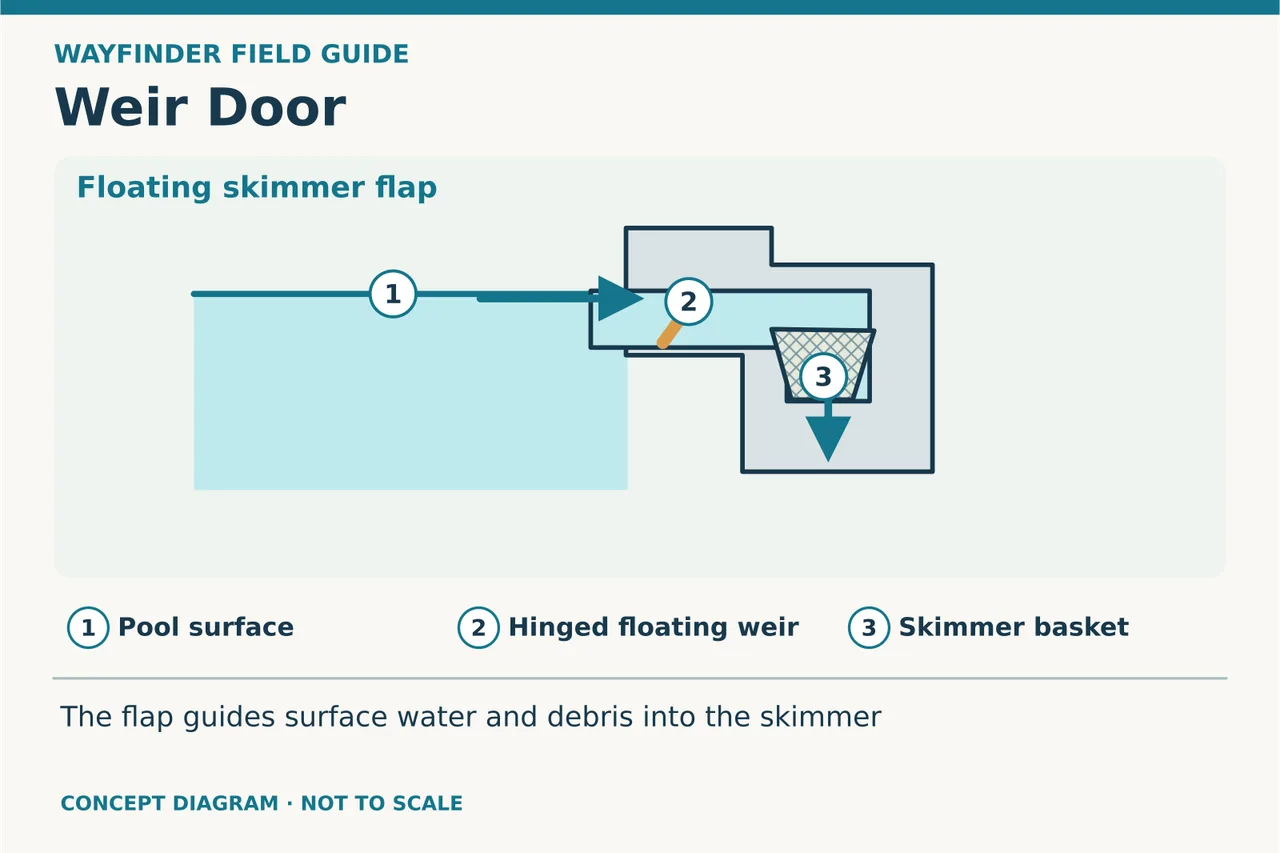
The small hinged flap at a skimmer opening that helps pull surface water and floating debris into the skimmer.
Why It Matters
A missing or stuck weir can make surface skimming less effective.
Try a different word, category, or first letter.
96 terms in this view
Alkalinity A measure of the water’s ability to resist changes in pH.
Allowance A budgeted amount included in a proposal for an item that has not been finally selected.
Autofill A device that automatically adds water when the pool level drops.
Automatic Cover A motorized cover that opens and closes over the pool.
Automation A control system for pumps, lights, heaters, water features, and other pool equipment.
Backwash The process of reversing water flow through certain filters to flush out trapped debris.
Bench A built-in underwater sitting ledge along a pool wall or in a spa area.
Berm A raised mound or ridge of soil used to shape the landscape, screen views, or help redirect…
Bond Beam The reinforced upper portion of a concrete pool shell near the top of the walls.
Bonding The electrical connection of metal components around a pool so they remain at the same electrical…
Bubbler A low fountain that pushes water upward, often from a tanning ledge / sun shelf.
Cantilever Coping A coping detail where the deck material extends over the pool shell to form the edge.
Cartridge Filter A filter that uses removable pleated cartridges to trap debris.
Change Order A written change to the agreed project scope, price, materials, or schedule after contract signing.
Check Valve A one-way valve that allows water to move in only one direction.
Chlorine A sanitizer used to control bacteria and algae in pool water.
Circulation The movement of pool water through suction points, equipment, and back through the returns.
Coping The finished cap installed along the top edge of the pool shell.
Cure Time The period in which concrete or cement-based materials gain strength after installation.
Cyanuric Acid (CYA) A stabilizer that helps protect chlorine from being broken down by sunlight.
DE Filter A filter that uses diatomaceous earth powder to capture very fine particles.
Deck Drain A drain or channel installed in or around the pool deck to collect surface water.
Door Alarm An alarm installed on a door or window that provides direct access to the pool area and sounds…
Easement A legal area on a property reserved for access or use by a utility, municipality, neighbor, or…
Equipment Pad The area where pumps, filters, heaters, automation, sanitizers, and related equipment are installed.
Excavation The process of digging the pool and related structures to the planned shape and elevation.
Expansion Joint A flexible separation between materials that allows them to move independently.
Filter The component that removes suspended debris from circulating pool water.
Final Grade The finished shape and elevation of the ground after construction and landscaping.
Fire Feature A built-in fire element such as a fire bowl, fire pit, linear burner, or fireplace.
Freeboard The vertical distance between the normal water level and the top edge of the pool.
GPM (Gallons Per Minute) A measure of how much water moves through a pipe or piece of equipment each minute.
Grotto A cave-like structure incorporated into a pool, often built with natural or simulated rock and…
Gunite A method of applying concrete pneumatically using a dry mix with water added at the nozzle.
Heat Pump A heater that transfers heat from the surrounding air into the pool water.
Heater Equipment used to raise pool or spa water temperature.
Hydrostatic Relief Valve A valve or fitting designed to reduce damaging groundwater pressure beneath an empty or partially…
In-Floor Cleaning System A pool-cleaning system that uses pop-up nozzles installed in the floor, steps, or benches to…
Interior Finish The final waterproof and decorative surface applied inside a concrete pool. Common interior…
Lot Coverage / Maximum Lot Coverage A zoning limit on how much of a property may be covered by buildings and other improvements. The…
Main Drain / Suction Outlet A submerged suction fitting, usually in the pool floor or lower wall, that draws water toward the…
Mastic / Sealant Joint A flexible sealant used in joints around coping, decking, or transitions.
Overflow Line A pipe that allows excess pool water to discharge when the water level gets too high.
Pebble / Exposed-Aggregate Finish An interior finish that exposes small aggregate or pebbles within a cement-based surface.
Permit Official approval from a local authority allowing specified construction work to proceed.
pH A scale that indicates how acidic or basic the pool water is.
Plaster A traditional cement-based interior finish used on concrete pools.
Plat A recorded map that shows how land is legally divided into lots, streets, easements, and other…
Pressure Test A test that places plumbing lines under pressure to check for leaks before they are buried or…
Pump The motor-driven equipment that moves water through the pool circulation system.
Punch List A list of incomplete or corrective items identified near the end of a project.
Raised Beam / Raised Wall A portion of the pool wall that extends above the normal deck elevation.
Raised Spa A spa constructed above the pool water level, often with a spillway into the pool.
Rebar / Reinforcing Steel Steel bars installed inside the pool shell and concrete structures to reinforce them.
Retaining Wall A wall designed to hold back soil where ground elevations change.
Return A fitting that sends filtered and treated water back into the pool.
Saltwater Chlorine Generator A system that uses dissolved salt and an electrolytic cell to generate chlorine.
Scope of Work The written description of what the builder is and is not including in the project.
Scupper A wall-mounted outlet or spout that sends a stream or sheet of water into the pool or spa.
Setback A required minimum distance between a pool or structure and a property line, building, septic…
Sheer Waterfall A water feature that sends a smooth sheet of water from a narrow horizontal opening, commonly…
Shotcrete Wet-mixed concrete that is pneumatically sprayed through a hose onto the pool’s reinforcing steel…
Site Access The path and working space available for excavation equipment, trucks, deliveries, and crews to…
Site Plan A drawing that shows the proposed project in relation to property lines, the house, setbacks…
Skimmer A fitting at the waterline that pulls surface water into the circulation system and catches…
Spa Spillway The opening or edge where water from a raised spa flows into the pool.
Stream Buffer A protected area beside a stream where land disturbance is restricted. Georgia generally requires…
Subcontractor A specialized trade company hired by the builder to perform a specific part of the work.
Surge Tank / Catch Basin A vessel or basin that temporarily holds displaced water from an overflow or vanishing-edge pool.
Survey A field-measured drawing prepared by a licensed land surveyor that identifies property boundaries…
Swale A shallow, sloped depression in the ground designed to collect and carry surface water toward a…
Tanning Ledge / Sun Shelf A shallow platform built into the pool for lounging, chairs, young children, or bubblers.
Tile Line / Waterline Tile Tile installed around the pool at the normal waterline.
Tree Canopy Requirement A local requirement that a property retain or provide a minimum amount of tree canopy, often…
Tree Recompense A requirement to compensate for protected trees that are removed or significantly impacted…
Turnover A calculated time or rate describing how long it would take the circulation system to move a…
Utility Locate The process of identifying underground utilities before excavation. 811 is a nation-wide "call…
Vanishing Edge A pool edge where water spills into a lower catch basin to create a disappearing-edge effect.
Variable-Speed Pump A pump that can operate at multiple programmed speeds instead of simply on or off.
Warranty A written promise covering specified workmanship, equipment, materials, or finishes for a defined…
Water Feature A decorative moving-water element such as a sheer descent, scupper, deck jet, bubbler, waterfall…
Waterline The normal operating height of water in the pool.
Weir Door The small hinged flap at a skimmer opening that helps pull surface water and floating debris into…